AV Fistula Surgery
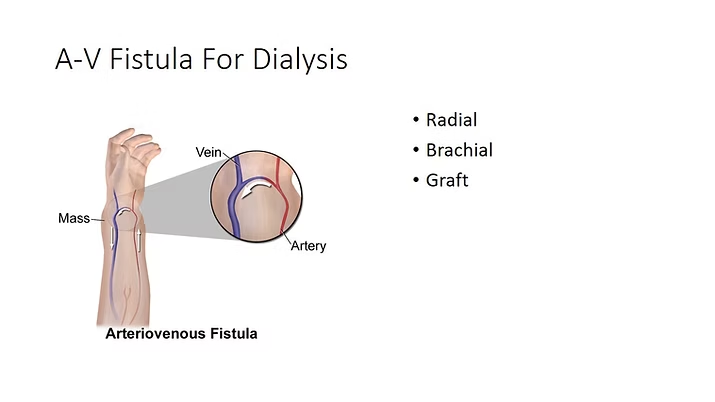
Understanding AV Fistula Surgery
An AV fistula is a surgical connection created between an artery and vein in your arm, establishing a reliable access point for dialysis treatment. Dialysis is a life-sustaining procedure for patients with kidney failure that removes excess fluids and waste products from the bloodstream when the kidneys can no longer perform this function adequately.
Why Is an AV Fistula Necessary?
If you’re living with chronic kidney disease and require regular dialysis, an AV fistula provides the optimal method for accessing your bloodstream during treatment sessions. Compared to other access methods, an AV fistula offers superior blood flow rates and carries significantly lower risks of infection or blood clot formation, making it the gold standard for long-term dialysis access.
Common Questions About AV Fistula Surgery
What occurs during AV fistula surgery?
During the procedure, your surgeon creates a small incision in your arm to access an artery and nearby vein. These two blood vessels are then surgically connected, either directly or using a small synthetic tube called a graft. This connection redirects blood flow from the artery into the vein, causing the vein to enlarge and strengthen over time, making it suitable for repeated dialysis needle access.
What is the typical duration of the surgery?
The surgical procedure generally takes approximately two to three hours to complete.
Will I be unconscious during the procedure?
Yes, general anesthesia will be administered, ensuring you remain comfortably asleep throughout the entire surgical procedure.
What risks are associated with AV fistula surgery?
As with any surgical procedure, AV fistula creation carries certain risks, including:
- Surgical site infection
- Bleeding complications
- Blood clot formation
- Nerve injury
- Graft-related complications
Your surgeon will thoroughly discuss these potential risks with you beforehand and explain the measures taken to minimize them during your procedure.
What should I expect after the surgery?
Following surgery, you’ll be transferred to a recovery area where medical staff will closely monitor your vital signs. Some discomfort and swelling around the incision site is normal and typically resolves within several days. Pain medication will be provided to manage any discomfort.
Maintaining a clean, dry incision site is essential to prevent infection. Your surgeon will provide detailed care instructions for proper wound management at home.
When can I begin using my fistula for dialysis?
An AV fistula typically requires four to six weeks to mature sufficiently for dialysis use. During this maturation period, your doctor will monitor the fistula’s development through regular examinations and inform you when it’s ready for use.
Will I need to modify my lifestyle after surgery?
For the initial few weeks post-surgery, you’ll need to avoid heavy lifting and strenuous activities to allow proper healing of the incision site. Once your fistula has fully matured, you can gradually return to your regular activities.
Dietary modifications may be recommended to help manage your kidney disease effectively. Your doctor or dietitian will provide personalized guidance on appropriate food choices and foods to limit.
What advantages does an AV fistula offer?
AV fistula surgery represents the preferred dialysis access method due to several significant advantages:
- Delivers superior blood flow rates, enabling more efficient dialysis treatments with shorter session times
- Substantially reduces infection and blood clot risks compared to alternative access methods
- Offers greater durability with reduced need for repairs or replacement procedures
Are there alternatives to having an AV fistula?
For patients with kidney disease requiring dialysis, an AV fistula represents the optimal access method. Alternative access options, such as central venous catheters or synthetic grafts, carry significantly higher risks of infection and blood clot complications, making them less desirable for long-term use.
What is the expected lifespan of an AV fistula?
With appropriate care and maintenance, an AV fistula can function effectively for many years. However, over time, its effectiveness may diminish, potentially requiring repair or replacement to maintain adequate dialysis access.