
Erectile dysfunction, or the persistent inability to achieve or maintain an erection sufficient for satisfactory sexual activity, is one of the most under-discussed and under-treated conditions in men’s health, yet it affects millions of men worldwide. Many men live with severe ED for years, quietly withdrawing from intimate relationships, losing confidence, and accepting a diminished quality of life not knowing that a permanent, highly effective solution is available. If you’re a man who’s tried medications, injections and vacuum devices – or you just want a permanent, spontaneous fix that doesn’t rely on pills or needles – penile implant surgery is the answer. Inflatable penile implants have a 40-year track record of success, with patient satisfaction rates of 92 to 98 percent, and are considered the gold standard treatment for severe, treatment-resistant erectile dysfunction. They regain not just sexual function but sexual spontaneity, relationship quality and personal confidence in a way that no other treatment can.
Penile Implant Surgery – Also known as penile prosthesis surgery, penile implant surgery involves inserting a device into the penis. This device enables a man with erectile dysfunction to get an erection whenever he wants. The implant consists of a pair of cylinders that are inserted in the two erectile chambers of the penis (the corpora cavernosa) . It also includes a pump mechanism, and in the case of the three-piece implant, a fluid reservoir is placed in the lower abdomen. The entire device is totally hidden inside the body; there is nothing to see from the outside, not even when it is flaccid or when it is switched on.
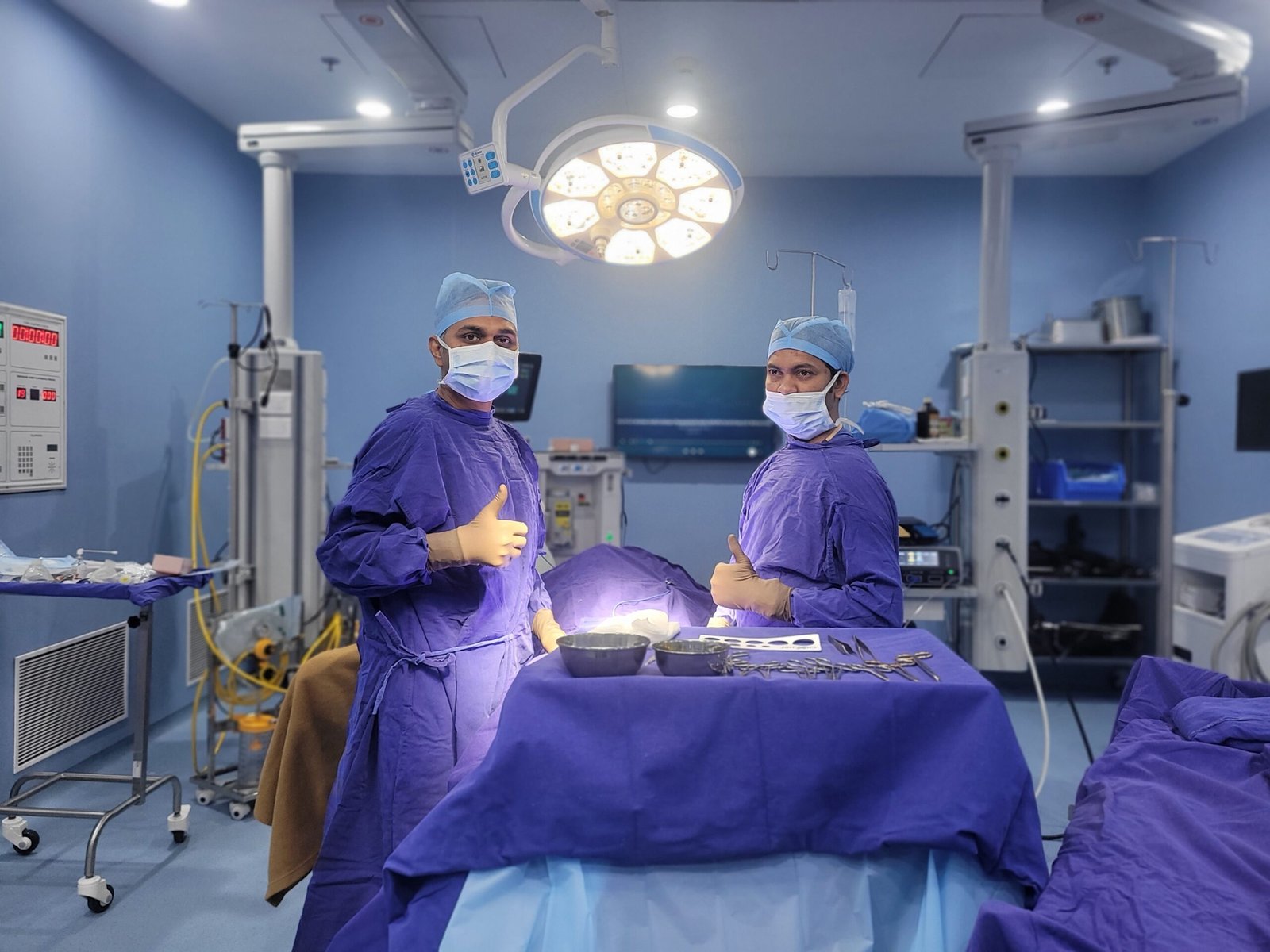
The procedure is done under general or spinal anesthesia through a small incision at the base of the penis or between the scrotum and the penis (penoscrotal or subcoronal approach). The implant cylinders are precisely sized to the anatomy of the individual patient . The natural erectile tissue within the corpora cavernosa is expanded to accept the implant cylinders . The operation usually lasts from 60 to 90 minutes. Most patients are able to go home within 24 to 48 hours.
Penile implant surgery does not alter sensation, orgasm or ejaculation. The nerves and structures that give you pleasure and fertility are left entirely alone. What the implant offers is the structural rigidity on demand — the mechanical ability to have an erection whenever one wants, reliably, forever, without drugs or external devices. This is a fundamentally transformative restoration of function and quality of life for men who have not had satisfactory intercourse despite trying other treatments.
Penile implants have been used successfully since the early 1970’s and have one of the longest and best documented outcome records of any prosthetic device in urology. Today’s three-piece inflatable implants are mechanically advanced, biologically safe and are designed to last 15 to 20 years or longer. The published literature consistently reports patient and partner satisfaction rates of 92-98 percent, among the highest of any surgical intervention in urology.
Erectile dysfunction (ED) is the consistent inability to achieve and/or maintain an erection sufficient for satisfactory sexual intercourse. It is normal to have occasional difficulty with erections and this is not classified as ED, it is the persistent, recurring pattern that constitutes the clinical condition. ED is not a disease unto itself but a symptom of something else going on physically or psychologically – often both. Knowing the cause of ED is important to select the best treatment. Surgery with a penile implant is for men where the cause can’t be reversed and other treatments have not been successful.
Vascular Causes – Poor Blood Flow to the Penis
Arteriogenic ED, or atherosclerosis of the penile arteries, is the main reason for ED in men over age 40, or venogenic or cavernous leak ED, where the venous system malfunctions and does not trap enough blood in the erectile chambers. The same arterial disease that causes coronary artery disease and peripheral vascular disease also affects the small arteries of the penis, resulting in a reduction in the blood flow necessary for an erection. Venous Leak is another important vascular mechanism. In this case blood enters the erectile chambers but flows out too fast to maintain an erection. Both conditions cause erections that are not hard enough or the inability to keep an erection. Smoking, hypertension, high cholesterol, obesity and diabetes are vascular risk factors for ED.
Neurological Causes – Nerve Damage After Surgery or Injury
Normal erectile function requires that there be an intact neural system from the brain to the penile nerves and the smooth muscle in the corpora cavernosa of the penis. Any trauma or disease that damages this pathway can cause neurogenic ED. Radical prostatectomy for prostate cancer is the most important cause clinically, because the cavernous nerves that mediate erection lie in close anatomic relation to the prostate and may be injured during the operation. Even with nerve-sparing surgical technique, a significant proportion of men experience ED after radical prostatectomy — anywhere from 25 to 75 percent, depending on the age of the patient, pre-operative function and surgical approach. Other important neurologic causes of ED include spinal cord injury , multiple sclerosis , Parkinson’s disease , stroke and pelvic fracture .
Hormonal Causes – Low Testosterone & Hormonal Imbalance
Testosterone is the primary male sex hormone and is important for sexual desire (libido), erectile function, and sexual health in general. Low testosterone (hypogonadism) can cause decreased sexual desire and can impair erectile function, although it is more likely to affect libido than the mechanical ability to get an erection. Testosterone replacement therapy can have a marked effect on sexual function in true hypogonadal men and should always be considered for hormonal causes of ED prior to any other treatment being initiated. Other hormonal abnormalities – hyperprolactinaemia (raised prolactin), thyroid disease and adrenal insufficiency – can also contribute to ED and should be excluded by appropriate blood testing.
Diabetes Related Erectile Dysfunction
Erectile dysfunction is very common in men with diabetes – up to 75% of diabetic men will experience ED in their lifetime, with onset 10 to 15 years earlier than in men without diabetes, and greater severity. Diabetes damages the vascular supply to the penis (microangiopathy and macroangiopathy) and the neural pathways mediating erection (autonomic neuropathy) causing a combined vasculogenic-neurogenic ED that is notoriously resistant to treatment with oral medications. Response rates to PDE5 inhibitors (Viagra, Cialis) are substantially lower in diabetic men than in the general ED population, and diabetic men are over-represented among candidates for penile implants. In men with severe ED, particularly those with diabetes, a penile implant is often the only treatment that offers a reliable return to satisfactory sexual function.
Peyronie’s Disease & Penile Fibrosis Causing ED
Peyronie’s disease is a condition in which fibrous scar tissue (plaque) develops in the erectile chambers of the penis causing penile curvature, pain on erection and, in more advanced cases, severe erectile dysfunction. The plaque makes the affected side of the penis less compliant and less expandable, causing the erect penis to bend toward the plaque. Severe Peyronie’s disease typically causes curvatures of 60 degrees or more, which can make intercourse painful or impossible for both partners. For those with significant erectile dysfunction and curvature – 30 to 50 percent of Peyronie’s cases – the best combined solution is a penile implant that straightens the penis and provides rigidity, often giving better results than either surgery alone.
Psychological Causes – Anxiety, Depression & Performance Fear
Psychological factors are involved in the etiology of ED in a large percentage of men, either as the primary cause (especially in younger men without organic disease) or as a secondary contributor to the development of an organic etiology. Performance anxiety—the fear of losing or not getting an erection—creates a self-reinforcing cycle: anxiety causes erection problems, the failed erection causes greater anxiety, which causes more erection problems. Psychogenic ED is contributed to by depression, conflict in relationships, unresolved trauma and low self-esteem. Psychological ED responds well to cognitive-behavioural therapy, sex therapy and counselling. Men with a significant psychological component to their ED who are considering penile implant surgery should have pre-operative psychological assessment and ideally partner counselling to ensure that the underlying psychological factors are identified and addressed as part of a comprehensive treatment plan.
Penile implant surgery is the gold standard treatment for erectile dysfunction – but it is specifically indicated for men who have failed or are unsuitable to less invasive treatments. The decision to proceed with penile implant surgery should always be preceded by a full evaluation and true informed consent including a complete understanding of what the implant does, what it does not do and the realistic expectations for the procedure.
Treatment | How It Works | Limitation | When It Fails |
PDE5 Inhibitors | Increase blood flow by relaxing penile arteries | Require sexual stimulation; don’t work in severe vascular ED; side effects | ~30–40% of men with diabetes or post-prostatectomy do not respond |
Penile Injections | Vasodilator injected directly into penis | Needle-based; requires perfect technique; painful for some | Reduced response over time; compliance poor long-term |
Vacuum Erection | External vacuum draws blood into penis; ring maintains erection | Clumsy; erection pivots at base; reduced sensation reported | Awkward use; not spontaneous; partners find it disruptive |
Intraurethral | Alprostadil pellet inserted into urethra | Burning sensation common; unreliable rigidity | Low satisfaction; many discontinue within months |
Penile Implant | Surgically implanted cylinders provide on-demand rigidity | Irreversible; surgical risks | Highest satisfaction — chosen when all others fail |
Patients Who Failed Oral Medications (PDE5 Inhibitors)
For most men with ED, the first-line treatment is with PDE5 inhibitors: sildenafil (Viagra), tadalafil (Cialis), vardenafil (Levitra) and avanafil. These drugs work in about 60 to 70 percent of the general ED population. But for the 30 to 40 percent who do not respond, or for whom they are contraindicated because of cardiac medications (especially nitrates), a second-line therapy is needed. Men who have had an adequate trial of PDE5 inhibitors at the maximum recommended dose in the presence of sexual stimulation and have not achieved satisfactory erections are appropriate candidates for progression to injection therapy or, if injections also fail or are not acceptable, penile implant evaluation.
Patients Who Failed Injections & Vacuum Devices
Intracavernosal injection therapy (ICI) is a much more effective treatment for ED than the use of PDE5 inhibitors . Alprostadil is injected directly into the penis and can cause an erection in 80% of men who have failed to achieve adequate erections using PDE5 inhibitors . Long-term compliance with injection therapy, however, is poor. Surveys consistently indicate that 50 to 70 percent of men instructed in self-injection discontinue within one to two years because of inconvenience, needle aversion, pain, or diminished response over time. Men who have tried and failed injections are good candidates for penile implant evaluation. Vacuum erection devices (VEDs) also have high rates of discontinuation, owing to their unwieldy nature and poor quality of the erection produced.
Diabetic Patients With Severe Vascular ED
As mentioned above, the largest single group of penile implant candidates is men with diabetes, as their ED is severely multifactorial and their response to medical treatment is disproportionately poor. Penile implant surgery is an option for diabetic men with severe vasculogenic-neurogenic ED who have failed PDE5 inhibitors and are not getting satisfactory results with injections, as it is a proven, highly effective treatment. Special attention is given to preoperative optimisation of blood glucose levels in diabetic implant candidates. Good blood sugar control (HbA1c <8 per cent, ideally <7.5 per cent) reduces the risk of post-operative wound infection, which is the most important surgical risk in this group.
Post-Prostatectomy or Post-Pelvic Surgery ED
Post-operative ED in men with prostate cancer who have undergone radical prostatectomy represents an important and growing population of implant candidates. Post-prostatectomy ED can be mild to severe and refractory, especially in older men, men with pre-existing vascular disease and men who had non-nerve sparing surgery. Many men with post-prostatectomy ED do not respond well to PDE5 inhibitors. Injection therapy may result in erections but the compliance issues outlined above are just as relevant in this group. This is especially helpful for men who have undergone prostate surgery. The penile implant can provide reliable, spontaneous erections, allowing you to resume your sexual relationship — an important part of healing after cancer. Similar considerations apply to men with ED following radical cystectomy, pelvic radiotherapy or other major pelvic surgery.
Peyronie’s Disease With Erectile Dysfunction
For men with Peyronie’s disease who also have erectile dysfunction, a penile implant is particularly suited to treat both problems at once. The penile implant corrects the penile curvature (by modelling the effect of inflating and manually straightening the implant cylinders against the Peyronie’s plaque) and provides reliable rigidity for sexual intercourse. This technique, intra-operative modelling or plaque incision and grafting with implantation, avoids the need for two separate surgical procedures and usually provides excellent curvature correction and reliable erectile function. In patients with Peyronie’s, pre-operative assessment of penile length and measurement of curvature should be done carefully because the implant may cause some degree of change in penile length and this should be discussed beforehand.
Patients With Spinal Cord Injury or Neurological ED
Men with spinal cord injury (SCI), multiple sclerosis or other neurological disorders affecting erectile function often have complex, refractory ED that does not respond well to oral medications or injections due to a lack of normal neural signalling to the penile smooth muscle. In such patients erections may be completely absent (areflexic ED in complete lower motor neurone injury) or inconsistent and insufficient for intercourse. Penile implant surgery bypasses the disrupted neural pathway completely, offering mechanical rigidity independent of neural input, and has been shown to greatly improve sexual function and quality of life in appropriately selected SCI patients. Anaesthetic considerations, pressure sore risk, autonomic dysreflexia management and urinary catheter management are some of the areas that require special attention in surgical planning in SCI patients.
Penile implant surgery is an elective irreversible procedure that permanently alters the erectile tissue of the penis. A complete pre-operative evaluation is necessary, not only to confirm the medical indication, but to ascertain that the patient has realistic expectations, is psychologically ready and that the partner has understood and agreed before proceeding.
Hormonal Profile – Testosterone & Other Tests
A complete hormonal profile is obtained prior to penile prosthesis evaluation to exclude reversible hormonal causes of erectile dysfunction. This includes serum total testosterone (preferably in the morning when testosterone levels are highest), free testosterone, sex hormone-binding globulin (SHBG), follicle stimulating hormone (FSH), luteinising hormone (LH), prolactin, and tests of thyroid function. If confirmed, hypogonadism (testosterone deficiency) should be treated with testosterone replacement therapy prior to penile implant surgery. Optimisation of testosterone levels may improve libido, energy and overall sexual experience post-implantation. Hyperprolactinaemia is a common, treatable cause of sexual dysfunction and should be diagnosed and treated before any surgical intervention.
Penile Doppler Ultrasound for Blood Flow Assessment
Dynamic penile Doppler ultrasound, performed after intracavernosal injection of a vasodilator agent, offers an objective measurement of penile arterial blood flow and venous drainage. It records the peak systolic velocity (PSV) and end-diastolic velocity (EDV) of the cavernosal arteries, allowing ED to be classified as arteriogenic (inadequate inflow), venogenic (excessive outflow) or mixed. Doppler findings do not alter the decision to proceed to penile implant surgery but do allow confirmation of the vascular nature of the ED, exclusion of patients who may respond to vascular reconstruction in selected cases and complete characterisation of the ED allowing for counselling. Penile Doppler is also important for penile anatomy assessment, stretched penile length and to identify any Peyronie’s plaques prior to implant sizing.
Nocturnal Penile Tumescence (NPT) Test
Nocturnal penile tumescence (NPT) testing measures erections that occur naturally during REM sleep and is used to differentiate organic ED from psychogenic ED. Men with organic impotence usually do not have erections during sleep. Men with non-organic impotence usually have multiple erections throughout the night. NPT testing is most useful in the setting of an unclear clinical picture, especially in younger men with no clear organic risk factors, or men with an extensive psychological history. It is done with a Rigiscan device which is worn on the penis while sleeping at home for two or three nights. In a man with ED and normal NPT findings, a primary psychogenic cause should be assumed, and psychological or sex therapy should be tried before considering surgery.
Blood Sugar, HbA1c & Cardiovascular Fitness Testing
All penile implant candidates require pre-operative metabolic and cardiovascular assessment for surgical safety and for reduction of infection risk. All patients have fasting blood glucose and HbA1c measured and these should be optimised in diabetic patients prior to surgery. An HbA1c over 8.5 to 9 percent significantly increases the risk of post-operative infection — especially prosthesis infection, the most dreaded complication of penile implant surgery. Assessment of cardiovascular fitness – including resting ECG, echocardiogram in patients with known cardiac disease and cardiology consultation where indicated – ensures that the patient can safely tolerate general or spinal anaesthesia and the physiological demands of post-operative recovery. In patients with ischaemic heart disease, cardiovascular demands imposed by sexual activity after device activation should also be taken into account.
Urological Examination & Penile Length Assessment
Before penile prosthesis surgery, a complete urologic work-up is performed, including assessment of testicular size and consistency, evaluation of any Peyronie’s plaques (location, size, and associated curvature measured with an erection photograph or goniometer after pharmacologic erection), and careful measurement of the stretched penile length. Stretched penile length correlates well with the functional erect length that can be obtained with the implant, and is an important pre-operative measurement, both in terms of selecting the appropriate cylinder length and counselling the patient about the expected post-operative penile length, which may be slightly different from the natural erect length because of the effect of the implant on the fibrotic erectile tissue.
Psychological Counselling & Partner Counselling
We strongly recommend that patients undergo a pre-operative psychological assessment and that their partner is involved in the process. Ideally, this should be a standard part of the evaluation, not an optional add-on. Many men seeking a penile implant have significant psychological burdens related to their ED – years of avoidance, relationship strain, loss of masculine identity, and anxiety about the procedure itself. These psychological factors do not go away with the placement of an implant and must be dealt with along with the physical solution. Partner counselling, preferably with both patient and partner present, ensures the partner understands the device, how it works, the recovery timeline and what to realistically expect from sexual intimacy after activation of the implant. Research shows that when partners get involved before surgery, both of them end up being much more satisfied afterwards.
Penile implant surgery offers a unique and compelling combination of benefits that no other ED treatment can match – especially for men who have experienced the frustration of failed medications and injections. Here’s what makes it a game changer:
Immediate & On-Demand Erection Whenever Desired
Unlike oral medications that require 30-60 minutes of advance planning and sexual stimulation to work, or injections that require preparation, needles, and waiting time — a penile implant produces a reliable, full erection within seconds of operating the scrotal pump, anywhere and anytime you want. There’s no planning, no timing, no wondering if the medication will work, no forced break in intimacy. The spontaneity of sexual relationships, which erectile dysfunction often takes away for years, is back in full. Many men and their partners describe this restoration of spontaneity as being as important as the physical erection itself.
Highest Patient & Partner Satisfaction Among All ED Treatments
Published studies show that penile implants have the highest rates of patient and partner satisfaction of any ED treatment – generally 92 to 98 percent for three-piece inflatable implants. The extremely high satisfaction rate speaks not only of the device’s reliable physical function, but of the complete restoration of sexual confidence, relationship quality and personal wellbeing that the implant enables. In contrast, satisfaction rates with oral medications are 60 to 70 percent (and much lower in diabetic and post-prostatectomy men). Satisfaction with injection therapy decreases significantly over time as compliance decreases. No other ED treatment has patient satisfaction data that even comes close to this implant.
Permanent Solution With No Daily Medicines Required
A penile implant is a permanent solution for erectile dysfunction. Once implanted and healed, there is nothing to remember, nothing to buy, nothing to prepare, no prescription to renew. The device is always there, always ready, and it only takes the simple operation of the scrotal pump to cause an erection. The freedom of a permanent, self-contained solution is very meaningful for men who have spent years taking daily medications, managing injection supplies or using vacuum devices. The long-term cost of a penile implant is favourable compared to the ongoing cost of medications and devices over many years, even with the larger initial outlay.
Completely Hidden Inside the Body – Not Visible Externally
Perhaps one of the biggest reassurances for men thinking about a penile implant is that the device is entirely internal — nothing is visible from outside the body. The deflated cylinders of the 3-piece inflatable implant feel soft and the penis appears totally natural in the flaccid state. Even the scrotal pump – which, with practice, the man himself can feel – is usually not obvious to a partner who is not looking for it. The little surgical scar at the base of the penis disappears to near invisibility in a few months. Many men who have received implants say their partners had no idea about the device initially.
Restores Sexual Confidence & Relationship Quality
Erectile dysfunction doesn’t happen in a vacuum. It profoundly impacts the man’s sense of identity, confidence and masculine self-worth, and it directly impacts the intimacy and quality of his relationship. Couples who have lived with ED for a long time often stop trying to be sexually intimate altogether, avoid physical closeness and become emotionally distant as a result. A penile implant gives back not just the mechanical function of erection but the full meaning of sexual intimacy for a couple – closeness, spontaneity, pleasure and emotional connection. For many couples, a successful implantation can change the emotional bond, communication and overall relationship quality in ways that often extend well beyond the bedroom.
Can Be Combined With Peyronie’s Disease Correction
Penile implant surgery offers the unique advantage of correcting both Peyronie’s disease and erectile dysfunction in one procedure for men who have both conditions. During the implant surgery, the cylinders are inflated to straighten the penis by the modelling effect – the rigidity and symmetrical expansion of the cylinders gradually straighten the penis against the Peyronie’s plaque. For more severe curvatures that are not fully corrected with modelling alone, the plaque can be incised and grafted at the time of implant surgery. Generally, the combined approach of curvature correction and reliable rigidity tends to give better results than treating the curvature alone (without treating the ED) or treating the ED alone (without treating the curvature).
Penile implant surgery is one of the most technically demanding procedures in urological surgery, and the results depend as much on the surgical skill and experience as they do on the device chosen. But it is also one of the most sensitive and personally important procedures that a man can undergo. It requires a surgeon who combines clinical expertise with a genuine compassion and respect for the dignity of the patient. That is why patients from all over Central India choose Dr. Vikas Singh:
Posted on GoogleTrustindex verifies that the original source of the review is Google. Dr vikas singh is best urologist in IndorePosted on GoogleTrustindex verifies that the original source of the review is Google. Nice treatmentPosted on GoogleTrustindex verifies that the original source of the review is Google. My treatment given by Dr vikas sir he is best doctorPosted on GoogleTrustindex verifies that the original source of the review is Google. Best doctorPosted on GoogleTrustindex verifies that the original source of the review is Google. Hm log shivpuri se dr vikas sir ko dikhane aaye, sir se milkar bahut acha lga, nature or treatment bahut sahi hePosted on GoogleTrustindex verifies that the original source of the review is Google. Nice doctorPosted on GoogleTrustindex verifies that the original source of the review is Google. Very experienced and caring doctor. Excellent treatment and patient-friendly approach. Highly recommended.”Posted on GoogleTrustindex verifies that the original source of the review is Google. On dt27.06.2026 dr.vikas singh performed my prostatomegaly surgery by Urolift method . I am now fealing very well.Within two days l got discharged from Kokilaban Dhirubhai Ambani hospital Indore (MP).I am very thankfull to this very new method Urolift,Dr.Vikas singh sir and BCM Kokilaben Dhirubhai Ambani hospital,Nipania Indore. ByAdarsh kumar pauranik.Posted on GoogleTrustindex verifies that the original source of the review is Google. Good experience for testis treatment for my son
The penile implant is put in place while the patient is under general or spinal anesthesia, so they are fully comfortable and unaware during the surgery. Pain following surgery is moderate and is usually described as a deep ache or pressure sensation in the penis and scrotum. This pain is usually well controlled with prescribed oral analgesics for the first three to five days post-operatively. Most patients are comfortable at rest with little or no medication within one week of surgery. The discomfort is much less than patients typically expect and most people report it is very manageable. Most patients get significant relief of pain by two to three weeks.
Modern three-piece inflatable penile implants are designed for long-term use with mechanical reliability rates of approximately 90 percent at five years and 80 percent at ten years in published studies. Many implants are good for 15 to 20 years before needing replacement because of mechanical failure, which leads to longer real-world device survival. Malleable implants are simple in design, have no moving parts and may last 20 years or more. The most common reason for replacement is device malfunction . Often this is a slow leak of fluid that gradually diminishes the rigidity of the erection over months , not a sudden failure . If a device must be replaced, it is done through the original incision.
With the three-piece inflatable implant, the deflated cylinders are soft and the penis appears and feels like a normal penis with a completely natural appearance in the deflated state. The scrotal pump can be felt by the man himself (as a small, smooth, grape-sized structure between the testicles) but is not normally apparent to a partner during normal intimacy unless specifically sought. The penis is erect and stiff when inflated and appears normal. The surgical scar at the penoscrotal junction is minimal and fades to near invisibility within a few months. Almost all partners are not aware that the device is there or are aware of it but do not consider it to be a problem.
Yes, penile implant surgery does not affect the ability to have an orgasm. The surgery is performed deep in the erectile chambers and does not affect the nerves that give the orgasmic sensation (which are in the skin and superficial structures of the penis). The physical sensation of orgasm, ejaculation and sexual pleasure is all completely intact post penile implant surgery. Many men report their orgasms are subjectively more intense or pleasurable after implant surgery — perhaps because the certainty of the erection eliminates anxiety that once intruded on the sexual experience.
No. Penile implant surgery will not change the flow of your urine. The urethra is the tube that carries urine from It is distinct from the corpora cavernosa, the location of the implant cylinders. “The operation isn’t on the urethra, bladder or any urinary part.” A urethral catheter is placed during the operation for procedural reasons. You are discharged from hospital with the catheter still in place and can pass urine normally again. Patients with pre-existing urinary conditions (e.g., BPH or who have had a TURP) may still experience urinary symptoms related to their condition, but the implant does not cause or worsen urinary problems.
There is no fixed “best age” for penile implant surgery, but rather it depends on the severity of the erectile dysfunction, whether other treatments have failed, and the overall health of the patient and what is important to him. Penile implants are most often placed in men ages 40 to 75, but have been successfully placed in younger men (particularly post-cancer surgery patients and spinal cord injury patients in their 20s and 30s) and in older men well into their 80s. There is no age consideration except to ensure that the patient is medically fit to undergo a general or spinal anaesthesia and that his life expectancy and lifestyle will warrant the investment of a long-lasting surgical device.
Yes, and post-prostatectomy patients are some of the most common and most appropriate recipients of penile implants. After radical prostatectomy, the anatomical space inside the penis changes a bit, and the corpora cavernosa can develop fibrosis (scarring) if they aren’t actively rehabilitated with vacuum or injection therapy during the recovery period. The anatomic changes of the post-prostatectomy patient thus require experience and careful cylinder sizing in penile implant surgery. Patients who have had a prostatectomy and are interested in a penile implant should ideally be evaluated at least 12 to 18 months after their prostatectomy. This is to allow for spontaneous recovery of function as well as to ensure PSA stability prior to elective surgery.
Most patients can start using the implant for sexual activity six to eight weeks after surgery, once healing is complete, the device has settled into its final position and the scrotal pump can be reliably operated. At the 6-week post-operative appointment, Dr. Vikas Singh performs a specific activation training session – reviewing pump operation, confirming adequate rigidity, and providing clearance for sexual activity. In practice, most patients have their first sexual experience 8-10 weeks after the implant surgery. Usually within the first three to six months, the man and his partner get used to it and gain confidence and ease in using the device.