
Kidneys can fail for a variety of reasons, however, a reliable means of accessing a patient’s blood remains a necessity for life. Blood access must be reliable and durable, handling an even greater blood volume three times weekly for years. Arteriovenous Fistula, or AV fistula, is that durable access.
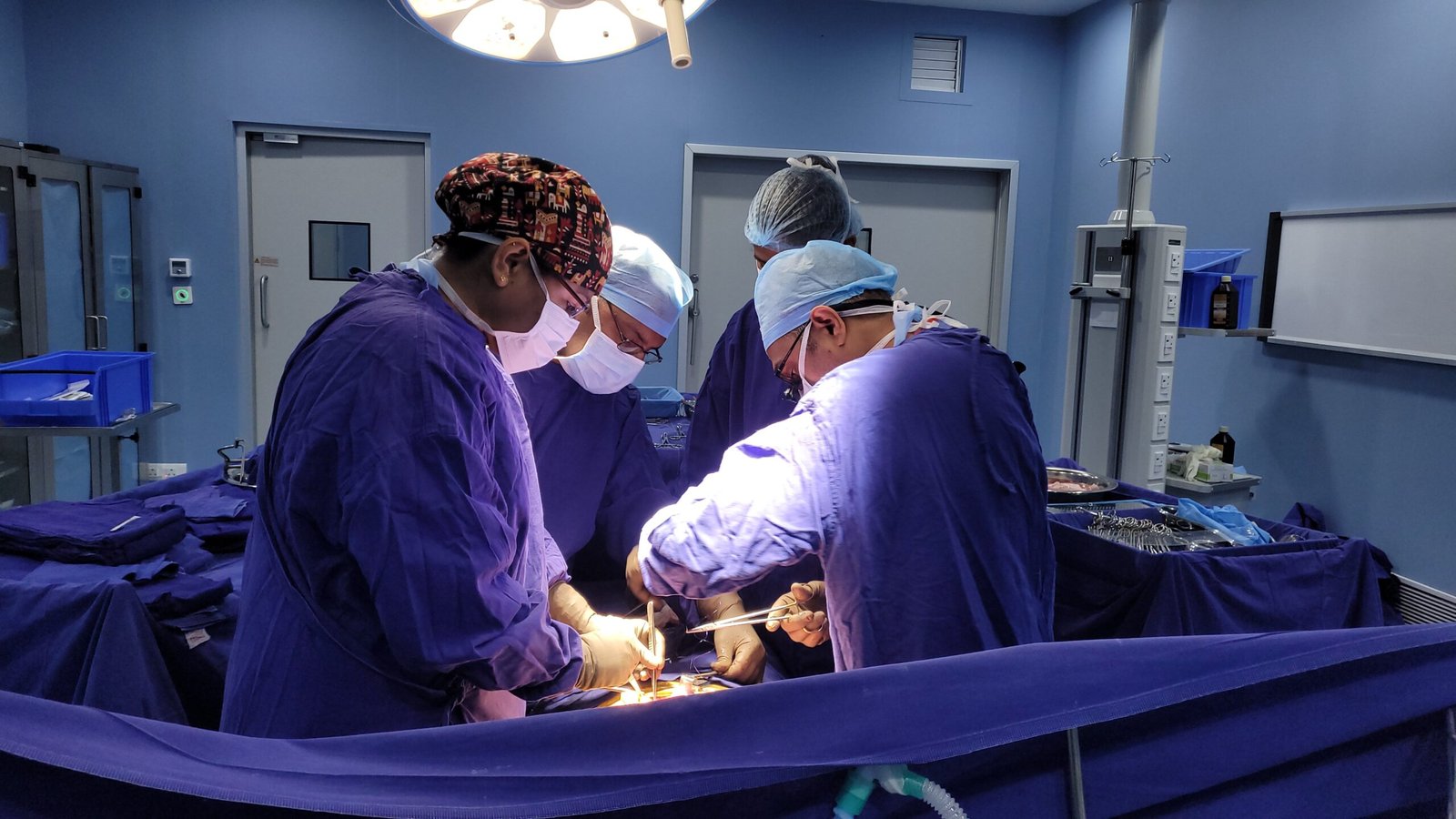
AV fistulas are created surgically, almost always in the forearm or upper arm, creating a connection between a vein and an artery. AV Fistulas are the most durable and infection resistant of all hemodialysis access, even for the specialists creating the connection. Providing the fistula complete at the accurate time, in the right location, with the proper technique, can improve the patients quality of life greatly.
An arteriovenous (AV) fistula is an unnatural or surgically made direct connection between an artery (a blood vessel that transports blood from the heart to the body) and a vein (a blood vessel that returns blood to the heart) . AV fistulas can form naturally as a result of injury or disease. They can also be made in a controlled manner by doctors to serve a purpose. An example of this is the connection in dialysis.
The radiocephalic fistula (the connection of the radius artery and the cephalic vein in the wrist or forearm) is the fistula that is made most often. An example of a fistula that is used when a suitable forearm vein cannot be found is the brachiocephalic fistula (the connection of the brachial artery and the cephalic vein) and the brachiobasilic fistula (the connection of the brachial artery and the basilic vein). This fistula also can require vein relocation. Surgeons assess a patient’s vessel anatomy using the Doppler method of ultrasound prior to the operation to help them determine the placement of the fistula.
The arterial blood in large amounts and at a high pressure causes the vein to expand and the wall of the vein to thicken. This is a process that requires several weeks and is referred to as maturation. After it has matured, the fistula vein has expanded enough and is located superficially enough to withstand penetration of needles for dialysis two times per session and three sessions per week.
If the kidneys stop working, there are other methods of dialysis, but this is the most common type. Hemodialysis uses a machine to filter out the body’s waste. To draw the blood, an access point needs to be made. The blood is drawn out, filtered, and then returned to the body, flowing for about 4 hours. A vessel needs to be able to combat the flow without collapsing, clotting, or getting an infection. Ordinary veins can’t achieve this, and so we need to make what’s called a fistula.
An AV fistula connects an artery to a vein. This results in a large, superficial, and robust access point, and veins can be needled a lot without causing damage. These can last for decades and so these are the most vital part of a safe and consistent dialysis journey for a patient.
When it comes to the AV fistula and the two other options of arteriovenous grafts and central venous catheters, the AV fistula has been proven to be the most beneficial from a clinical standpoint. Fistulas have the least amount of infections, last longer, and have a lower rate of clotting, and provide the best survival rate for patients. The KDOQI guidelines for the treatment of kidney disease recommend that a patient who may require hemodialysis in the future, be referred to for the creation of an AV fistula before it is required.
Patients who are expected to need long-term hemodialysis are advised to establish an arteriovenous (AV) fistula. It is recommended that patients be referred to have an AV fistula placed 3 to 6 months prior to the expected initiation of dialysis. Creating an AV fistula with insufficient time to mature is a major and preventable cause of the use of temporary central venous catheters and all of the risks that catheter use entails.
Chronic Kidney Disease (CKD) Stage 4 & 5 Patients
CKD Stage 4 patients (estimated GFR 15-29 ml/min/1.73m2) should be assessed for AV fistula creation prior to meeting the criteria for dialysis. Fistulas can take anywhere from 6 to 12 weeks, or longer, to mature. If a patient’s GFR is decreasing and is projected to reach 15 ml/min, the creation of a fistula should occur early enough to allow for fistula maturity for dialysis. Dr. Vikas Singh suggests that nephrology co-manage and early refer for surgery all patients with Stage 4 CKD, as they are likely to choose haemodialysis.
End-Stage Renal Disease (ESRD) Requiring Haemodialysis
Patients who have reached end-stage renal disease, defined as a GFR of less than 15ml/min/1.73m2, and who have either already started dialysis or are about to, are considered to be in need of urgent fistula creation. For patients dialyzing in a Central Venous Catheter (the most prevalent form of ’emergency’ access), there is an imminent clinical need to replace the catheter with a permanent access AV fistula. Due to the significantly higher risk of line-associated bloodstream infections, central vein stenosis, and thrombosis, the duration of a Central Venous Catheter should be limited to the absolute minimum.
Patients Preparing for Long-Term Dialysis Access
Patients who opt for hemodialysis as their renal replacement therapy must have their AV fistula and vein preservation planning initiated as soon as possible. This process begins with preserving the empty forearm. The non-dominant forearm should be protected from unnecessary venipunctures and IV placements, and patients should educate all healthcare workers to protect these forearm veins for future fistulas. Simple, non-invasive measures for protecting veins at the CKD stages 3 and 4 create a large impact on the options available at fistula surgery.
Diabetic & Hypertensive Patients With Kidney Failure
Diabetic nephropathy and hypertensive kidney disease top the list of global kidney failure causes. Diabetic patients suffer from poor blood circulation due to calcification of blood vessels and peripheral artery disease, which impede the blood flow that aids in the development of the fistula. Hypertensive patients’ vein walls thicken and lose elasticity. These patients, nonetheless, are still given preference for the method of AV fistula creation for blood access. This is because of the serious pre-operative vascular assessment with Doppler ultrasound, and a surgeon, who – just like Dr. Vikas Singh – is well acquainted with vascular complications.
Patients Awaiting Kidney Transplant Who Need Dialysis Bridge
Many patients needing a kidney transplant undergo hemodialysis. This often happens when a patient is not eligible for a transplant or when a donor is not yet available. For these patients, an AV fistula is usually constructed for hemodialysis. The fistula is usually only temporary. Once the patient receives a successful kidney transplant, hemodialysis (and the fistula) are no longer needed. After a transplant, the governing advice is not to abandon the fistula/AV access since the transplant is functioning. Also, the fistula serves as a backup hemodialysis access in case of transplant failure. The patient is always better served having a hemodialysis backup, despite the associated risks.
Before a patient has AV fistula surgery it is important to conduct a thorough pre-operative assessment to confirm the surgery is safe, to select the fistula site with the highest probability of success, and to identify and address any health concerns that may complicate surgery or affect the maturation of the fistula. Every fistula patient of Dr. Vikas Singh is given a detailed pre-operative assessment.
Doppler Ultrasound for Vein & Artery Mapping
Doppler ultrasound of upper limb vessels is considered the most significant pre-operative investigation for AV fistula planning. It evaluates the veins and arteries of forearm and upper arm Doppler techniques, providing real-time data for vessel diameters, velocity of flow, walls of vessels, and evidence of stenoses, thrombosis, or other anatomic abnormalities which may hinder fistula planning. The non-dominant arm is assessed first, as this is the preferred site for the fistula. Based on this assessment, fistula design and planning may include the wrist, forearm, and elbow sites for optimal successful maturation.
Blood Tests – Kidney Function, Clotting Profile
Routine pre-operative tests include serum creatinine and estimated GFR (to establish the current stage of renal illness and evaluate the risk associated with anaesthesia), complete blood count (to check for anaemia, which is very common in chronic kidney disease and may need correction prior to the operation), and a coagulation profile (which includes prothrombin time and APTT) to evaluate and determine peri-operative management of anticoagulation and assess serum electrolytes (with an emphasis on potassium, which is dangerously high in end-stage renal disease and should be done prior to any operation). A blood group and crossmatch is performed when necessary.
Individualized peri-operative management is required for patients taking anticoagulant or antiplatelet medications – warfarin, NOACs, aspirin, or clopidogrel, among others. Some anticoagulation medications are either bridged, reduced, or taken temporarily off prior to fistula surgery. The reason for the anticoagulation and the bleeding risk of the procedure are taken into account to determine the approach for an individual patient.
Cardiac Fitness Assessment Before Surgery
Patients diagnosed with chronic kidney disease – particularly with end-stage renal disease – are considered a higher population at risk for cardiovascular disease compared to the general population. This higher risk status is elevated further as cardiovascular disease is the primary cause for mortality within the dialysis population. It is a requirement that a patient’s cardiovascular status is optimized and their cardiac fitness is assessed prior to all surgical interventions, AV fistula construction included. This assessment is comprised of a focused clinical history and an examination, a resting ECG, and an echocardiogram for persons with a known and/or suspected cardiac condition, and, in those patients with more serious cardiac comorbidity (e.g. heart failure, recent myocardial infarction, significant arrhythmia, poorly controlled hypertension), a referral to the cardiology department. The aim is to ensure the patient is fit to undergo even a minor surgical procedure involving the use of local or regional anaesthesia.
Assessment of Dominant Hand & Lifestyle Factors
To provide access for dialysis, a vascular fistula usually is placed on the non-dominant side to preserve the dominant side and to minimize the potential impacts of access related problems. Nevertheless, the non-dominant side can be used if the non-dominant side is inadequate. This type of decision is made after fully disclosing the potential impact on quality of life to the patient.
There are lifestyle and vocational factors that necessitate compromise on fistula placement. For some manual laborers a fistula that is placed proximally in the arm and is less vulnerable to trauma may be indicated. A patient may have central vein stenosis after central venous catheter placement on the same side, which can compromise the flow of venous blood and may cause edema of the fistula even if the fistula is hemodynamically adequate. This will be evaluated pre- operatively and can influence the placement decision.
The AV fistula is meant to provide a bodily pathway and function like a living structure. Daily care is needed. A well-cared fistula can last even for decades, but one that is neglected can fail within a number of months. Monitoring your own fistula is essential, as is identifying ways to protect and care for it. You should also be vigilant in understanding when you need to seek urgent care.
How to Check Fistula Thrill & Bruit Daily
You can feel the fistula’s blood flow when you gently place your fingers over it. This is a result of the high speed even of both high-pressure arterial blood and lower-pressure venous blood. Blood flow through the fistula is also confirmed by the sound of turbulent blood flow passing through a stethoscope. It comes out rushing and whooshing.
All fistula patients can check for the presence of a thrill. This can be done by gently touching the site with 2 or 3 fingers each morning. There is a characteristic continuous buzzing quality in the presence of a thrill. If the thrill is weak, intermittent, or absent, the patient should seek medical help right away. This is a sign of thrombus formation in the fistula; pulmonary embolism can occur if a thrombus is not removed. If a thrombus is formed in a fistula, it is best to seek medical help as soon as possible since the thrombus can still be dissolved.
Exercise & Strengthening the Fistula
When a patient has a fistula, gentle, regular exercise during the maturation period can help fistula development. Daily gentle squeezing of a soft rubber ball or a rolled-up towel for 10 to 15 minutes, three to four times a day, can help increase blood flow to the fistula, promote venous dilation, and help with maturation. This free exercise has helped significantly increase fistula maturation and obstruction and reduce the time to first use.
Once the fistula is vascularized and dialysis is begun, regular gentle exercise of the arm also helps fistula function. On the other hand, heavy resistance exercise, powerlifting, and other activities with significant increases in intra-abdominal and thoracic pressure may lead to aneurysms of the fistula, and should either be discussed with the surgical and dialysis team, or avoided entirely.
Here are the warning signs every patient and their family members should know:
Patients receiving hemodialysis who are eligible for a kidney transplant must understand how their AV fistula and their entire transplant process are linked. The fistula serves its function for the duration of the patient’s dialysis. If and when the fistula is no longer functional, can be replaced, and the kidney transplant is successful, how is the patient’s health and medical support impacted?
Do You Still Need AV Fistula After a Successful Transplant?
In the initial period after a kidney transplant – usually the first 3–6 months – the AV fistula is kept even if the transplanted kidney is functioning well. A transplant must prove that it can function by itself in a sustained manner before permanent dialysis is stopped. The kidney can have delayed graft function (which can take days to weeks to begin), acute rejection (which can temporarily make the kidney function worse), or some early post-operative complications – all of which can result in the need for dialysis to be done again. It is very comforting that a functioning AV fistula is available in this instance.
When kidney transplant function is stable for three to six months (with consistently low levels of creatinine, absence of rejection, and satisfaction from the transplant team with the outcome of the transplant), the fistula can be considered for removal/cannulation. The transplant team and the nephrologist will be able to guide the discussion for each case.
Keeping the Fistula as a Backup After Transplant
Most transplant doctors advise that both the kidney transplant patients and the dialysis patients they consult with keep their AV fistula for 3-5 years after a successful kidney transplant. Kidney transplants should never be thought of as a total resolution. If chronic rejection of the transplanted organ occurs, or if the patient fails to take their immunosuppressive medications, or if the disease returns, or if other complications occur, the kidney may fail and the patient may become dependent on dialysis once again. If the patient still has their AV fistula, they can resume hemodialysis immediately.
While the AV fistula may mean some increased burden on the patient’s heart, this will not become a problem in a transplant patient with good post-transplant cardiac function. In these cases, it is really the best option to defer closure of the fistula and keep it for the timeframe, rather than immediately close it.
When AV Fistula Is Closed After Kidney Transplant
Closure (ligation) of the AV fistula after kidney transplant is considered in the following situations: the fistula is causing high-output cardiac failure (or is contributing to cardiac strain in the presence of heart disease); the fistula has large aneurysms and is damaging the surrounding tissues; the fistula has a problem with repeated infection and/or bleeding; and the patient has a good functioning transplant and is not likely to require further dialysis in the future after meeting with the transplant team.
Ligation of a fistula is a relatively quick and simple surgical procedure (usually performed under local anaesthesia) to separate and tie the fistula vessels to remove the connection between the artery and vein. After the ligation, the fistula vein shrinks and is absorbed over a period of a few months. As a part of his complete renal surgical practice, Dr. Vikas Singh offers fistula ligation and carefully assesses the cardiac function and specific constraints of the patient before surgery.
AV fistula surgery is a complex and nuanced procedure compared to other types of surgeries. These nuances include technical skill, understanding of kidney disease and how it is managed, understanding of hemodialysis, and understanding of the individual patient’s unique vascular anatomy along with their specific clinical situation. This is why Dr. Vikas Singh has countless patients from Indore and Central India. Below are some reasons why patients prefer Dr. Singh:
Posted on GoogleTrustindex verifies that the original source of the review is Google. Dr vikas singh is best urologist in IndorePosted on GoogleTrustindex verifies that the original source of the review is Google. Nice treatmentPosted on GoogleTrustindex verifies that the original source of the review is Google. My treatment given by Dr vikas sir he is best doctorPosted on GoogleTrustindex verifies that the original source of the review is Google. Best doctorPosted on GoogleTrustindex verifies that the original source of the review is Google. Hm log shivpuri se dr vikas sir ko dikhane aaye, sir se milkar bahut acha lga, nature or treatment bahut sahi hePosted on GoogleTrustindex verifies that the original source of the review is Google. Nice doctorPosted on GoogleTrustindex verifies that the original source of the review is Google. Very experienced and caring doctor. Excellent treatment and patient-friendly approach. Highly recommended.”Posted on GoogleTrustindex verifies that the original source of the review is Google. On dt27.06.2026 dr.vikas singh performed my prostatomegaly surgery by Urolift method . I am now fealing very well.Within two days l got discharged from Kokilaban Dhirubhai Ambani hospital Indore (MP).I am very thankfull to this very new method Urolift,Dr.Vikas singh sir and BCM Kokilaben Dhirubhai Ambani hospital,Nipania Indore. ByAdarsh kumar pauranik.Posted on GoogleTrustindex verifies that the original source of the review is Google. Good experience for testis treatment for my son
An AV fistula is when surgeons connect an artery to a vein in the arm to provide a high-flow access point for haemodialysis. Compared to central venous catheters, AV fistulas have a much lower risk for infection. Infection via a central venous catheter is a leading cause of death in patients undergoing dialysis. AV fistulas can last much longer than central venous catheters. AV fistulas can last decades, while central venous catheters must be replaced every few months. Fistulas also provide better dialysis, and patients who have AV fistulas typically have a much better overall survival rate. Because of these reasons, international guidelines recommend that an AV fistula is the first option for haemodialysis access for new patients when reasonably possible.
It is preferable to start the process 3–6 months prior to the expected start of dialysis, ideally during CKD Stage 4 (with GFR 15–29 ml/min), to allow adequate time for fistula maturation (6–12 weeks minimum). In addition, the time frame allows for additional fistula placements or revisions should the first fistula fail. If dialysis is initiated without a mature fistula, a central venous catheter is used, which comes with major risks. One of the most important steps a nephrologist can take for Stage 4 CKD patients is to ensure early referral to a vascular / urologic surgeon who has expertise in fistula placement/creation.
Typical surgery time for AV fistula is set between 60 and 90 minutes for the majority of radiocephalic and brachiocephalic fistula surgeries. This time can extend to 2 hours for more complicated surgeries like vein transposition for brachiobasilic fistulas. Most brachiocephalic fistula surgeries can be done in a day. For a day procedure, the patient is expected to arrive in the early hours, and the surgery, which can be done under local or a regional anaesthesia, is done in a few hours. The patient is then discharged after a few hours of recovery. A one day stay is done for the patient with a more complicated fistula surgery and those with significant comorbidity; however, this is a rare occurrence.
For 2-4 weeks after fistula surgery, do not lift heavy objects or do strenuous activities with the arm with the fistula. Keep the arm wound clean and dry, do fist-clenching exercises to help the fistula mature, and prevent blood pressure readings, blood draws, and IV lines from occurring in the arm with the fistula. These things should never be done in this arm. Most normal daily activities, such as desk work, and light domestic tasks, and do gentle exercise, can be done again after 1-2 weeks. After the wound has healed, these restrictions ease up, and most activities should be done again. Sports that involve heavy manual labor and contact must be discussed with Dr. Vikas Singh before doing.
Yes – but it needs careful evaluation as well as a skilled surgeon. Cell damage from small veins & hardened arteries (common with diabetes and chronic hypertension) or a damaged vessel caused from an IV or a previous blood draw makes the creation of a fistula more complicated. Prior to the surgery, there must be a thorough Doppler visualization of the blood flow as it maps out the vessels and shows which vessels are the best to use. If upper extremity vascular sites are completely inadequate, a more proximal fistula (brachiocephalic or brachiobasilic) from larger vessels in the upper arm is usually achievable. Only in circumstances when there are no adequate native vessels is a synthetic arteriovenous graft also used – this is always the second alternative after a native fistula.
When a significant amount of blood is channeled through a low-resistance venous circuit, less blood supply the hand and fingers, leading to pain, numbness, coldness and, in the most serious cases, permanent ischemia and gangrene. Steal syndrome commonly develops from high-flow brachiocephalic and brachiobasilic fistulas and from patients with existing peripheral arterial disease. Mild steal, or cold hand without pain, is often noticed. Major steal with pain or even neurological symptoms is considered an emergency and immediate surgical procedures, such as a DRIL (Distal Revascularisation Interval Ligation) or PAI (Proximalization of Arterial Inflow), are required to preserve the fistula and restore the hand’s blood supply. As part of his comprehensive fistula care, Dr. Vikas Singh performs assessment and management of steal syndrome.
Fistula non-maturation occurs in 20–30% of fistulas and leads to the failure of the fistula vessel to grow large enough to be adequate for dialysis use. This complication is more common in diabetic patients, elderly women, and elderly patients. This complication is usually caused by stenosis at or near the anastomosis, accessory veins that divert blood away from the main vessel, or poor arterial inflow. Most non-maturing fistulas can be treated with balloon angioplasty to treat the stenosis and with accessory vein ligation. Dr. Vikas Singh assesses every non-maturing fistula, usually with a Doppler ultrasound and, when needed, a fistulagraphy before determining the optimal intervention to preserve access.
AV fistula surgery is done using local or regional anaesthesia. This means the patient is completely at ease during the procedure. The discomfort after the procedure is slight. Patients only need common oral pain relievers like paracetamol or a mild anti inflammatory for the next 24-48 hours. The operative site is, tender, swollen, and uncomfortable, but only for the first week. The discomfort should go away by the end of the week. The small incision should heal within 2 weeks, after which the nonabsorbable sutures will be taken out.
A good quality AV fistula should provide easy access for a patient to complete the entire duration of his/her scheduled dialysis sessions over a number of years. AV fistula has a few weaknesses to their long-term durability, these include, but are not limited to, narrowing of the vessels, stenosis (common around the outflow vein), formation of a clot due to vascular narrowing (thrombosis), formation of an aneurysm from repeated needle punctures (an infection around the access site), and infection. If caught early, any of these issues are easily manageable. Repeated, but focused, monitoring and timely interventions (such as surgical revision, angioplasty, or thrombectomy) are beneficial. For most international guidelines, performing a Doppler ultrasound to monitor the blood flow should be performed routinely. This procedure will help identify vascular narrowing (stenosis) and help prevent thrombosis.