
Urethral stricture is a condition that can be both annoying and concerning. It can start with just a slightly weaker urine stream, but can eventually become a frustrating battle where you can end up straining to urinate, have UTIs frequently, feel like your bladder never fully empties, and in some cases, can be life altering by completely restricting your ability to urinate. This condition isn’t life threatening by any means, but it can be extremely annoying. It can all be fixed with a single procedure, and can create a massive improvement to someone’s quality of life by restoring normal functionality.
Optical Internal Urethrotomy is by far the most common minimally invasive procedure that is completed for urethral strictures. The entire procedure is completed through the urethra without any cuts, and is done by using a small blade to cut through the narrowed scar tissue, and restore normal urine flow. Laser OIU is an even more advanced form of this procedure, where instead of using a blade, a laser is used. This results in a much more precise cut, a significantly reduced amount of bleeding, and less post-surgery scarring due to the increased visibility while cutting through the tissue.
Optical Internal Urethrotomy is a type of endoscopy used to treat urethral stricture. A urethral stricture is a narrowing of the urethra due to a scar which develops in a way that obstructs the passage of urine. The urethra is the tube through which urine flows out of the bladder. It has a passage in the prostate, the perineum and the entire length of the penis. Strictures can develop at any of these sites due to infection, injury, trauma, and even due to an unexplained cause.
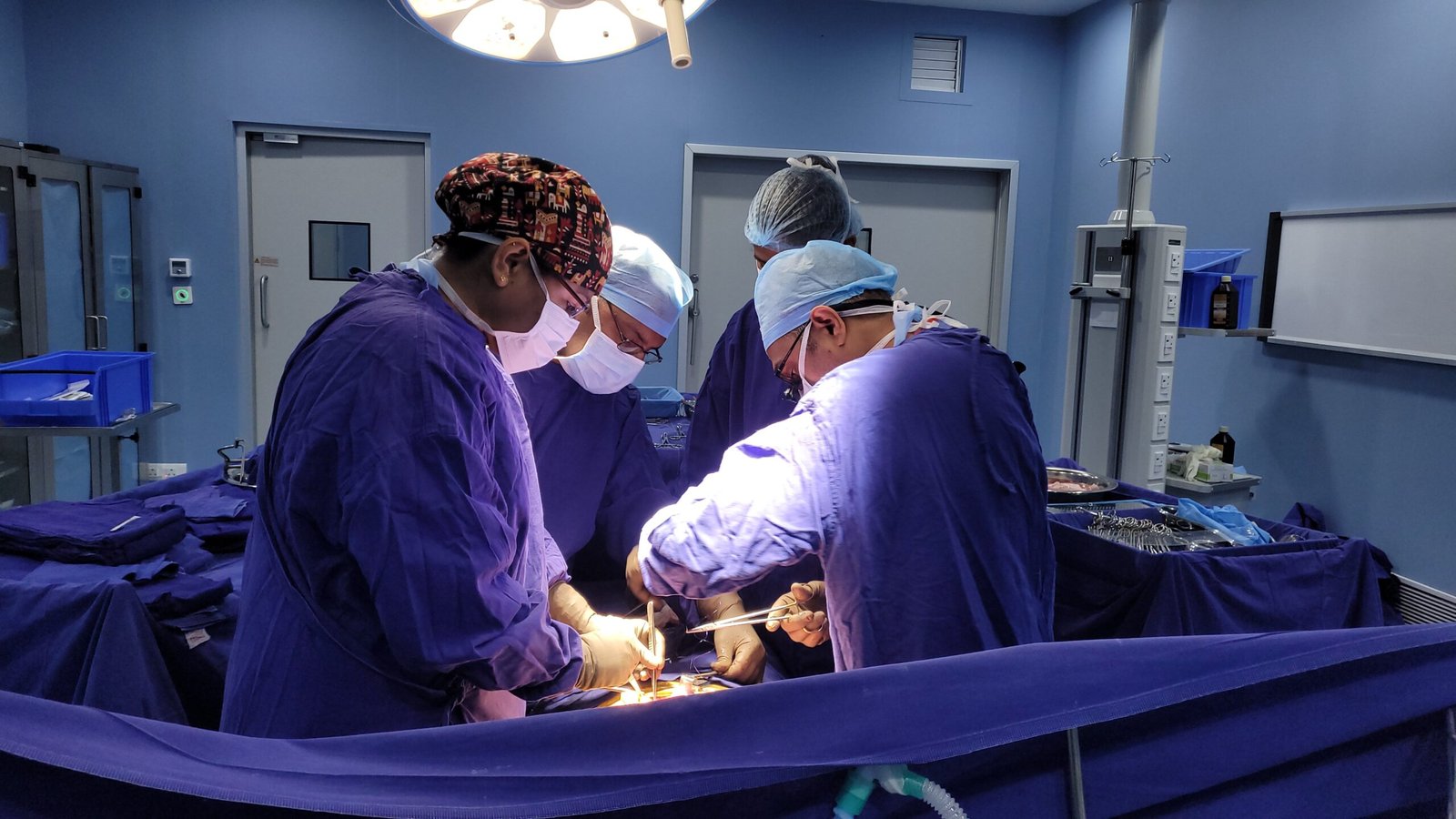
For OIU, a urethrotome, a rigid tube used in urethral repair, is used. It is a tube used to directly visualize a urethral stricture through a camera. It is also used to cut through the stricture inside the urethra, in a way that no incision is made on the skin. The tube is inserted through the urethra. It then directly displays the stricture on a monitor. The narrowed segment is incised using a blade or scissors. This incision cuts the scar, creating a larger opening for the flow of urine.
The understanding of OIU is that urethral stricture occurs due to a replacement of the normal urethral mucosa and submucosa by scar tissue. This scar tissue is inelastic and progressively narrows the urethral channel. It is also understood that OIU addresses the issue by making incisions though the scar at predetermined points along the circumference of the urethra (most commonly at the 12 o’clock position, and sometimes at the 3 and 9 o’clock positions), thus allowing the scar to release and the urethra to open.
Once an incision is made, a urethral catheter is placed for a few days. This is a protective measure to ensure that during the initial healing phase the urethra is kept open. Ideally, the urethra heals by re-epithelialisation and the process of scarring is avoided. However, the incision is often followed by the formation of scar tissue, and this explains the high rate of recurrence of this procedure, especially for strictures of greater than a few centimeters and patients with repeat procedures.
The best long-term outcomes of OIU are seen for strictures less than 1–1.5 cm, strictures that have not been previously treated, and for bulbar urethral strictures compared to penile urethral strictures. Equal importance is placed on patient selection and surgical technique.
Laser OIU utilizes laser energy via a Holmium:YAG laser or Thulium fibre laser to create urethral incisions, as opposed to a cold knife. During the process, a laser fibre is introduced through the working channel of the urethroscope. Laser pulses are then used to vaporize and incise the scar tissue, leaving behind a clean and precision work area, as the energy fuses the open blood vessels in the tissue.
Surgeons have a lot more control over the healing process with the use of lasers, as opposed to a cold knife, with submillimeter control over the depth and precision of each incision. Laser OIU results in clearer incisions with an unobstructed view, as blood is bound to the tissue through the effect of laser energy. A study has shown that use of lasers in OIU has less severe scarring than OIU done with a cold knife, along with lower rates of incision recurrence.
Clinically, laser OIU is associated with shorter catheter duration after the procedure, quicker recovery, and in specific patients (e.g. those with recurrent strictures post cold knife OIU), better medium-term outcomes when compared with the traditional method.
Urethral stricture is usually a slowly developing problem. The narrowing of the urethra takes time. Strictures usually take months or years to become problematic. Most men start to grow accustomed to the way their urine stream changes. In addition to symptoms getting worse over time, many men mistake their symptoms for either old age or prostate problems. Urethral stricture has its own set of symptoms that are usually not related to aging. In fact, if caught early, stricture can be an easy fix and the prognosis will be very good.
Weak or Thin Urine Stream
Urethral stricture causes men to first notice the change in their urinary system as their urine stream becomes noticeably weaker and/or thinner. Rather than a strong, wide-bore stream, urine will slowly leak out as a thin trickle or in a split stream. Differing from BPH, where the stream may also be weak but improves after the first few seconds, urethral stricture causes a thin stream for the entire duration of urination. The thickness of the stream may also provide an indirect means to estimate how much the urethra has narrowed.
Straining to Pass Urine
As the stricture advances, urine has to be pushed even more forcefully through the narrowing channel. This presents itself as straining, where the patient physically uses their abdominal muscles to push and bear down in an attempt to start and/or keep the urine stream going. Straining to urinate is abnormal, and an appropriate evaluation should be performed. With time, straining repeatedly ruptures the bladder, and the muscles thicken and become more active, producing different urinary symptoms, especially after the stricture is treated.
Feeling of Incomplete Bladder Emptying
An incomplete emptying sensation occurs when a patient feels that they need to void the bladder. This is often reported even when the patient has just voided the bladder. This sensation indicates obstruction of the urethra. Bladder voiding can be incomplete due to obstructive forces along the urethra. The urine that is not voided remains in the bladder and can lead to an increased risk of urinary tract infections as the urine becomes stagnant. The urine can also cause an overstretch of the bladder and an obstruction of bladder voiding.
Frequent Urinary Tract Infections (UTIs)
Men with two or more urinary tract infections (UTIs) per year should be assessed for structural abnormalities within the urinary tract. Recurrent UTIs can be due to urethral strictures. Urethral strictures can be caused by an obstructed bladder, which can then provide a culture medium for bacteria. Residual urine in the obstructed bladder can also be a chronic colonizer of bacteria if the obstruction is due to a stricture from past urethral instrumentations. Each UTI infection can cause greater inflammation and tissue damage and further worsen the urinary stricture, creating a self-perpetuating problem. The stricture must be surgically treated to break the cycle.
Urinary Retention & Inability to Pass Urine
Acute urinary retention develops when urethral narrowing, caused by severe or rapidly advancing urethral stricture, becomes so restrictive that urine can no longer flow. This condition can turn into a life-threatening emergency. Immediate catheterization or suprapubic limb incision is required to alleviate pain caused by a urinary bladder that has stretched to its limit out of emergency. Stricture urinary retention is typically difficult to control because, due to the stricture, catheters may not be able to pass through, which may be a more advanced urethroplasty issue. Any male patient who has urinary retention must be referred for investigation and treatment of a suspected urethral stricture without delay.
Dribbling After Urination
Post-void dribbling, which is the phenomenon where urine continues to leak from the urethra after the user has finished urinating, can occur when the narrowed urethra doesn’t allow for the complete expulsion of urine in one stream. When this is the case, some urine remains in the urethra, past the narrowing, and leaks out after peeing. While dribbling alone is not used as a diagnostic for urethral stricture and other urinary conditions, when dribbling is noted, along with a weak urinary stream and possibly straining when urinating, then stricture is likely to occur and a medical assessment by a urologist is warranted.
For any treatment to be effective, it is first important to correctly identify key details about the configuration of the stricture such as its location, length, severity, and number. Having this information allows one to select among the possible interventions (OU, laser OIU, or urethroplasty) accordingly. Systematic investigation of the stricture contributes to treatment selection. Dr. Vikas Singh’s methods are no different.
Uroflowmetry (Urine Flow Rate Test)
Uroflowmetry is the best method to assess for the presence of an obstruction in the lower urinary tract. This device records and produces a flow rate curve. It is simple to use, does not cause pain, and produces a flow rate curve which is extremely helpful for determining the appropriate therapy. While urinating into a designed receptacle, the device captures data on both the volume and time, and flow parameters. Normal maximum flow (Qmax) for adult males is greater than 15 – 20ml/s. In urethral stricture, Qmax decreases to less than 10ml/s. Similarly, the flow rate decreases, and the flow rate curve becomes almost a flat plateau as opposed to a flow rate curve that is almost bell shaped. Uroflowmetry provides an objective measure of the severity of the obstruction, and establishes a reference for post therapy evaluation.
Retrograde Urethrogram (RGU) & Micturating Cystourethrogram (MCU)
Retrograde urethrogram (RGU) is the method of choice in characterising and diagnosing urethral stricture. Under X-ray control, contrast dye is injected (fluoroscopically) in reverse within the urethra to the bladder via the external urethral meatus. Images show the exact location, extent, and severity of stricture that appears as a filling defect or a contrast column. RGU is particularly useful for the anterior urethra (bulbar and penile urethra).
Micturating cystourethrogram (MCU) or voiding cystourethrogram (VCUG) is a procedure that evaluates the posterior urethra (bladder neck and membranous urethra) during micturition in conjunction with RGU. Under fluoroscopic control, the patient empties the bladder and thus fills the urethra with contrast from above. The combination of RGU and MCU demonstrates the entire urethra and characterises stricture in segment(s) and multiplicity, as well as posterior urethral involvement. This is vital information in planning surgery, particularly in deciding whether to proceed with suprapubic cystostomy (SPC) or urethroplasty.
Urethroscopy (Direct Visual Inspection of Urethra)
Urethroscopy is an outpatient procedure that involves sending a camera into the urethra to inspect the urethral lining. Urethroscopy takes a couple of minutes to accomplish while under light sedation. This procedure can also describe the characteristics of a stricture using its different levels of mucosa. For example, if a stricture is membranous, it can be treated OIU, or if a stricture is spongiofibrotic, it is dense and can suggest higher recurrence of stricture after an endoscopic treatment. This procedure can be used to examine the size and condition of the urethral lumen, adjacent ribbed mucosa, and helps check for strictures RGU may have missed.
Ultrasound & Post-Void Residual Urine Test
Bladder ultrasounds conducted before and after urination determine the volume of post-void residual (PVR) urine. PVR urine is the urine left in the bladder after a patient has voided as much as possible. An obstructive uropathy typically presents when a bladder cannot void PVR urine greater than 100 – 150 ml or more and requires a surgical intervention. Measuring PVR serially after urodynamic therapy shows the treatment and obstruction progress. Ultrasound of the bladder evaluates the bladder wall as well. Trabeculation and thickening of the bladder wall are indirect results of obstruction severity and bladder function. These alterations help determine the effect of a urinary stricture on the bladder.
Urethral Ultrasound for Stricture Length Assessment
Urethral ultrasound, or sonourethrography, is a technique that uses ultrasound to produce images to assess the degree of spongiofibrosis, inflammatory scarring, in corpus spongiosum, with regard to a urethral stricture. Compared to retrograde urethrogram (RGU), which only shows the lumen of the urethra, urethral ultrasound is able to provide visual information concerning the extra-urethral tissue, which is essential in the assessment of the likely outcome of an obstructive iterative urethrogram (OIU). Strictures with either absent, or only minor spongiofibrosis, on ultrasound, are likely to have a successful outcome following OIU. In contrast, strictures with extensive ultrasound-documented spongiofibrosis are unlikely to respond to endoscopic management, and urethroplasty is warranted. This modality of imaging is of greatest use in the management of patients with multiple or complicated recurrent strictures.
Urethral stricture management often involves a choice between offering one-stage internal urethrotomy (OIU) and referring to definitive surgical reconstruction (urethroplasty). OIU is preferred due to its relative simplicity and lower invasiveness. Only by understanding this decision can patients achieve an informed level of participation regarding urethral stricture management and have a clear understanding of the expected outcomes.
Factor | OIU / Laser OIU | Urethroplasty (Open Surgery) |
Procedure type | Endoscopic – through urethra, no incisions | Open surgery – perineal or penile incision |
Best for stricture length | Less than 1–1.5 cm (short strictures) | Any length – especially >1.5–2 cm |
Best for recurrence | First or second episode only | Recurrent strictures after failed OIU |
Anaesthesia | Spinal or general; short duration | General or spinal; longer procedure |
Hospital stay | Day care to 1 day | 2–5 days |
Recovery | 1–2 weeks | 4–6 weeks |
Success at 5 years | 30–50% (recurrence is common) | 80–95% – durable long-term cure |
Risk of repeat procedure | High – frequent re-stricturing | Low – one-time definitive cure in most |
Catheter duration | 1–5 days post-procedure | 2–3 weeks post-surgery |
Patient preference | Chosen for minimal invasiveness initially | Chosen for definitive, long-term resolution |
In a man presenting with his first episode of urethral stricture, bulbar stricture of less than 1-1.5 cm on imaging, with minimal spongiofibrosis on urethral ultrasound, endoscopic optical internal urethrotomy (Laser OIU) is the first line of treatment. The procedure involves no external incision, and patients can return home the same day with a quick recovery period and the ability to return to their normal routine. Although stricture recurrence is a given, endoscopic treatment is a reasonable approach before proceeding to the more invasive procedure of open surgery for short first time stricture.
Patients undergoing OIU should have a clear risk of stricture recurrence, the need for long-term follow-up with uroflowmetry, and a treatment plan if stricture recurrence occurs i.e. another optical internal urethrotomy or urethroplasty. To manage stricture recurrence risk, and to a lesser extent, to reduce stricture formation, patients are also recommended intermittent self-catheterization (and self dilation of the urethra) to maintain urethral dilation. This is especially recommended for patients who have a high risk of recurrence stricture.
Urethroplasty is preferred for several conditions: strictures greater than 1.5 to 2 cm, penile urethral strictures (where outcomes of other minimally invasive techniques are poor because of different tissue structures in penile versus bulbar urethra), strictures with a sizable spongiofibrosis on ultrasound, strictures that have recurred after one or two previous open urethral procedures, and those who are looking for the most safe, long-lasting option to avoid repeated procedures.
Urethroplasty can be used as an excision and primary anastomosis (EPA) for healing short, fibrotic bulbar strictures. For longer strictures, the gold standard is an augmentation urethroplasty with a buccal mucosa graft (a strip of inner lining of the cheek), where the buccal mucosa graft is used to span the gap in the urethra. Dr. Vikas Singh offers both EPA and buccal mucosa graft urethroplasty as part of his advanced urethral stricture management program.
The success of OIU vs urethroplasty must be emphasized to patients due to the significant differences in reported outcomes. A classical OIU or a laser OIU has a stricture-free success rate of about 30%-50% at 5 years for certain types of short bulbar strictures. These rates are expected to decline as the length of the bulbar stricture increases and as the follow-up time increases and repeat procedures are performed. After 2 OIU procedures, the success of a 3rd OIU is low, and most guidelines suggest urethroplasty after the 2nd OIU has failed. A urethroplasty, and in particular a buccal mucosal graft urethroplasty for bulbar strictures, has a stricture free success rate of 80%-95% at 5–10 years. This is a significantly different and more durable outcome. For a patient who has a longer stricture and is not a poor surgical candidate, the long-term outcome of 1 definitive procedure with an 85%-90% success rate of not ever needing to undergo another procedure is better than the less invasive OIU with its shorter recovery time. Dr. Singh believes in fully educating the patient by discussing these outcomes so the patient understands and can choose the best treatment option.
In patients eligible for endoscopic treatment of urethral stricture, laser OIU has various advantages over the traditional cold knife OIU as well as the ‘do-nothing’ approach. For the following reasons, laser OIU is becoming the technique of choice in leading centers for treating male urethral stricture disease:
No Major Cut or Open Surgery
Laser OIU is done completely through the body’s natural urinary passage, also called the urethra. Because of this, we do not make any type of incision or incision-like punctures anywhere on the body. A urethroscope is passed through the external urethral meatus, and the urinary stricture is viewed directly on a monitor at high-definition. Afterwards, a laser incision is done through the telescope’s working channel. From the outside, there is nothing visible, no wounds, no scars, and no sutures needing to be removed. This makes laser OIU one of the most patient-friendly options for urological procedures. The complete lack of external trauma is also one of the most reassuring factors for patients who are naturally anxious about surgeries involving this sensitive area of the body.
Bloodless & Precise Laser Incision
The Holmium and Thulium lasers used in laser OIU have both cutting and coagulating functions. This characteristic allows for a clean and bloodless incision. The operative field is clear of blood throughout the procedure. In contrast, the cold knife OIU procedure involves cutting which leads to excess bleeding. This compromises the incision’s completeness, and also impairs vision. The bloodless technique of laser incision has two direct effects: the surgeon sees better and ensures a complete incision, and the patient suffers less post-operative haematuria and discomfort. The delivery of laser energy is also very precise. This allows the surgeon to work very close to the urethral sphincter and the prostatic urethra without causing excess damage to adjacent structures. The risk of damage caused to sensitive structures is much less when compared to the use of a mechanical blade.
Day Care / Short Stay Procedure
Laser OIU is usually done as a day-case or overnight procedure. The patient is admitted on the morning of surgery for a procedure that is performed with spinal or general anaesthesia, lasting for about 30–60 minutes. After spending a few hours recovering in the post-operative area, the patient is usually discharged on the same day or the next day, with a urethral catheter in place for 1 to 3 days. The catheter is taken out at a follow-up appointment in a week, and a check uroflowmetry is done to assess and confirm improvement. The entire process of treatment is done with the least disruption to the patient and family.
Faster Return to Normal Activities
Because of minimal tissue trauma, bleeding, and a shorter duration of catheterization, recovery time with laser OIU is comparatively better than conventional OIU. Most patients, after laser OIU, are comfortable and independent in about 24 hours. They resume desk jobs and light work in 3-5 days. Full recovery takes 1 to 2 weeks. Driving is permitted a few days after catheter removal and when the patient is comfortable. Work-age men, self-employed, and family-oriented patients who cannot sustain an absence from work or family activities value the recovery time.
Suitable for Elderly & High-Risk Patients
Since laser OIU doesn’t need cuts, causes almost no blood loss, and can be done with spinal instead of general anaesthesia, it is particularly safe for elderly patients and even those who have serious or multiple medical issues, including heart disease, diabetes, chronic respiratory issues, and even those on blood-thinning medications. In patients for whom open surgical urethroplasty would carry excessive anaesthesia or surgical risk, laser OIU presents an excellent method of improving urinary function without exposing the patient to the risks of a prolonged and more invasive procedure. For elderly men with a reasonable quality of life expectation, repeated laser OIU procedures – managed expectantly with regular follow-up – may be an entirely appropriate long-term management strategy.
In patients eligible for endoscopic treatment of urethral stricture, laser OIU has various advantages over the traditional cold knife OIU as well as the ‘do-nothing’ approach. For the following reasons, laser OIU is becoming the technique of choice in leading centers for treating male urethral stricture disease:
No Major Cut or Open Surgery
Laser OIU is done completely through the body’s natural urinary passage, also called the urethra. Because of this, we do not make any type of incision or incision-like punctures anywhere on the body. A urethroscope is passed through the external urethral meatus, and the urinary stricture is viewed directly on a monitor at high-definition. Afterwards, a laser incision is done through the telescope’s working channel. From the outside, there is nothing visible, no wounds, no scars, and no sutures needing to be removed. This makes laser OIU one of the most patient-friendly options for urological procedures. The complete lack of external trauma is also one of the most reassuring factors for patients who are naturally anxious about surgeries involving this sensitive area of the body.
Bloodless & Precise Laser Incision
The Holmium and Thulium lasers used in laser OIU have both cutting and coagulating functions. This characteristic allows for a clean and bloodless incision. The operative field is clear of blood throughout the procedure. In contrast, the cold knife OIU procedure involves cutting which leads to excess bleeding. This compromises the incision’s completeness, and also impairs vision. The bloodless technique of laser incision has two direct effects: the surgeon sees better and ensures a complete incision, and the patient suffers less post-operative haematuria and discomfort. The delivery of laser energy is also very precise. This allows the surgeon to work very close to the urethral sphincter and the prostatic urethra without causing excess damage to adjacent structures. The risk of damage caused to sensitive structures is much less when compared to the use of a mechanical blade.
Day Care / Short Stay Procedure
Laser OIU is usually done as a day-case or overnight procedure. The patient is admitted on the morning of surgery for a procedure that is performed with spinal or general anaesthesia, lasting for about 30–60 minutes. After spending a few hours recovering in the post-operative area, the patient is usually discharged on the same day or the next day, with a urethral catheter in place for 1 to 3 days. The catheter is taken out at a follow-up appointment in a week, and a check uroflowmetry is done to assess and confirm improvement. The entire process of treatment is done with the least disruption to the patient and family.
Faster Return to Normal Activities
Because of minimal tissue trauma, bleeding, and a shorter duration of catheterization, recovery time with laser OIU is comparatively better than conventional OIU. Most patients, after laser OIU, are comfortable and independent in about 24 hours. They resume desk jobs and light work in 3-5 days. Full recovery takes 1 to 2 weeks. Driving is permitted a few days after catheter removal and when the patient is comfortable. Work-age men, self-employed, and family-oriented patients who cannot sustain an absence from work or family activities value the recovery time.
Suitable for Elderly & High-Risk Patients
Since laser OIU doesn’t need cuts, causes almost no blood loss, and can be done with spinal instead of general anaesthesia, it is particularly safe for elderly patients and even those who have serious or multiple medical issues, including heart disease, diabetes, chronic respiratory issues, and even those on blood-thinning medications. In patients for whom open surgical urethroplasty would carry excessive anaesthesia or surgical risk, laser OIU presents an excellent method of improving urinary function without exposing the patient to the risks of a prolonged and more invasive procedure. For elderly men with a reasonable quality of life expectation, repeated laser OIU procedures – managed expectantly with regular follow-up – may be an entirely appropriate long-term management strategy.
There’s much more to managing urethral stricture than just doing an endoscopic procedure. Managing such a patient also requires the clinician to exercise judgment and decide the specific treatment that each patient may require, that may include what the best time to perform OIU is, the preferred time to perform laser OIU, and when it is fair to advise the patient to bypass all the previous options and go straight to urethroplasty to achieve a longer-lasting result. That is why patients from Indore and the entire Central India rely on Dr. Vikas Singh for their urethral stricture:
Posted on GoogleTrustindex verifies that the original source of the review is Google. Dr vikas singh is best urologist in IndorePosted on GoogleTrustindex verifies that the original source of the review is Google. Nice treatmentPosted on GoogleTrustindex verifies that the original source of the review is Google. My treatment given by Dr vikas sir he is best doctorPosted on GoogleTrustindex verifies that the original source of the review is Google. Best doctorPosted on GoogleTrustindex verifies that the original source of the review is Google. Hm log shivpuri se dr vikas sir ko dikhane aaye, sir se milkar bahut acha lga, nature or treatment bahut sahi hePosted on GoogleTrustindex verifies that the original source of the review is Google. Nice doctorPosted on GoogleTrustindex verifies that the original source of the review is Google. Very experienced and caring doctor. Excellent treatment and patient-friendly approach. Highly recommended.”Posted on GoogleTrustindex verifies that the original source of the review is Google. On dt27.06.2026 dr.vikas singh performed my prostatomegaly surgery by Urolift method . I am now fealing very well.Within two days l got discharged from Kokilaban Dhirubhai Ambani hospital Indore (MP).I am very thankfull to this very new method Urolift,Dr.Vikas singh sir and BCM Kokilaben Dhirubhai Ambani hospital,Nipania Indore. ByAdarsh kumar pauranik.Posted on GoogleTrustindex verifies that the original source of the review is Google. Good experience for testis treatment for my son
Patients are comfortable during Laser OIU, whether performed with spinal or general anaesthesia. As the anaesthesia begins to wear off, most patients report mild burning discomfort in the urethra during urination and around the catheter for the first day or two. This resolves with simple oral analgesic medications and increased fluid intake. The discomfort after Laser OIU is far less than after traditional cold knife OIU. This is due to the more precise interaction with the tissue and less bleeding. Most patients report the post-operative experience to be much better than they had expected.
Optical Internal Urethrotomy (OIU) is an endoscopic technique for treating urethral strictures that makes incisions through scar tissue that is narrowing the urethra. The incisions are made entirely through the urethral opening and no incisions are made externally. The original technique uses a cold knife or scissors to make incisions. The more modern technique uses laser energy (usually Holmium or Thulium) to do the incision. The use of this laser provides several advantages, including incisions that are better skilled and clear, no bleeding throughout the procedure due to the laser burning and sealing the incision, better visualization, and a shorter time that the patient has to remain catheterized post-procedure. Laser Urethrotomy and standard Urethrotomy also differ in that the recurrence of symptoms for strictures is not as common in laser versus standard. While the objective of both procedures is to endoscopically widen the urethra, the laser approach is a far better option.
The ideal candidate for OIU or laser OIU is a male patient with (a) stricture of (a) urethra not longer than 1 cm to 1.5 cm, located in bulbar urethra (the region between scrotum and prostate) and presenting for the first or second treatment. The endoscopic treatment is likely indicated, if, during the urethral ultrasound, it shows minimal spongiofibrosis (fibrotic scar of the tissue surrounding the urethra). Stricture of more than 2 cm, located in penile urethra, or extensive spongiofibrosis, or a patient with more than 2 failed OIU, are likely to get better results with urethroplasty than with other endoscopic treatments.
Depending on the stricture type and the surgeon, the procedure itself takes 30-60 minutes. Taking into account the time for anaesthesia and post anaesthesia recovery, the expected hospital stay for the patient is 4-6 hours. The procedure is usually a day-care procedure. Some patients, with significant comorbidities or had a slightly more complex procedure, may be kept for overnight monitoring. At the end of the procedure, a catheter is placed and it is retained for 1-5 days based on type of the procedure and the surgeon.
This is undoubtedly the key question to address regarding OIU and, of course, honesty is required. Yes, recurrences do happen. Documented recurrence rates with ‘classical’ cold knife OIU say that around 50–80% of patients will have a recurrence within five years. Laser OIU shows even lower recurrence rates, but is also not a permanent solution for a majority of patients. This is the main reason why long-term follow up after OIU is essential. Recurrence unfortunately happens, therefore routine uroflowmetry every 6 to 12 months after OIU, is done to detect recurrence at the earliest stage. If a recurrence is diagnosed early, a repeat OIU is done with less complexity and at less cost than initially. For patients that wish for the most durable, one-time solution, Dr. Vikas Singh does offer this procedure through a specialist referral for Urethroplasty.
Optical internal urethrotomy (OIU) is a minimally invasive procedure to treat urethral stricture. The operation is performed via the urethra (no external incisions) and involves widening the urethral channel. It is associated with rapid recovery time; however, the procedure has a high rate of urethral stricture recurrence. A urethroplasty is a procedure that involves a perineal or a penile incision and results in the removal and/or repair of the strictured segment of the urethra. If a stricture is longer, a graft may be used. The graft is often obtained from the patient’s buccal mucosa. A urethroplasty has a stricture recurrence rate of 5–20% at 5–10 year follow up; thus, it is much more favorable than an OIU. Stricture recurrence and stricture location and length must be considered when delivering a thorough and appropriate treatment to a patient with urethral stricture. Lastly, patient preference must also be incorporated when determining the procedure.
The majority of urological guidelines suggest refraining from more than two Office Interventional Urethrotomies (OIUs) before advising a patient undergoes a urethroplasty. Following a first OIU, a second is appropriate if the stricture subsequently reoccurs, particularly if the reoccurrence is late (more than 12 months after the first OIU) and if the patient is not prepared/does not want to undergo an open procedure. After a second OIU, it is assumed that the probability of success is nominal at best, and the risk of progressive spongiofibrosis (which entails that in the future, urethroplasty will be even more difficult) increases with each repeated endoscopic procedure. For most patients, a urethroplasty is advised after two OIUs.
Intermittent self-dilation (ISD) is also known as self-catheterization (or clean intermittent catheterization [CIC]). After an open urethroplasty (OU), some patients experience narrowing (or stricture) of the urethra during the healing process. To minimize this narrowing, some physicians recommend ISD. ISD consists of the patient inserting a soft catheter into the urethra once or twice a week (as instructed by the physician). After some practice, this is typically very well tolerated, especially with adequate lubrication. Some physicians recommend ISD after OU for patients that have recurrent urethral strictures, particularly for patients with long strictures, or for those with strictures of the penis. Dr. Vikas Singh instructs ISD for each of his patients on a case-by-case basis.
Preventive measures can reduce some of the causes of urethral stricture. First, avoid catheterisation; if absolutely necessary, use the smallest catheter. Promptly and completely treat gonorrhoea and chlamydia. Protect the area to avoid perineal trauma. Strictures can also be caused by idiopathic causes or by medically necessary procedures and are thus beyond prevention. However, the most important step for improved urinary health is prompt medical intervention.