
Kidney Transplant is a surgical procedure that’s a second chance at life for people at end-stage kidney failure. Once the surgery is completed, there are many things that people are able to do such as unrestricted eating, travel without worry, sleep through the nights and not have to do dialysis and most importantly, feel like yourself.
Dr. Vikas Singh is a Senior Consultant Urologist and Kidney Transplant Surgeon at Kokilaben Dhirubhai Ambani Hospital, Nipania, Indore and is a certified world-class transplant surgeon from Central India. He is the youngest surgeon in India to have completed a milestone 100 kidney transplant surgeries. He also has participated in over 500 kidney transplants across the country in premier institutes like PGI Chandigarh, Max Super-Speciality Hospital New Delhi, and SMS Medical College Jaipur.
It is a matter of great pride for the people of Madhya Pradesh, and Chhattisgarh and surrounding Areas. Indore is now home to one of the finest kidney transplant services that is available in Delhi or Mumbai.
Your kidneys sit just below the ribs and play a vital role, filtering blood, producing urine, regulating blood pressure, and balancing key minerals. They filter around 200 liters of blood daily. When disease damages the kidneys beyond repair, it leads to End-Stage Renal Disease (ESRD), leaving two options: ongoing dialysis or a kidney transplant.
In a transplant, a healthy kidney from a living or deceased donor is surgically placed in the lower abdomen and connected to the body’s blood vessels and urinary system. Interestingly, the patient’s own damaged kidneys are usually left in place, the new kidney simply takes over the job. With proper care, a transplanted kidney can last 15-20 years from a living donor, or 10-15 years from a deceased donor.
Patients with End-Stage Renal Disease (ESRD) are recommended for a kidney transplant. This is the final and irreversible stage of chronic kidney disease (CKD) where kidneys function <10-15% of their capacity. At this point, the body can no longer sustain itself without either renal dialysis or a kidney transplant.
In India, common causes of End Stage Renal Disease (ESRD) include:
Kidney transplants can be classified based on transplant type, and the type of donor organ and its relationship to the recipient among many factors, and summarised as follows
Living donor transplants are considered the gold standard when a suitable donor, often a family member, is available. Since the body functions well with just one healthy kidney, donation is generally very safe. This option offers several advantages: surgery can be scheduled in advance rather than waiting for a donor organ, the transplanted kidney tends to last longer (15-20 years on average), and the recipient benefits from thorough pre-surgery planning.
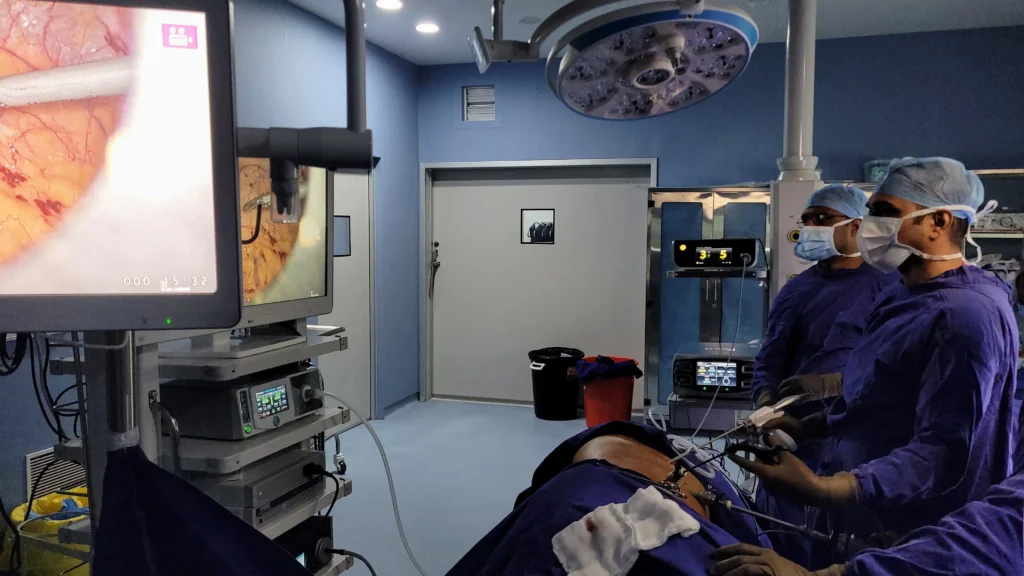
At Kokilaben Hospital, Dr. Vikas Singh performs the donor’s kidney removal laparoscopically, using small keyhole incisions instead of a large open cut. This means less pain, less blood loss, and a faster recovery, most donors go home in 2-3 days and return to normal activity within 3-4 weeks.
This type of transplant uses a kidney from someone declared brain dead, where brain function has permanently stopped but the heart is kept beating on ventilator support. It’s made possible through the generous decision of the donor’s family, giving the recipient a new chance at life.
In India, deceased donor transplants happen through a government-regulated organ sharing system. Patients are placed on a waiting list and matched based on blood group, waiting time, and other medical factors. Since donor organs are limited, wait times can be long. While these kidneys typically last a bit less than living donor kidneys (around 10-15 years), they still offer a life-changing alternative to dialysis. Kokilaben Dhirubhai Ambani Hospital is a registered transplant center actively part of this donor system.
Under India’s THOTA law, living kidney donors fall into two categories:
Kidney transplants can be classified based on transplant type, and the type of donor organ and its relationship to the recipient among many factors, and summarised as follows:
Indian law under the Transplantation of Human Organs and Tissues Act (THOTA) separates living donors into two broad categories: near relatives and unrelated donors:
Paid or commercial organ donation is illegal in India under THOTA and can lead to serious consequences. Dr. Vikas Singh and the team at Kokilaben Hospital ensure that all kidney transplant activities are 100% legal and ethical.
It is not as simple as stating every patient with kidney failure can receive a transplant, and every willing donor can provide a donation. Preparatory medical assessments on both sides, recipient, and donor, are crucial components of planning kidney transplant surgery.
Medical Criteria for Recipients
For the most part, there are no other requirements aside from the following for one to be eligible for a kidney transplant:
Patients are not ruled out completely in the presence of controlled cardiovascular disease, diabetes, and obesity, but these conditions will make the patient a higher risk. These conditions are assessed individually and one can expect that a nephrologist and other specialists in transplant surgery will work together in eliminating or improving the medical condition before a surgery is offered.
Patients are not completely ruled out by being elderly as there is no upper age limit. Many patients in their 60’s and 70’s can and have received successful transplants. Each case is assessed to determine the patients overall health and biological fitness.
Medical Criteria for Donors
Living kidney donors are all required to go through rounds of extensive evaluations to assess that it is a safe procedure for them and that the kidney will be able to perform adequately in the new host. Some of the criteria include the following:
Assessments for donors consist of blood and urine examinations, CT angiography (which evaluates both the kidneys and blood vessels), cardiac assessments, and psychological evaluations. Donors are only cleared for surgery after all tests affirm that donation would be safe.
Kidney Transplantation is a planned procedure and is carried out in multiple stages. Knowledge of the steps in the process provides the patient and their attendants a sense of preparedness and helps manage expectations
Before surgery is scheduled, both recipient and donor must first complete a working up process at Kokilaben Hospital, beginning with:
In order for the donor to complete all the above tests, they must undergo a CT angiogram of the kidneys to assess kidney anatomy and blood supply to determine the safest and MOST optimal kidney for donation.
Of significant consideration, aside from the crossmatch test, are the following:
In a standard kidney transplant, the donor and recipient have to be of the same ABO blood group. For example, blood group O donor can give to an O recipient; an A donor can give to an A or AB recipient. A willing family donor can be incompatible by blood group, and a swap transplant with other pairs may be considered
Human leukocyte antigen (HLA), a group of structures on the surface of cells, are markers which can be used to identify cells. For a given transplant, a closer HLA match is associated with longer survival of the transplanted kidney and fewer episodes when the body rejects the transplant. There is no perfect matching possible, and HLA matching is one of the many factors considered when making the overall assessment
In terms of transplant compatibility, this is the most crucial test. The recipient’s blood serum is mixed with the donor’s cells. If the recipient’s immune system reacts with an aggressive response (positive crossmatch), then the transplant cannot proceed because the immune system will attack the transplanted kidney. A negative crossmatch means there is no immediate rejection reaction; hence, the transplant is a go
In some instances, blood group incompatible or crossmatch barriers can be addressed by the use of a desensitisation protocol involving plasmapheresis and immunomodulation. This is done at a specialized transplant centre and requires a lot of planning
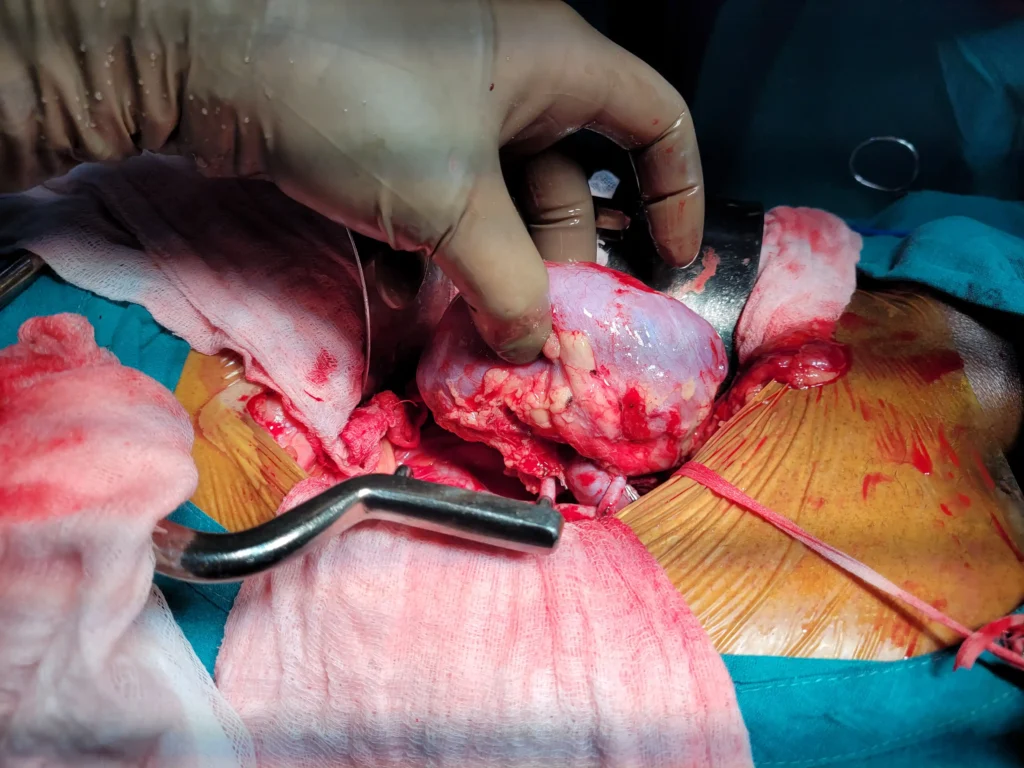
The transplant surgery takes 3-4 hours under general anesthesia. Dr. Vikas Singh makes an incision in the lower abdomen and places the donor kidney in the pelvic region, ideal for connecting to nearby blood vessels and the bladder. The donor kidney’s ureter is linked to the recipient’s bladder, and its blood vessels are joined to the pelvic arteries and veins to restore blood flow.
Once blood flow is restored, the new kidney often starts producing urine right away, a great early sign. In some cases, especially with deceased donor kidneys, this can take days or weeks, during which dialysis may still be needed. After surgery, a catheter and sometimes a drain are placed, and the patient moves to recovery, then to post-transplant care, where the team closely monitors kidney function, blood pressure, and any signs of rejection
In the days and weeks after surgery, your new kidney is closely monitored through regular blood and urine tests at Kokilaben Hospital. You’ll also start immunosuppressive medication right away to prevent your body from rejecting the transplant.
Most patients go home after 5-10 days if there are no complications. Follow-up visits are frequent at first, every few days initially, then gradually spacing out to monthly and quarterly as your kidney function stabilizes.
You’ll need to take immunosuppressive medications, like tacrolimus and prednisolone, for as long as the transplant is functioning. Doses usually start higher and are gradually reduced over time as the risk of rejection drops
A transplant brings a major shift in quality of life, freeing you from dialysis and often restoring a noticeable boost in energy. But recovery isn’t just about feeling better, it comes with real responsibility.
Taking your anti-rejection medications daily becomes essential, missing doses risks your body rejecting the new kidney. Most patients are prescribed a combination of prednisolone, tacrolimus, and mycophenolate mofetil (MMF). These dosages aren’t fixed for life, they’re adjusted over time based on regular blood tests and kidney function checks.
Follow-up visits are frequent at first, often weekly for blood tests, but as your kidney settles in, Dr. Singh will space these out to monthly, then quarterly, based on how well your levels stabilize.
After a transplant, most of the fluid and potassium restrictions from dialysis are lifted, giving you more freedom with food choices. A heart-healthy diet, rich in vegetables, whole grains, and lean protein, is recommended to protect both your heart and new kidney. Since some medications can lead to weight gain or higher blood sugar, staying active and maintaining a healthy weight is important. Avoiding smoking and alcohol is also strongly advised.
Since immunosuppressive medications lower your immunity, infections become a bigger risk. Watch closely for unexplained fevers or unusual symptoms and report them to your transplant team right away. Non-live vaccines are safe, but live vaccines should generally be avoided after transplant.
The first year carries the highest risk of Acute Rejection, your body’s immune response to the new kidney. Signs include rising creatinine levels, reduced urine output, swelling, and fever. Caught early, it’s usually treatable with a short course of steroids and other medication.
Most patients return to daily activities and light work within 4-6 weeks, with driving usually possible in the same timeframe. Avoid heavy lifting or strenuous activity for the first three months. Women should talk to their transplant team about medication effects before planning a pregnancy, it’s generally advised to wait 1-2 years post-transplant.
Risks & Complications of Kidney Transplant – What You Should Know
Kidney transplant is major surgery, and like all major surgeries, there are associated risks. Dr. Vikas Singh believes in transparency. People should understand both the good and the bad before deciding.
Surgical Risks – As with any surgery that requires general anaesthesia, there are risks of bleeding, blood clots, infections in the wound, and complications related to the anaesthesia itself. Pre-operative assessments and the anaesthetists paired with surgeons at Kokilaben Hospital, help reduce these risks.
Delayed Graft Function (DGF) – Transplanted kidneys, especially with deceased donor kidneys, may take a long time to start functioning. Patients may continue to be on dialysis, but it is usually temporary. Most kidneys that are delayed do eventually start functioning.
Acute Rejection – This is the most important complication in the first year. The donor kidney is registered as a foreign object, and an immune response occurs. If this is caught in time, and it is treated with an adjustment to immunosuppression, there is usually no permanent damage to the kidney.
Chronic Rejection – Transplanted kidneys can fail due to chronic rejection. The kidneys are gradually and slowly damaged due to the immune system. The most effective way to combat this is taking medications as prescribed, and consistent follow up.
Infections: due to the nature of immunosuppressants, infection of some kind will occur post transplant. More common infection will be of the Broncho Pulmonary system (Pk). The use of body-sampling-antiviral medications are to cover the post transplant patient while they perform surgery and place the various body-sampling-antiviral medications.
Side Effects of the Medication: Most common infections due to the nature of the body-sampling-antiviral medications are bone thinning, risking fractures, skin, and various infections. Long-standing infections of the body can occur due to many various reasons.
If the transplanted kidney fails, due to prolonged infections, the patient can start with the dialysis process again. If the patient has multiple infections, they will be placed again, to wait on the transplant list.
Understanding which of the above infections do occur is worth it. For many without the transplant, there is a vast range of benefits, compared to the post transplant dialysis. The team at Kokilaben Hospital are with each patient and actively working with the various and best team, which can be aligned with the great level of East/West, while the level of the various medications are at the transplant patient level.
Why should you choose Dr. Vikas Singh for Kidney Transplants in Indore?
Surgeon selection is always going to be the most important choice to make to you and your family. This is why numerous families across central India have placed their trust in Dr. Vikas Singh.
Dr. Vikas Singh is India’s youngest surgeon to single handedly achieve the landmark of 100 Transplants. In addition, he has been a part of \5\00 other transplants across various institutions like \PG\I Chandigarh, Max Super Speciality \H\ospital New Delhi, \S\MS Medical College Jaipur. This type of experience is uncommon in major metros and is available at large volume transplant centers.
Dr. Vikas Singh has been a key surgeon in bringing the most modern kidney transplant surgery to numerous hospitals throughout Madhya Pradesh and other states in the republic. One of Dr. Vikas’s impressive attributes is that he made a personal commitment to make this life-saving surgery available to the population of India, specifically to central India, which exemplifies a great deal of his professional legacy.
Dr. Vikas Singh uses the laparoscopic (keyhole) technique for operating on the living kidney donors. This technique, is associated with a lower level of post operative surgical pain, less blood loss and significantly shorter recovery time when compared to open surgery. This makes the decision to become a living kidney donor, much less of a burden to the donating family member.
PGI Chandigarh, Max Hospital New Delhi, SMS Medical College Jaipur, Choithram Hospital Indore - Training by Dr. Vikas Singh is as good as it gets in Urology and transplant and more than just understanding the full complexities of renal transplant. He gets training in the full breadth and depth of high volume complexity.
Dr. Vikas Singh and his team manage every balance of the transplant continuum - from the first evaluation and donor workup, to the setting, and hospitalisation and followup, that spans years. Patients are not forgotten and dropped - they receive constant, persistent, seamless, integrated service, relatively to a team that is well acquainted with their case.
Kokilaben Dhirubhai Ambani Hospital, Nipania, Indore is outfitted with state of the art construction models of theatres, construction models of intensive care units, construction model of modern labs, and construction models of assorted team of nephrology, anaesthesia, and transplant coordination, construction models of everything required and more for the safe and successful performance of renal transplantation.
Posted on GoogleTrustindex verifies that the original source of the review is Google. Dr vikas singh is best urologist in IndorePosted on GoogleTrustindex verifies that the original source of the review is Google. Nice treatmentPosted on GoogleTrustindex verifies that the original source of the review is Google. My treatment given by Dr vikas sir he is best doctorPosted on GoogleTrustindex verifies that the original source of the review is Google. Best doctorPosted on GoogleTrustindex verifies that the original source of the review is Google. Hm log shivpuri se dr vikas sir ko dikhane aaye, sir se milkar bahut acha lga, nature or treatment bahut sahi hePosted on GoogleTrustindex verifies that the original source of the review is Google. Nice doctorPosted on GoogleTrustindex verifies that the original source of the review is Google. Very experienced and caring doctor. Excellent treatment and patient-friendly approach. Highly recommended.”Posted on GoogleTrustindex verifies that the original source of the review is Google. On dt27.06.2026 dr.vikas singh performed my prostatomegaly surgery by Urolift method . I am now fealing very well.Within two days l got discharged from Kokilaban Dhirubhai Ambani hospital Indore (MP).I am very thankfull to this very new method Urolift,Dr.Vikas singh sir and BCM Kokilaben Dhirubhai Ambani hospital,Nipania Indore. ByAdarsh kumar pauranik.Posted on GoogleTrustindex verifies that the original source of the review is Google. Good experience for testis treatment for my son
Kidney lifespan for a living donor transplant is approximately 15-20 years. For a deceased donor transplant, kidneys last about 10-15 years. Certain measures may also allow for transplanted kidneys to last beyond these averages. Measures include excellent adherence to medication, a healthy lifestyle, and a consistent transplant clinic follow-up. In patients where a transplanted kidney fails, dialysis may be reinstated. An additional transplant is also a possibility.
Yes, living kidney donation is safe for the majority of donors. Humans have two kidneys, and being a donor means only having one. Healthy donor candidates report comparable life outlooks and living experiences to peers of the same age and health status, who have not donated a kidney. The donor surgery is performed by laparoscopy by Dr. Vikas Singh and is also less of a burden to the donor.
Typically, kidney recipient and donor blood group compatibility is required. In the case of a willing donor who is blood group incompatible, a swap (paired) transplant is an option, where two incompatible pairs of donors are exchanged so both recipients get a compatible kidney. In certain specialist centres, there are also ABO incompatible transplants with dessensitization. Dr. Vikas Singh will help determine the best option for you.
In India, the average wait time for a deceased donor kidney is highly state-dependent, and can vary based on the blood group, kidney demand, and organ supply. India has a disproportionately high demand for deceased donor kidneys, thus, living donor transplants, when possible, are highly encouraged as it eliminates the wait time.
In Indore, under the care of Dr. Vikas Singh, and at Kokilaben Dhirubhai Ambani Hospital, all forms of kidney transplants (both living and deceased donor) are available. It is no longer required for kidney transplant surgery to be travelled for patients from Madhya Pradesh and Central India to Delhi or Mumbai, we have world-class transplant care in Indore.
For experienced surgeons, India has a one year success rate of over 95% for transplants from living donors. Achieving a one year success rate for transplant surgeries from deceased donors is 85 to 90%. However, outcomes are greatly affected by the patient’s overall health and adherence to post-surgery medication. Dr. Vikas Singh’s team has outcomes that are consistent with these numbers.
Yes, the remaining kidney undergoes something called compensatory hypertrophy, where it increases its function to ~70-75% of what both kidneys provided. ThIs is more than enough for normal, healthy daily living. Most living kidney donors continue to live normal lives after the donation, without any significant, detrimental, long-term effects on their health.
Yes, there is no age limit for receiving a kidney transplant. Patients in their 60s, 70s, or older can receive a transplant, as long as the person is medically fit enough to receive the procedure. It is a decision based on the complete evaluation of the person’s health, cardiac health, and life expectancy, not strictly based on age. Dr. Vikas Singh treats older patients individually and do not dismiss patients simply because of age.
Post-transplant, patients are on a lifelong regimen of daily medications called immunosuppressive medications. For as long as the kidney is functioning, which is usually for life, patients are on these medications. These medications include tacrolimus, mycophenolate mofetil (MMF), and a low dose steroid. These are the main medications and specific dosages are adjusted at each follow up. These medications are what keep the kidney functioning, therefore, patients are at an increased risk of rejection and losing the kidney, if they stop the medications.
You may call the number or visit the address. All relevant medical reports will be required. This includes your kidney function reports, dialysis reports, and imaging like ultrasounds or CT scans, as well as your current medications. After the initial consultation and assessment, options will be outlined, and the next steps will be explained by Dr. Vikas Singh.