Men with an enlarged prostate have suffered for personal reasons far too long with dangerous and unrewarding options. For too long, men have been faced with a surgery that may threaten their sexual function, or a medication that is a temporary and ineffective solution. With Rezum, there is no need to choose between options that have no rewards.
Rezum Water Vapour Therapy is a minimally invasive, clinically proven, and FDA-approved treatment for Benign Prostatic Hyperplasia (BPH). It uses steam to vaporize extra prostate tissue. It is a ten minute, safe, and effective treatment that does not require lasers, knives, or a permanent item to be implanted. There is almost no anesthesia needed for the procedure.
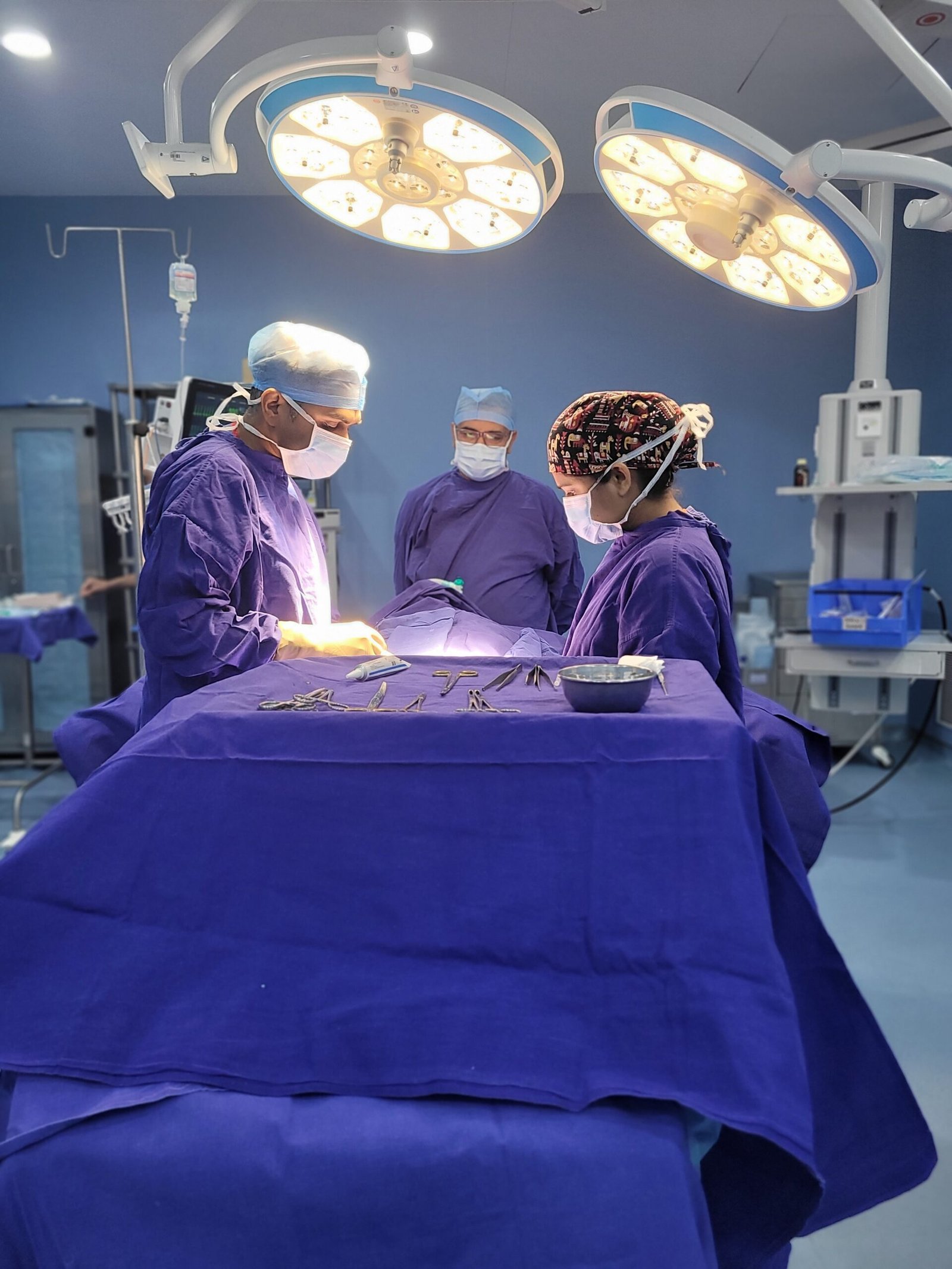
Dr. Vikas Singh is a Consultant Urologist at Kokilaben Dhirubhai Ambani Hospital, Nipania, Indore. He offers multiple treatment options for benign prostatic hyperplasia (BPH), including UroLift, iTind, TURP, laser enucleation, and Rezum. For men who want to keep their sexual function and want to avoid invasive and complicated surgery, Rezum is the way to go for men with BPH, especially if the average lobe of the prostate is involved.
For benign prostatic hyperplasia, Rezum is a water vapor therapy administered transurethrally. This is done fully through the urethra, which means there is no external tearing or cutting. The Rezum system consists of an advanced cystoscopic device that delivers bursts of steam directly through the obstructive, enlarged prostate tissue that closes the urethra.
When steam is delivered to the prostate tissue, the heat causes the tissue to coagulate. The steam that is forming/vaporizing now is condensing into liquid, and the steam is wiping out that tissue. The dead tissue is reabsorbed, and the urethra and prostate tissue will no longer be in the body, and the urethra will no longer be closed.
With Rezum treatment, after only one procedure that takes a maximum of ten minutes, the symptoms of benign prostatic hyperplasia will be greatly reduced, and the muscle in the prostate will be reduced.
Water is unique because when it is converted into steam, it absorbs and stores large amounts of energy, which is known as the latent heat of vaporisation. When it is ‘steamed’ into tissues, and later, condensed back into water, it releases that stored energy to the cells surrounding the tissue.
The Rezum device sends 9-second bursts of steam, at a maximum temperature of 103 degrees Celsius, through a small needle that is deployed from the cystoscope into the prostatic tissue. About 480 joules of heat are delivered to a specific part of the prostate tissue through each burst and an ablation zone of about 1 to 1.5 cm in diameter is created.
Within the ablation zone, the obstructing prostate tissue cells are destroyed by a phenomenon called convective water vapour ablation. At the cellular level, the damage is instantaneous, and over the next 4 to 6 weeks, the body’s natural immune cells (macrophages) along with inflammatory cells, invade the zone that has been ablated, clear the dead cells, and fill the zone with a constricting form of tissue repair known as scar tissue, which decreases the size of the prostate and in turn, improves the urethral channel.
Depending on the number of lobes (up to six lobes) and prostate size, one to three procedures can last only about two minutes, with less than two minutes of steam delivery. The average treatment, including cystoscopy and assessment, takes about seven to ten minutes.
Most patients query Rezum’s efficacy in tissue ablation without cutting or laser. Water vapor is a powerful conductor of far more thermal energy than dry heat, and the uptake of energy by steam is even more efficient and thorough, and the drop in energy potential is gradual and not radiation, even more penetrating tissue of the target region.
The treatment leaves the adjacent structures, which are the urethral sphincter, neurovascular bundles, heating, and even ablation, sparing the vapor causing the steam, even during treatment. The ducts are variously named, depending on the treatment depth and the ablation zone, causing the ducts to extend in various ways.
No implant placement means the prostate tissue is entirely consumed and what is destroyed is reabsorbed. Rezum leaves nothing in the tissue after treatment. The process is: steam in, tissue out, and the channel is now wider.
Rezum is good for those with an IPSS score above 13 and typical prostate volumes between 30 and 80 grams (Rezum has been used in some studies for prostates up to 150 grams). Rezum is good for men with prostate problems that affect the quality of their lives and those who want procedures that are longer-lasting than medication but not as invasive as traditional surgical procedures.
Rezum’s biggest clinical advantage is that it preserves sexual function and continues preserving it. Rezum’s steam therapy selectively targets nourishing prostate tissue and spares nerves. This is true for Rezum and even in divertive procedures. Rezum is good for men who want to maintain their ejaculatory and erectile function but still need to undergo surgical treatment for BPH.
The Rezum procedure requires a short 7 to 10 minutes to complete the whole process. The procedure is done with the help of light sedation and a local anaesthesia. Because of the nature of the procedure, patients do not require a general anaesthesia nor a spinal block, meaning there are no cuts and therefore no stitches to be done leaving no choice but for the patient to remain overnight in the hospital. Instead of spending the night in the hospital, most patients go back home in 1 to 2 hours. Rezum is the go-to for men looking for a solution to their growing BPH in a way that is not disruptive and requires no major surgery.
There are 3 standard treatments for BPH, as they are the most common. Medicinal treatments BPH patients take are Alpha-blockers, which include tamsulosin, and there also 5-alpha-reductase inhibitors, including finasteride. Although patients achieve the intended result, over time, they lose symptom relief. The symptoms worsen as the prostate continues to grow. For patients looking for the most effective way to manage worsening symptoms, the Rezum procedure is the most effective option.
Rezum’s treatment of the median lobe is a big advantage over UroLift and iTind. The median lobe is the lobe that grows toward and obstructs the bladder outlet. Rezum can treat this. iTind is not a median lobe treatment. UroLift can also treat a median lobe with an implant, but that would be a decision maker to refer to a physician with that implant skill. Rezum steam can be injected into the median lobe tissue, resulting in tissue death and reabsorption of the obstruction. This reinforces the fact that Rezum is the best minimally invasive alternative for patients. This is especially true when there is a large median lobe in the imaging.
When a man first visits a clinic for BPH symptoms, they usually complain about a weak or scattered stream of urine. This is usually the first result of a blocked prostate. After Rezum treatment, the obstructive symptoms due to excessive prostate growth are alleviated, thus significantly improving the urinary stream in a man. In the WATER trial, it was found that a total improvement of over 50% in the urinary flow rate and voiding symptoms was established after a year of treatment.
One of the most severe symptoms of BPH is nocturia. Rezum treatment relieves symptoms of obstruction to the urinary bladder and overactivity of the bladder caused by an obstruction so that the majority of the patients reported improvement in the frequency and nocturia symptoms as early as 6 to 8 weeks of post-residual treatment.
Chronic obstruction to the urinary bladder causes an overactivity of the bladder muscle known as the detrusor muscle. This is the cycle of frequent, difficult-to-suppress the urge to urinate. Rezum treatment alleviates the symptoms of obstruction so that the patients are able to regain control of their urinary bladders. Rezum treatment allows for significant improvement of the urge and control so that most patients are able to achieve 6 weeks after the symptoms of detrusor overactivity.
Urinary retention and high post-void residual (PVR) volumes lead to frequent urination, discomfort, and recurrent urinary tract infections. Rezum’s clinical studies show a significant reduction in PVR following treatment due to a decrease in outflow resistance, allowing for a more complete bladder emptying with each void.
A common symptom of obstructive BPH is having to push, strain, or bear down to start or maintain urinary flow. Urinary flow is obstructed due to the prostate squeezing the urethra. Rezum alleviates prostatic obstruction and, therefore, straining is reduced, making urination easier, faster, and more natural. Most patients report improvement within the first 2 to 4 weeks following the initiation of tissue reabsorption.
Step 1 - Preparation
A local anaesthetic is applied to the urethra to numb the area, and is usually done in combination with conscious sedation. The area is cleansed, which is termed as ‘prepping’ the perineum.
Step 2 - Cystoscopy and Assessment
The urethra is entered, and a RezUm cystoscope is used to assess the lobe of the prostate. Dr. Vikas Singh observes the median and the lateral lobes, the bladder neck, the verumontanum, and the configuration and size of the lobes to determine the depth of the bladder.An injection and other further treatment might be required.
Step 3 - Steam Delivery to Lateral Lobes
The needle is pushed into the first lateral lobe while still extended. The first burst of steam that does the work is given and is administered for 9 seconds. The needle can be repositioned to provide the first lobe with a higher concentration of steam at the lap of the lobe and lesser concentration of steam at the ab of the lobe. The number of injections this lobe receives is determined by the size of the lobe itself, and can be noted to be 2 to 4 for each lateral lobe. This process is repeated 9 seconds for every injection
Step 4 - Median Lobe Treatment
If a median lobe is present, the steam delivery needle is further advanced to the median lobe and 1 to 2 steam injections are given. This process is dependent on Rezum’s median lobe obstruction treatment, a feature not common to the UroLift and iTind systems.
Step 5 - Conclusion
The cystoscope is completely pulled out, and a urinary catheter is inserted, since the post-ablation swelling in the urethra is temporary, but can shut down the passage of urine completely. The catheter will be in place for about 5 to 7 days. There are means set in place to control the time of discharge for every patient, and is done after a post procedure observation that lasts for between 30 and 60 minutes.
The Rezum procedure, including preparation and cystoscopy, typically only takes between 7 to 10 minutes. Steam therapy is the active treatment component and takes under 2 minutes. Local anesthesia with IV sedation is the standard, but some patients opt for complete general anesthesia. Patients commonly report that the procedure is comfortable with only the local anesthetic and IV sedation. Because the procedure is short and does not utilize general anesthesia, discharge occurs between 1 and 2 hours.
A urinary catheter is needed for the first week after the procedure. Prostate tissue ablation leads to swelling, and a catheter alleviates pressure in the urinary bladder.
The catheter is removed 7 days post-op at a follow-up visit with Dr. Vikas Singh, where a voiding trial is conducted. The catheter is infection-controlled with antibiotics. An alpha-blocker (i.e., tamsulosin) is administered for the first month to reduce bladder neck spasms. Lastly, follow-up occurs in 4 – 6 weeks to assess changes in urinary flow rate and IPSS.
Here is a side-by-side comparison of Rezum against the main BPH treatment alternatives:
Factor | Rezum | UroLift | TURP / HoLEP |
Tissue Removed/Destroyed | Yes – steam ablation, then reabsorbed | No – mechanical retraction | Yes – resected or enucleated |
Permanent Implant | None | Yes (UroLift implants) | None |
Median Lobe Treatment | Yes – direct steam injection | Limited | Yes |
Ejaculatory Function | Preserved ~89% (WATER trial) | Preserved >95% | Lost 50–90% |
Anaesthesia | Local + sedation | Local + sedation | Spinal or general |
Procedure Time | 7–10 minutes | 30–60 minutes | 60–120 minutes |
Catheter Duration | 5–7 days | 0–24 hours | 2–3 days |
Recovery | 2–4 weeks to full improvement | 3–7 days | 2–4 weeks |
Prostate Size | 30–80 g (up to 150 g in studies) | 30–80 g | Any size (HoLEP) |
Long-term Results | Excellent – 5-year data strong (WATER trial) | Excellent – 5-year data | Excellent – 10-year data |
No external incisions are made during Rezum, which is performed through the urethra. This results in no external incisions, no stitches, no visible scars, and the entire procedure takes less than 10 minutes. It is performed on an outpatient basis, wherein return home occurs within 1 to 2 hours. This is in stark contrast to TURP or laser enucleation surgeries, all of which require spinal or general anesthesia, remain in the hospital for 1 to 3 days, and need 2 to 4 weeks for recovery. Rezum is for patients with moderate BPH and is less complex and burdensome than treatments of the same condition.
The WATER trial, the first randomized trial for Rezum during its FDA approval, was the first BPH trial dedicated to measuring the preservation of ejaculatory function. Of the patients, 89% remained with ejaculatory function, which is scant compared to the 50 to 90% of patients in retrograde function after TURP or laser enucleation procedures. Rezum in the trial reported no negative changes in erections post-procedure. For males where sexual function is of concern, Rezum remains the optimum choice.
The median lobe is a normal variant where a lobe of the prostate extends vertically from the base of the gland. It projects into the bladder and obstructs the bladder neck. Median lobe obstruction can cause pronounced and severe voiding symptoms and can worsen the discomfort associated with BPH and other prostate lobes. The UroLift and the iTind devices effectively manage additional lobe obstruction of the prostate. The median lobe is largely unaddressed through the use of these devices. Rezum offers a solution through its targeted steam injections that ablate the median lobe through the direct destruction of the median lobe tissue. Rezum is the best choice that is minimally invasive for the median lobe case that is presented through the imaging.
One of the more established minimally invasive procedural outcomes for the treatment of BPH in the literature is the WATER trial. It offers five years of outcomes for the Rezum procedure. This trial has one of the most comprehensive and long-term data collection outcomes. At the five-year point, 79% of the subjects who underwent the Rezum minimally invasive surgical technique for BPH did not need to undergo any other surgical intervention for the treatment of their BPH. The data shows that the BPH symptoms measured by the International Prostate Symptom Score (IPSS) and their urinary flow and overall quality of life, were still improved five years after surgery. This information is very supportive for men that want to use a minimally invasive surgical option. The data that is available demonstrates that the Rezum technique has a very positive outcome.
The Rezum treatment is one of the less than 10-minute procedure-based BPH solutions. No anaesthesia, no large scars, no prolonged hospitalization. Removal of the catheter takes place at day 5 to 7, after which the majority of men return to light work in 1 to 2 weeks and to complete normal activities in 3 to 4 weeks. Patients generally notice the first reduction in symptoms, attributable to the body’s absorption of the necrotic gland tissue, at 2 to 3 weeks. The complete reduction in symptoms occurs at 6 to 8 weeks.
Rezum is more established than most treatments, and the potential risks are thoroughly documented from clinical studies and patient testimonials. Dr. Vikas Singh makes it a priority to discuss all potential side effects and risks with each patient before the treatment.
Blood in the Urine (Common – First 1 to 3 Weeks): Presence of blood in the urine is a very common sign for the healing of the operated tissues. This will be a self-limiting problem and will be aided by fluid intake of 2 to 3 liters maximum.
Urinary tract infection (Uncommon – 3 to 5%): During the catheter treatment as a preventive measure, antibiotics will be given and are continued for 3 days after the catheter days and are planned for 3 months. If during this time a UTI should be contracted, this will be treated.
Retrograde Ejaculation (Uncommon – Around 10 to 15%): Compared to TURP and laser enucleation, Rezum offers equivalent ejaculatory preservation. However, retrograde ejaculation happens in about 10 to 15% of cases, which is relatively high compared to UroLift (less than 5%) and iTind (approximately 0%). This difference must be noted in pre-surgery consultation, especially for men who are sexually active and want to maintain ejaculatory function.
Acute Urinary Retention Post-Catheter Removal (Uncommon – Around 5%): With catheter removal, a small number of patients have temporary urethral swelling coupled with urinary retention. This necessitates a temporary recatheterization. This rarely happens and resolves in a few days.
Rezum vs. iTind
iTind is a temporary implant that is removed after 5 to 7 days. iTind works via pressure-induced tissue remodeling, which causes no sustained implant or residual tissue remodeling. Rezum alters tissue via the destruction and permanent ablation of tissue via Prostate tissue Steam. Rezum, like iTind, left no device. Important to note, iTind is ineffective, whereas Rezum effectively treats the median lobe. iTind uses a no-catheter after device removal policy, while Rezum uses a 5 to 7-day catheter policy. Rezum and iTind, unlike TURP, both demonstrate protection of ejaculatory function, although Rezum is 10 to 15% and iTind is virtually 0% ejaculatory dysfunction.
Posted on GoogleTrustindex verifies that the original source of the review is Google. Dr vikas singh is best urologist in IndorePosted on GoogleTrustindex verifies that the original source of the review is Google. Nice treatmentPosted on GoogleTrustindex verifies that the original source of the review is Google. My treatment given by Dr vikas sir he is best doctorPosted on GoogleTrustindex verifies that the original source of the review is Google. Best doctorPosted on GoogleTrustindex verifies that the original source of the review is Google. Hm log shivpuri se dr vikas sir ko dikhane aaye, sir se milkar bahut acha lga, nature or treatment bahut sahi hePosted on GoogleTrustindex verifies that the original source of the review is Google. Nice doctorPosted on GoogleTrustindex verifies that the original source of the review is Google. Very experienced and caring doctor. Excellent treatment and patient-friendly approach. Highly recommended.”Posted on GoogleTrustindex verifies that the original source of the review is Google. On dt27.06.2026 dr.vikas singh performed my prostatomegaly surgery by Urolift method . I am now fealing very well.Within two days l got discharged from Kokilaban Dhirubhai Ambani hospital Indore (MP).I am very thankfull to this very new method Urolift,Dr.Vikas singh sir and BCM Kokilaben Dhirubhai Ambani hospital,Nipania Indore. ByAdarsh kumar pauranik.Posted on GoogleTrustindex verifies that the original source of the review is Google. Good experience for testis treatment for my son
With Rezum, the ablated prostate tissue is permanently destroyed. The tissue is then absorbed by the body and will not regrow. In inter-trial results, non-ablated, and non-member, non-removed prostate tissue continues to grow, with a recurrence in 5 years. Rezum is found to require 3/4 to 4/5 of inter-trial participants to obtain alternative modes with BPH. For the individuals who reach grafts, inter-trial findings indicate the options are left open for further Rezum, TURP, and/or laser hollowing.
Minimally invasive options for Non-anesthesia BPH, Rezum, and UroLift safeguard the mechanisms for coital functioning better than TURP. Rezum removes prostate tissue and does not require permanent placement of BPH tissue. In contrast to Rezum, UroLift places permanent implants. Additionally, in inter-trial findings, Rezum has also been found to be able to treat the median lobe, where UroLift is limited to the median. UroLift is also found to preserve coital ejaculatory mechanisms better than Rezum (5% vs. 10- 15%) with inter-trial findings, and also have a shorter horizon to recover. The selection to be made is more informed by the existence of a median lobe and the engagement of the BPH patient.
Yes. Following a Rezum procedure, a urinary catheter may be needed for approximately 5-7 days. After the procedure, it is common for the urethra to become inflamed, and a catheter aids in the drainage of urine, as the bladder will become excessively full. The catheter is easy to manage at home and will be removed at a follow-up appointment at the clinic. This indicates the primary difference between Rezum and UroLift procedures. UroLift requires a catheter for 0 – 24 hours.
Most patients will see improvement of urinary flow and grading of symptoms in about 2 – 4 weeks after the procedure. This can be largely attributed to the fact that the body begins to reabsorb the tissue that was ablated, and the prostatic channel expands. The full effect of this procedure is typically felt between 6 and 8 weeks. The WATER trial that was conducted showed lasting improvement of IPSS, Qmax, and quality of life, and sustained this result for a 5-year follow-up.
Prostates with a volume of 30 – 80 grams are generally ideal for Rezum. Several studies of prostatomegaly (enlargement of the prostate) with a weight as high as 150 grams have also concluded that Rezum can be used in this population with the use of multiple steam injections. For very large prostates (greater than 100 g), laser enucleation (HoLEP or ThuFLEP) may be the better choice as they provide more thorough and longer-lasting tissue removal. Dr. Vikas Singh will measure your prostate and provide you with the best advice for the best procedure.
The WATER trial showed that after Rezum, there were no statistically significant changes in erectile function. TURP and laser techniques that remove more prostate tissue do affect a percentage of patients. Rezum is a steam application that does not impact the erection function bundles.
Rezum is designed to cause very little bleeding. Clopidogrel, aspirin, rivaroxaban, and apixaban are used at Rezum with no perioperative changes. Only Dr. Vikas Singh will change your medication if necessary.
Yes. Rezum is the preferred gathering of techniques. The blood vessels and nerves that will be damaged by steam are given one, two, or even three injections with Rezum to result in a complete destruction of the median lobe.