
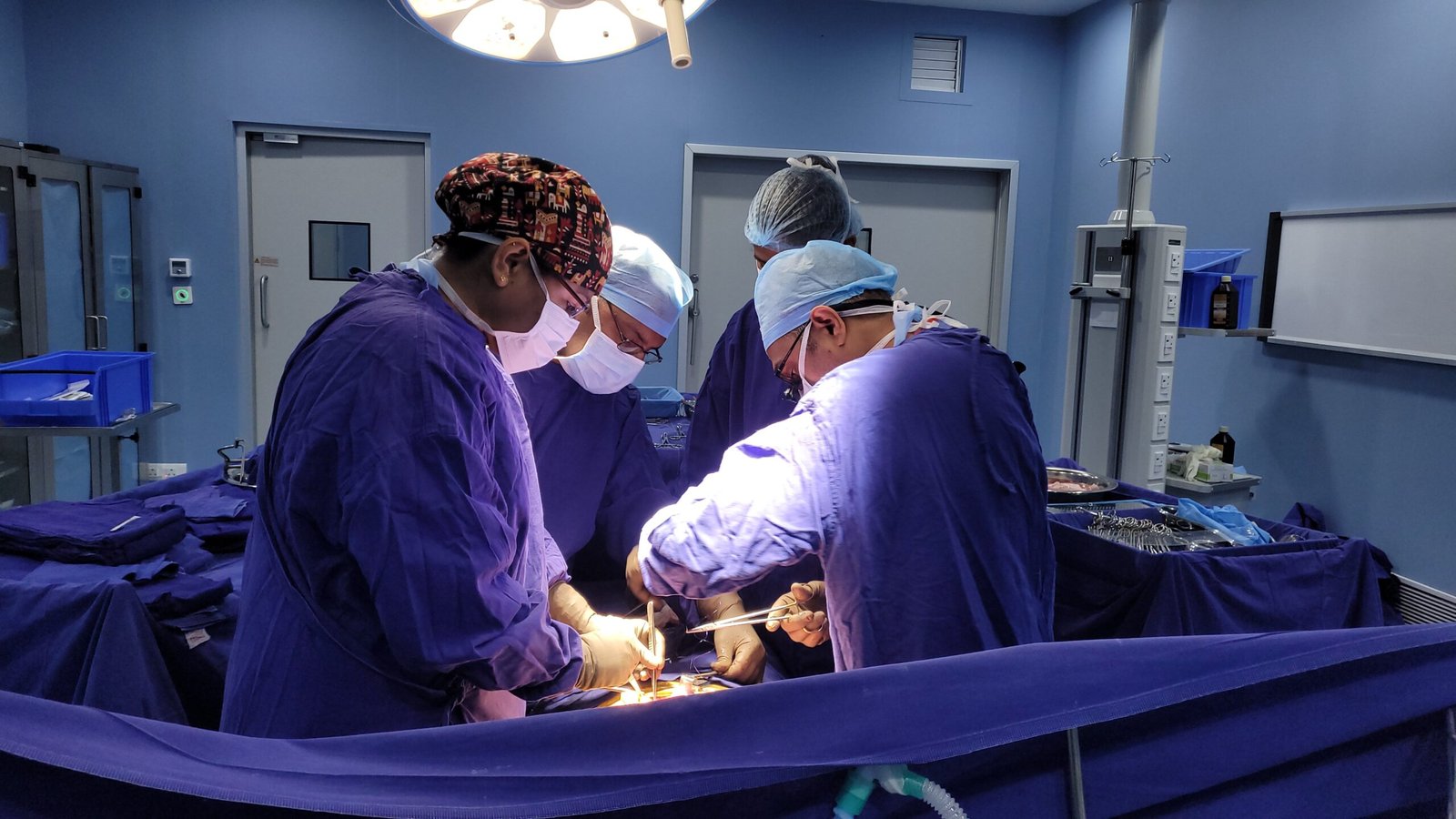
Have you been feeling like you need to urinate too frequently? Waking up at night in need of a bathroom break? Do you feel like your bladder just never completely empties? Your prostate may be to blame. A lot of men deal with symptoms like these, and less men are aware of how accessible treatments are. Prostate treatments are less invasive, and keep recovery times short, for an effective treatment.
Urologist of Indore, Robotic Surgeon, and Genito Urinary Oncologist, Dr. Vikas Singh, is willing to treat any sort of prostate concern you may have. Among the treatment options he provides are medications, and no incision procedures, like UroLift, iTind, and Cancer Surgery. Regardless of your prostate issue, treatment of advanced prostate cancer or Benign Prostatic Hyperplasia, you will receive individualized, professional treatment in Indore.
The prostate is a gland the size of a walnut in the male anatomy. It is located right below the bladder and it surrounds the urethra. This is the reason behind the close correlation between the prostate and any urinary issues that a man faces.
The prostate’s main role in male anatomy is to create seminal fluid and protect it in a way that it can transport sperm during ejaculation. This safe transport also plays a vital role in male fertility. This gland is crucial for male anatomy but it also becomes a painful island for males as they age.
In most cases, men experience growth in their prostate gland around the age of 40. This is called benign prostatic hyperplasia (BPH). This growth acts as a barrier to the urethra which means it can drastically affect the urination of a man. Prostate cancer is the most common type of cancer that is a type of malignancy in the male anatomy as well. Any of these issues, in their later stages, becomes quite complicated to deal with.
The good news in all of this is that if any of these patients act in a timely manner, the complications that any of these issues brings can be prevented. Both, BPH, and the initial stage of prostate cancer call for quite limited management. If they are diagnosed timely, all of these patients can, with the help of the appropriate treatment, return to the lives they lived previously without the need for substantial surgery.
BPH is the most prevalent prostate issue which afflicts the majority of men after they turn 50. As the condition of the prostate worsens, urination becomes increasingly difficult and uncomfortable. The prostate grows and the urethra is squeezed, further constricting the urinary passage. Additionally, BPH is not a cancerous condition and does not heighten one’s chance of getting prostate cancer. Untreated BPH does pose a great risk to your quality of life, including sleep, bladder health, and in extreme cases, kidney dysfunction.
After skin cancer, prostate cancer is the second most common cancer diagnosis among men around the world. Many early cases are asymptomatic, making PSA screenings crucial. Early detection also has an astounding recovery cure rate of greater than 95%. Treatment for prostate cancer that is offered by Dr. Vikas Singh in Indore is highly comprehensive. This includes everything from active surveillance for cancer that is low-risk to a packed spectrum of advanced staging of the disease multimodal treatment, surgery, and laser therapy.
Prostatitis is the inflammation of the prostate. This may be due to an infection, an unclear cause, or smoking. It is one of the most common urological conditions in men under the age of 50. Some symptoms of bacterial prostatitis are fever, chills, pelvic pain, painful urination, and urinary retention. Chronic non-bacterial prostatitis may result in pelvic discomfort, pressure in the perineum, or sexual dysfunction. With proper diagnosis and treatment, both forms are manageable.
Bladder outlet obstruction occurs when an enlarged prostate narrows the urinary passage. The bladder becomes more fatigued by the straining to push urine through the narrow channel. This causes the bladder muscle to weaken. Eventually, this can cause untreated the condition to result in bladder stones, recurrent UTIs, and progressive damage to the kidneys. Urgent medical attention and treatment are necessary to avoid damage to the organs in the long-term.
Urinary retention is the inability to completely empty the bladder, or in some cases, the inability to urinate at all. Urinary retention can either be acute or chronic, to varying degrees of severity. Acute urinary retention is considered a medical emergency and is usually followed by urgent catheter placement. Chronic urinary retention, while less urgent, can be dangerous over time. Urine can slowly accumulate in the bladder and can cause kidney damage and increase the risk of urinary tract infections. Chronic urinary retention can result in kidney damage. To alleviate urinary retention, the contributing mass in the urinary tract first needs to be removed. In cases of urinary retention in men, this mass can be an enlarged prostate
Most men attribute such symptoms to age and tend to ignore them. Some men even find it embarrassing to approach these problems. All these symptoms need to be evaluated and treated medically. These problems tend to be easier to treat if they are diagnosed and treated early and will help the patient return to the normal activities of life faster.
If your urine stream has weakened or begun to trickle rather than flow, or you have to exert yourself to pass urine, the cause may be an enlarged prostate narrowing the urethral passage. Many men adapt so gradually to the change, that they become unaware of the changes until the restriction becomes quite pronounced.
Nocturia is the term for repeatedly waking up during the night to urinate, and then having difficulty going back to sleep. Patients experience sleep disruption during the night, and during the day, they feel the effects mentally and physically. Because of this, nocturia is the most quality-of-life-affecting symptoms of prostate enlargement. The majority of men with this condition are unaware, but they should know that this condition is treatable.
Both terminal dribbling after urination and difficulty starting a urinary stream after you have a full bladder are characteristic features of an obstruction of the lower urinary tract and are neither normal for one’s age nor left unattended.
Even after urinating, you may have the feeling that the bladder hasn’t been fully emptied. This sensation is called incomplete voiding. This sensation is accompanied by the frequent, immediate need to urinate, only to result in urinating only a small amount. This becomes a cycle that can lead to the residual urine in the bladder to become infected, creating a cycle of UTIs and discomfort.
Visiting the doctor is essential if you find blood in your urine (haematuria) or semen (haematospermia), even just once. Blood in urine or semen is one of the tell-tale signs of BPH (Benign Prostatic Hyperplasia) with engorged blood vessels, prostatits, prostate cancer, or some other dangerous condition. There are other urological conditions that can become serious if not treated. An immediate urological assessment should be taken upon even just a singular incident of blood in urine
The key to high-quality prostate care is accurate diagnosis. Every patient is evaluated by Dr. Vikas Singh from first principles. This ensures that the right patient gets the right care at the right time.
PSA is a protein made by prostate gland cells, both healthy and cancerous. A blood test that measures PSA is the foundational test for screening and monitoring prostate cancer. PSA is not unique to cancer, so a single elevated PSA test is not enough. However, a significantly elevated PSA or a PSA that is rapidly rising is important and need further work up. Dr. Vikas Singh takes a more holistic perspective when interpreting the PSA levels and takes into account the patient’s age, the size of the prostate, PSA velocity, and the free-to-total PSA ratio. PSA testing is recommended at age 50, or at age 45 if there is a family history of prostate cancer.
The digital rectal examination is a quick check of the prostate that is conducted by the doctor by placing a finger in the rectum and feeling around the back side of the prostate gland in which it can give information about the prostate’s size, consistency, and surface texture which would be hard to get without the exam. The prostate might be of concern if it has a hard, artificial, or rigid texture. The DRE has a fair degree of complication with the PSA and together they can give a more comprehensive image of the prostate’s health.
Multiparametric MRI (mpMRI) is the leading imaging technique used before a prostate biopsy. It enables the detection of abnormal areas, extent of disease, and extracapsular spread of prostate cancer. Prostate MRI findings are published and scored according to the PI-RADS system, with the range from 1 (very low suspicion) to 5 (very high suspicion) for malignancy. Based on the mpMRI findings, a biopsy is either recommended or not, and the imaging findings ‘direct’ the areas of greatest suspicion to be targeted for biopsy
Tissue samples are gained via prostate biopsy when PSA and MRI findings are concerning enough. For years, biopsy procedures have included adapting a system which takes sample slices of the various zones within the prostate. Over the past few years MRI-fusion targeted biopsy has become a common way of making samples less random, by instead, superimposing the patient’s MRI images on the ultrasound images and guiding the needle precisely to the areas of the prostate of interest. Because of this, MRI-fusion targeted biopsy has been recognized for its ability to monitor the same patient’s leads in sampling pathology and identifying positive malignancy
Uroflowmetry measures average speed and volume and provides accuracy to the average urinary flow rate. If the maximum urine flow rate or Qmax is less than 10–15 ml/s, temporary or permanent bladder outlet obstruction is strongly suspected. Post-void residual, or PVR, measurement is obtained by performing a quick bladder ultrasound right after urination to determine the volume of urine that is left remaining in the bladder. With these additional tests, one can get a better, less subjective estimate to determine the degree to which the prostate is impacting the urinary function
The IPSS is a reliable and standardised global questionnaire made up of 7 urination symptom queries and one qualitative symptom question. Scores can be classified as mild (0–7), moderate (8–19) and severe (20–35) providing a standard for symptom tracking and measuring the impact of treatment over time
An undeniable advantage is the extensive variety of treatments available. Dr. Vikas Singh designs treatment to accommodate a patient’s age, prostate size, cancer risk, and overall health, including the preservation of sexual function and quality of life.
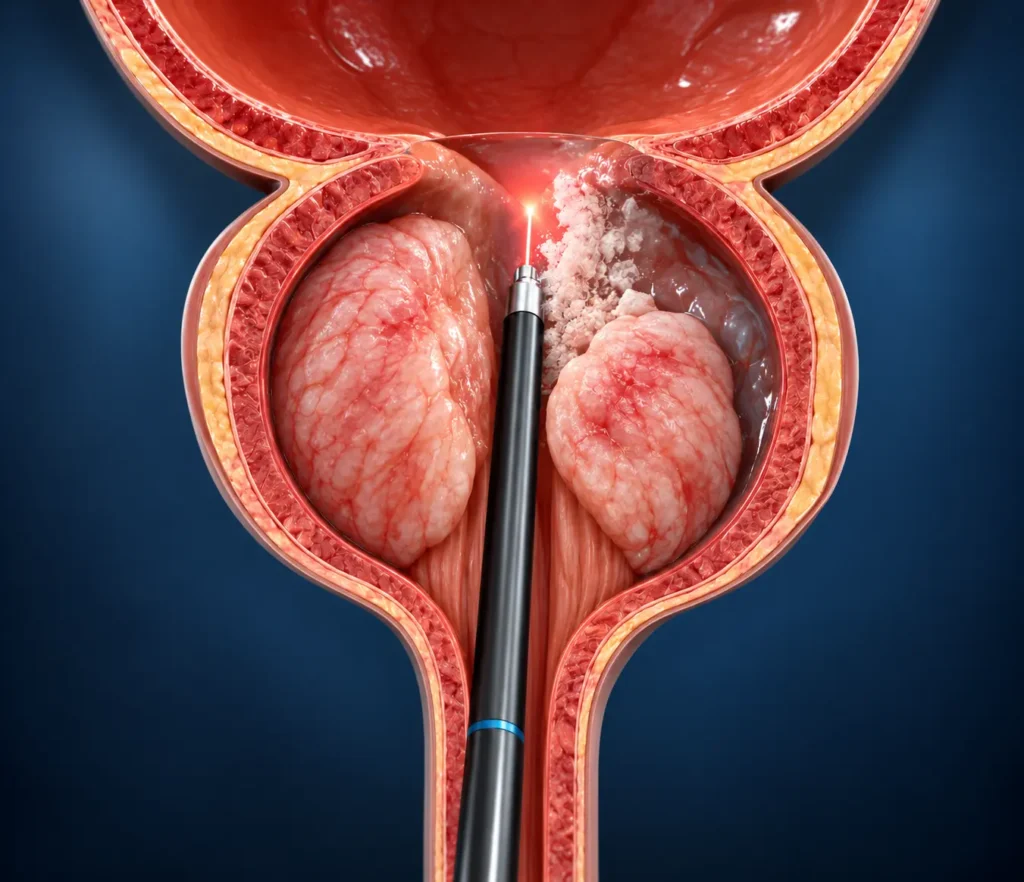
TURP treats an enlarged prostate without any cuts, using a small scope through the urethra to remove blocking tissue. Laser TURP adds more precision, less bleeding, a shorter catheter time, and is safer for patients on blood thinners. Both offer lasting symptom relief.
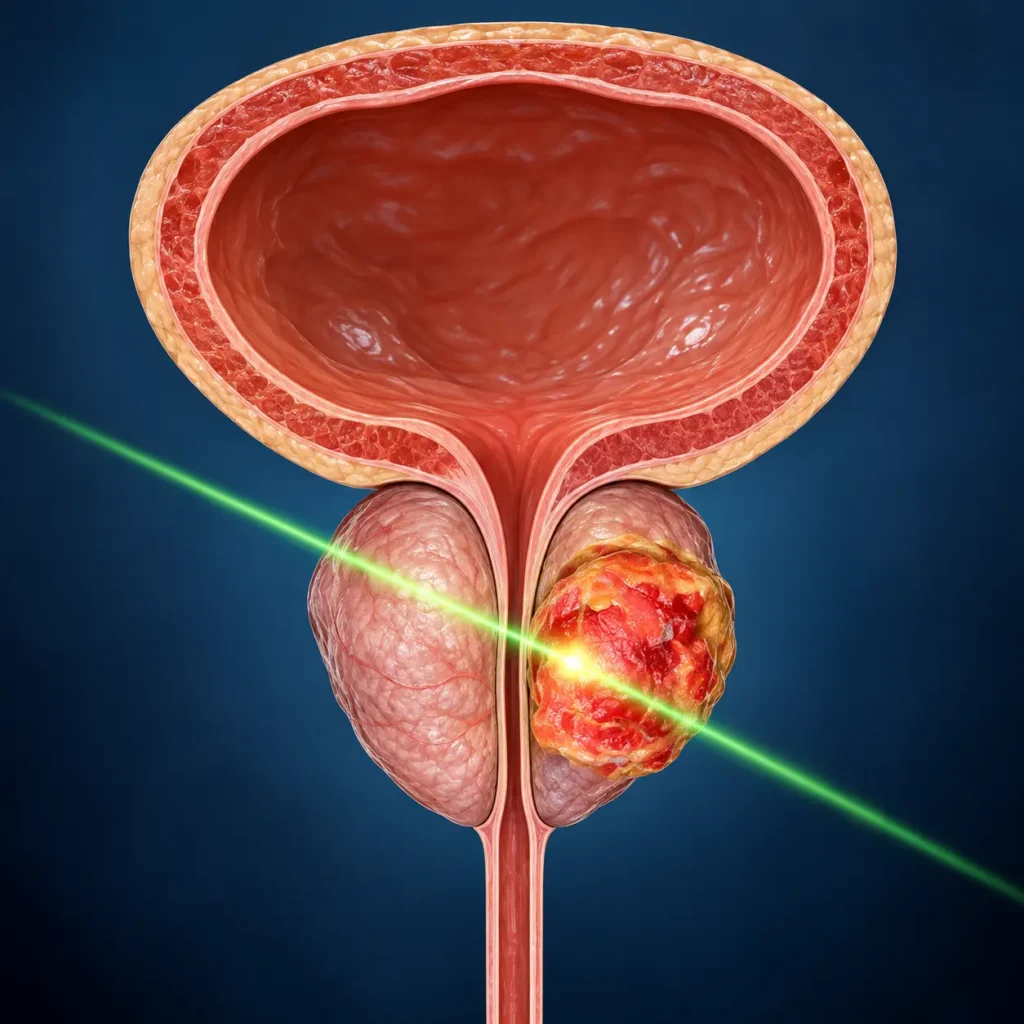
HoLEP and ThuFLEP are advanced laser procedures that remove the entire obstructing part of the prostate through the urethra, no size limit. They offer minimal bleeding, quick recovery, and lasting results. Dr. Vikas Singh is among Central India’s few surgeons skilled in both.
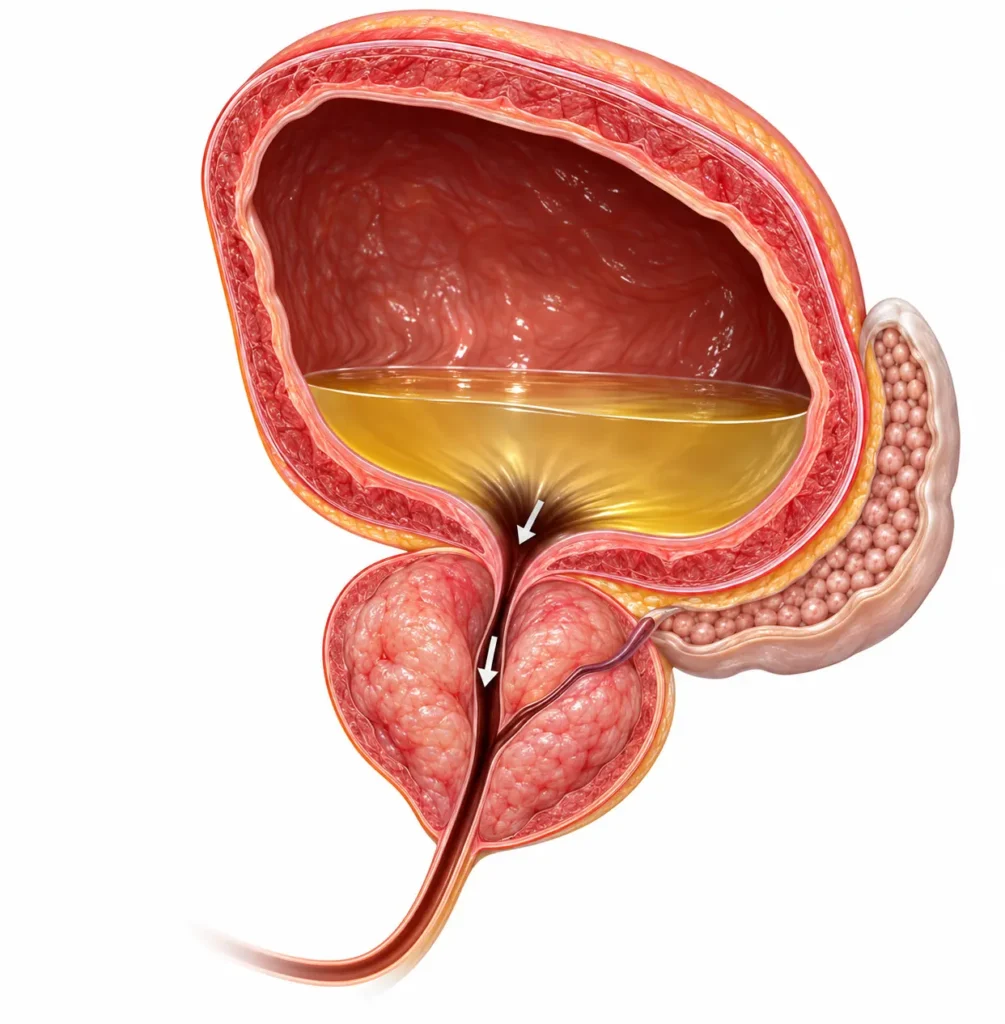
UroLift is a bloodless, FDA-cleared BPH treatment that uses small implants to lift and hold prostate tissue, widening the urethra. It takes under an hour, often under local anesthesia, and preserves ejaculatory function. Dr. Vikas Singh was Central India’s first UroLift specialist.
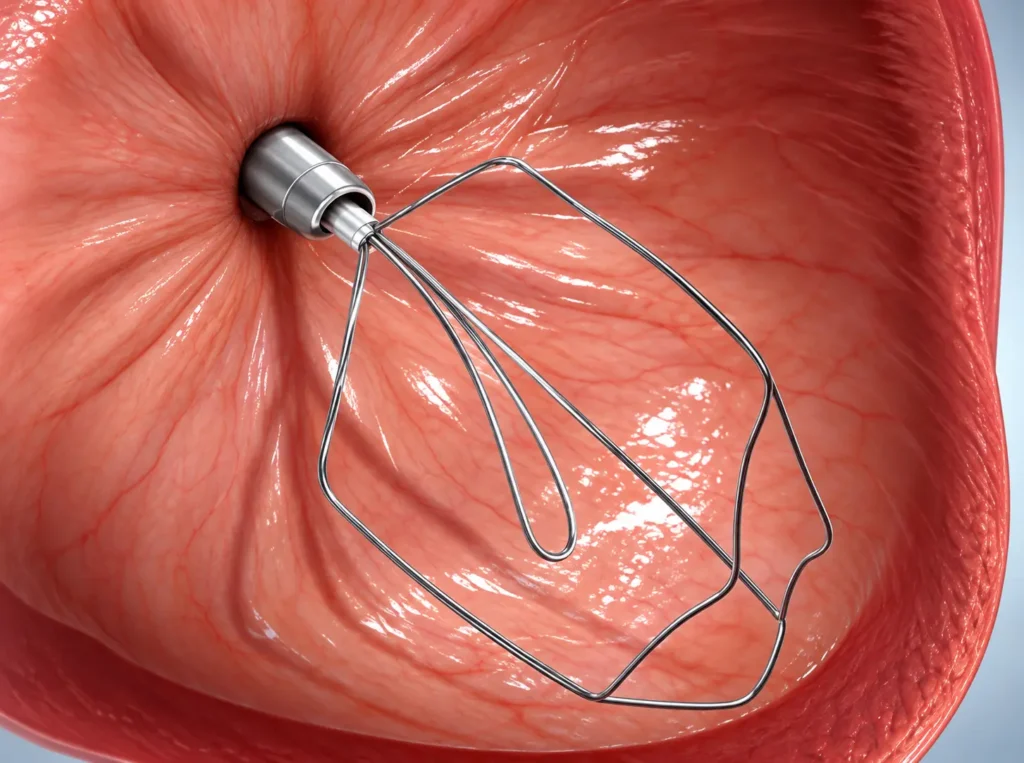
iTind is an incision-free, anesthesia-free BPH treatment. A temporary device sits in the urethra for 5 to 7 days, gently reshaping the channel without removing tissue. It preserves sexual function and is removed in a quick office visit. Dr. Vikas Singh was first in Central India to offer it.
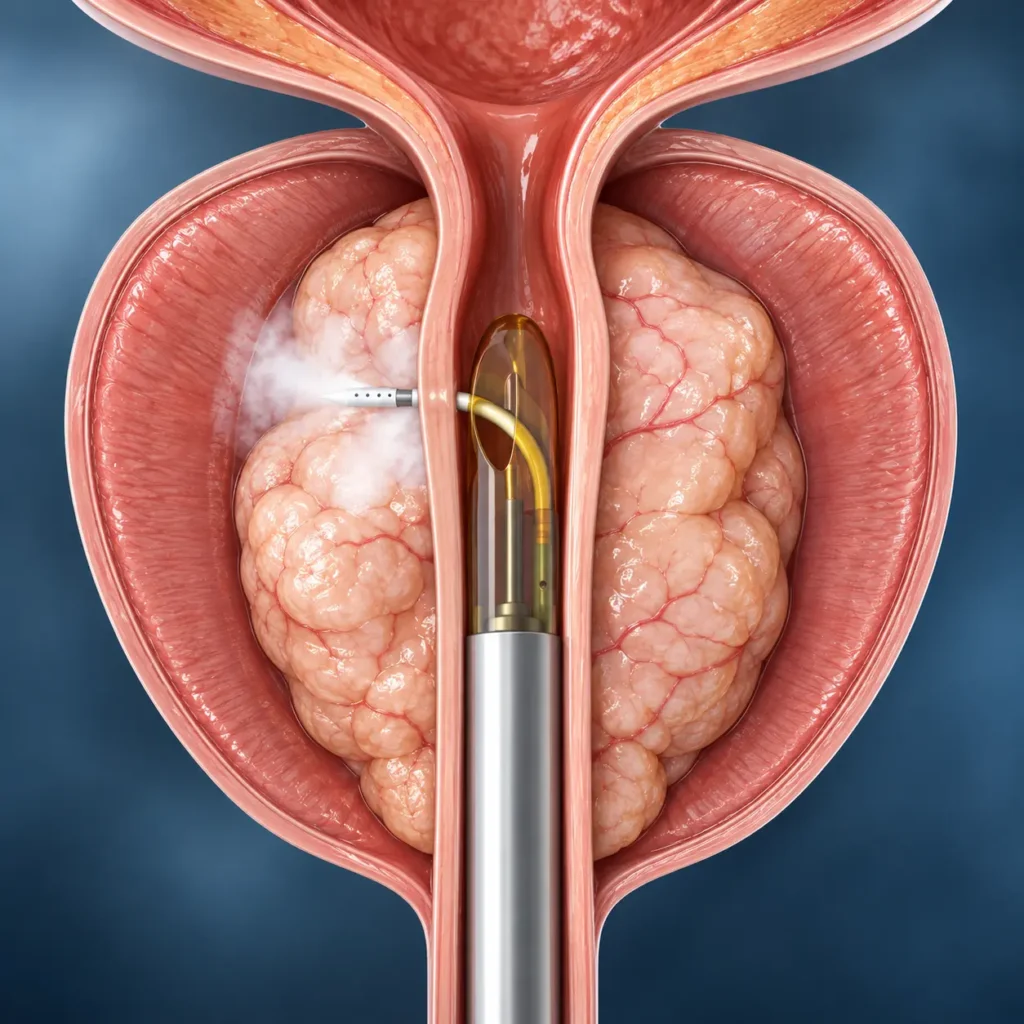
Rezum uses water vapor to shrink excess prostate tissue, widening the urethra over 4 to 6 weeks as the body naturally absorbs it. It’s an outpatient procedure with no incisions, and most patients keep their sexual function intact.
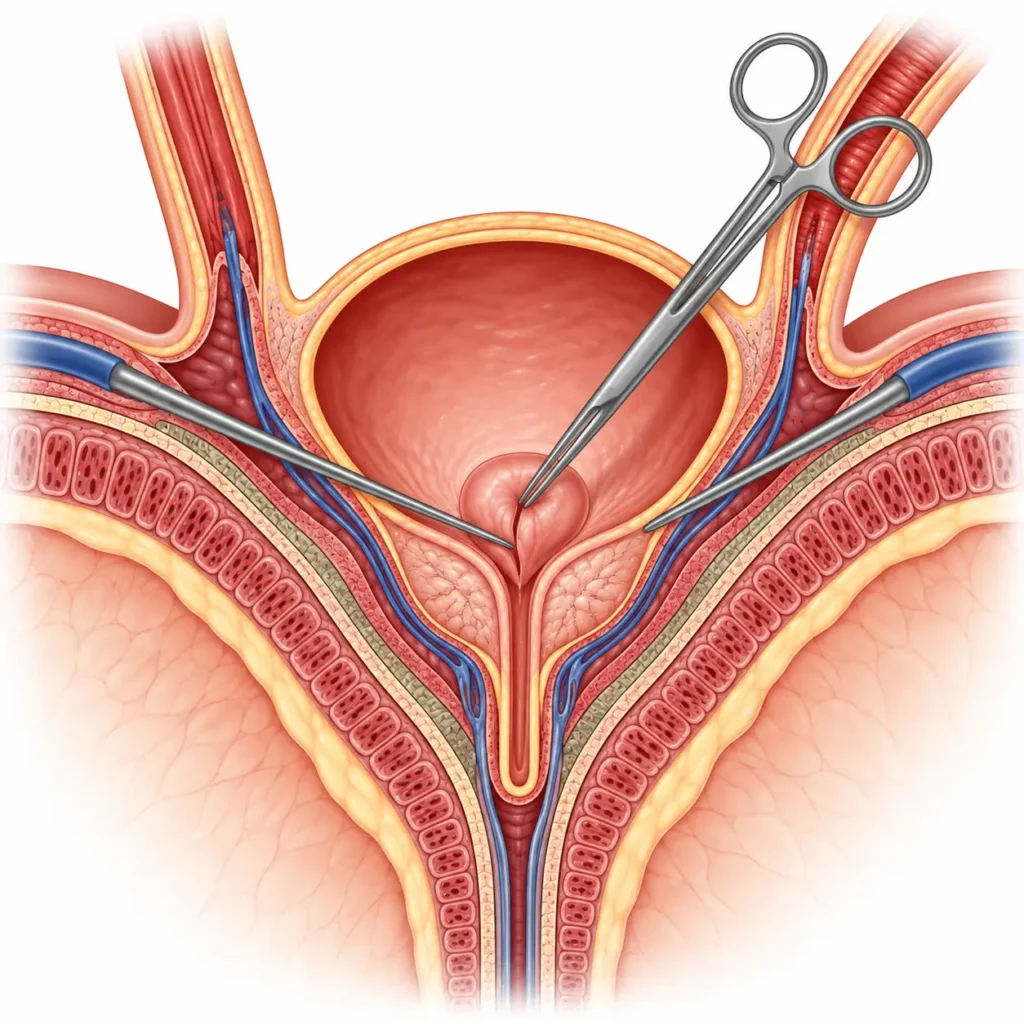
BNI treats urinary blockage caused by scarring at the bladder neck rather than an enlarged prostate, common in younger men with tighter bladder necks. A precise incision restores flow with minimal risk to ejaculation, making it a good option for preserving fertility.
Treatment for the prostate has evolved tremendously. Even those men with advanced prostate enlargement or early prostate cancer needing treatment are very unlikely to have to undergo open surgery.
Every BPH treatment is done through the body’s natural channel – the urethra. That means no stitches, no incisions, and no abdominal scars. The same is true with prostate cancer surgery. The laparoscopic technique will only result in very small keyhole incisions. This approach greatly reduces post-operative discomfort and the chance of complications and infections around the surgical wound
UroLift and iTind have been developed and tested to protect the ejaculatory function of their users. Rezum preserves ejaculatory function in the majority of cases. Reverse ejaculation is expected after TURP and HoLEP surgeries but, in general, is not likely to dull the sensation of orgasm. It is possible, oncologically speaking and in the majority cases, to maintain erectile function for the post-operative patient, following the nerve-sparing technique of prostate cancer surgery
Patients who receive UroLift and iTind procedures generally leave the facility on the same day. Patients who undergo HoLEP and laser TURP are discharged anywhere really from 24 hours to 48 hours after the procedure. Even after laparoscopic radical prostatectomies, the patients are released in approximately 2 to 3 days. Most patients are able to resume light daily activities within a week, which is a considerable difference from the 4 to 6 week recovery time associated with open procedures.
Older patients and patients with comorbidities can safely undergo even the most sophisticated procedures with spinal anaesthesia or local anaesthesia complemented with sedation
Experience, specialization, and comprehensive treatment options are crucial for maintaining prostate health. This is why Doctor Vikas Singh has gained the trust of thousands of patients from Indore and the entire Central India for the following reasons:
Dr. Vikas Singh was the first urologist in Central India to introduce no-cut/no-stitch innovative techniques, UroLift and iTind, for advanced prostate treatments.
Active surveillance and medications to minimally invasive procedures like UroLift, iTind, Rezum, ThuFLEP, laser TURP, and HOLEP plus removal of prostate cancer laparoscopy.
Dr. Vikas Singh is uniquely qualified to deal with the cancerous challenges of prostate cancer diagnosis and treatment, as opposed to only general urological issues.
The best prostate biopsy available, ensuring the sampled lesions are precise to maximize the diagnosis.
Posted on GoogleTrustindex verifies that the original source of the review is Google. Dr vikas singh is best urologist in IndorePosted on GoogleTrustindex verifies that the original source of the review is Google. Nice treatmentPosted on GoogleTrustindex verifies that the original source of the review is Google. My treatment given by Dr vikas sir he is best doctorPosted on GoogleTrustindex verifies that the original source of the review is Google. Best doctorPosted on GoogleTrustindex verifies that the original source of the review is Google. Hm log shivpuri se dr vikas sir ko dikhane aaye, sir se milkar bahut acha lga, nature or treatment bahut sahi hePosted on GoogleTrustindex verifies that the original source of the review is Google. Nice doctorPosted on GoogleTrustindex verifies that the original source of the review is Google. Very experienced and caring doctor. Excellent treatment and patient-friendly approach. Highly recommended.”Posted on GoogleTrustindex verifies that the original source of the review is Google. On dt27.06.2026 dr.vikas singh performed my prostatomegaly surgery by Urolift method . I am now fealing very well.Within two days l got discharged from Kokilaban Dhirubhai Ambani hospital Indore (MP).I am very thankfull to this very new method Urolift,Dr.Vikas singh sir and BCM Kokilaben Dhirubhai Ambani hospital,Nipania Indore. ByAdarsh kumar pauranik.Posted on GoogleTrustindex verifies that the original source of the review is Google. Good experience for testis treatment for my son
Most men begin PSA screening at age 50, although the recommendation is to start at age 45 for those with a first-degree family history of prostate cancer. The first PSA test taken establishes a personal baseline. URI evaluations do not have an upper age limit. Even at an advanced age, urinary symptoms can lead to considerable quality-of-life issues, and BPH is easy to treat. urinary symptoms. Evaluation of the prostate has no upper age limit. BPH is easy to treat and of great concern at any age.
No they are not – they are two entirely separate conditions. First, BPH is a non-malignant, age related prostate enlargement that causes some obstruction to urination, but will never become a cancerous condition. Prostate cancer is a malignant condition, and as the name implies, requires different treatment and different diagnosis. Most importantly, as the symptoms and causes are all entirely different, they are conditions that are not mutually exclusive. This is the major reason why thorough evaluation including PSA, DRE, and some forms of imaging, cannot ever be considered or taken for granted, as a provider is not ever who sees the patient, there can never be an assumption that symptoms are nothing more than benign prostatic hyperplasia.
Many men with BPH can be treated well with medications. Options like UroLift, Rezum, and iTind work well for men for whom medications aren’t sufficient and who seek a non-invasive, no return to the operating room approach. Surgical interventions like HoLEP and laser TURP are recommended for cases where the prostate is very large or where there are complications such as urinary retention, bladder stones, or kidney damage. For prostate cancer, especially low-risk cases, many men are best served by an approach of active surveillance.
This is contingent upon the selected treatment. UroLift and iTind remain the majority choice among men for preserving ejaculatory function. Rezum preserves ejaculation for the majority. Turkey’s HoLEP and TURP usually cause retrograde ejaculation, wherein semen enters the bladder during orgasm. This is not physically felt or the felt stimulation is not. Affecting is not typically the case fused BHP. With prostate cancer surgeries, the ability for erectile function to be preserved with the surgery is the remaining option. Nerve-sparing techniques confer the best option.
The length of recovery will depend on the specific procedure. UroLift and the iTind: most men will have normal activities in 2 – 5 days. Rezum: 1 – 2 weeks of catheter use, then gradually improve in 4 – 6 weeks. Laser TURP: normally going home within 24-48 hours and resuming normal activities in 1 – 2 weeks. HoLEP and ThuFLEP: recovery is similar to laser TURP. Laparoscopic radical prostatectomy: discharged in 2 – 3 days, catheter use in 1 – 2 weeks, and resuming full activity in 4 – 6 weeks.
Recurrence after treatment is expected which is why continual monitoring is important, especially with PSA levels over time. Post-surgery, PSA levels should reach a point of being undetectable within a month to a month and a half. After treatment, a PSA level increase is referred to as biochemical recurrence. PSA levels can detect recurrence long before any visible symptoms. This gives an opportunity to treat the condition before it becomes more problematic. In response to Dr. Vikas Singh’s proposed program for follow-up, any indication of return or recurrence of the condition is addressed.
PSA velocity is the rate of change in PSA over time. PSA elevations tend to be more worrisome if the values increase more than 0.75 ng/ml annually or if the PSA doubles in a certain time frame. Stable PSA levels are not as concerning as these elevations. PSA velocity is more impactful in younger men, as the absolute PSA level can be considered to be in the ‘normal range’ while the PSA levels are rising and warrant the need to conduct a more thorough investigation.
Most patients find modern prostate biopsies under local anesthesia or light sedation to be comfortable. This end-over-end procedure, which takes roughly 20 to 30 minutes, can sometimes result in refreshing discomfort, and spotting blood in urine and/or semen can be expected. Fortunately, these blood traces are self-limiting. MRI-fusion biopsies only target and sample the concerning areas, which lessens the number of needled samples and adds to the comfort and efficiency of the procedure in comparison to the traditional systematic biopsies.
There is little difference in oncological results. There are minimally increased accuracy and three-dimensional magnification for nerve-sparing dissection with robotic surgery. When done with expert technique, laparoscopic prostatectomy can achieve similar results in cancer control, urinary continence, and erectile potency. However, surgical expertise is overall most important for impactful results as opposed to the net benefit of the specific technology.