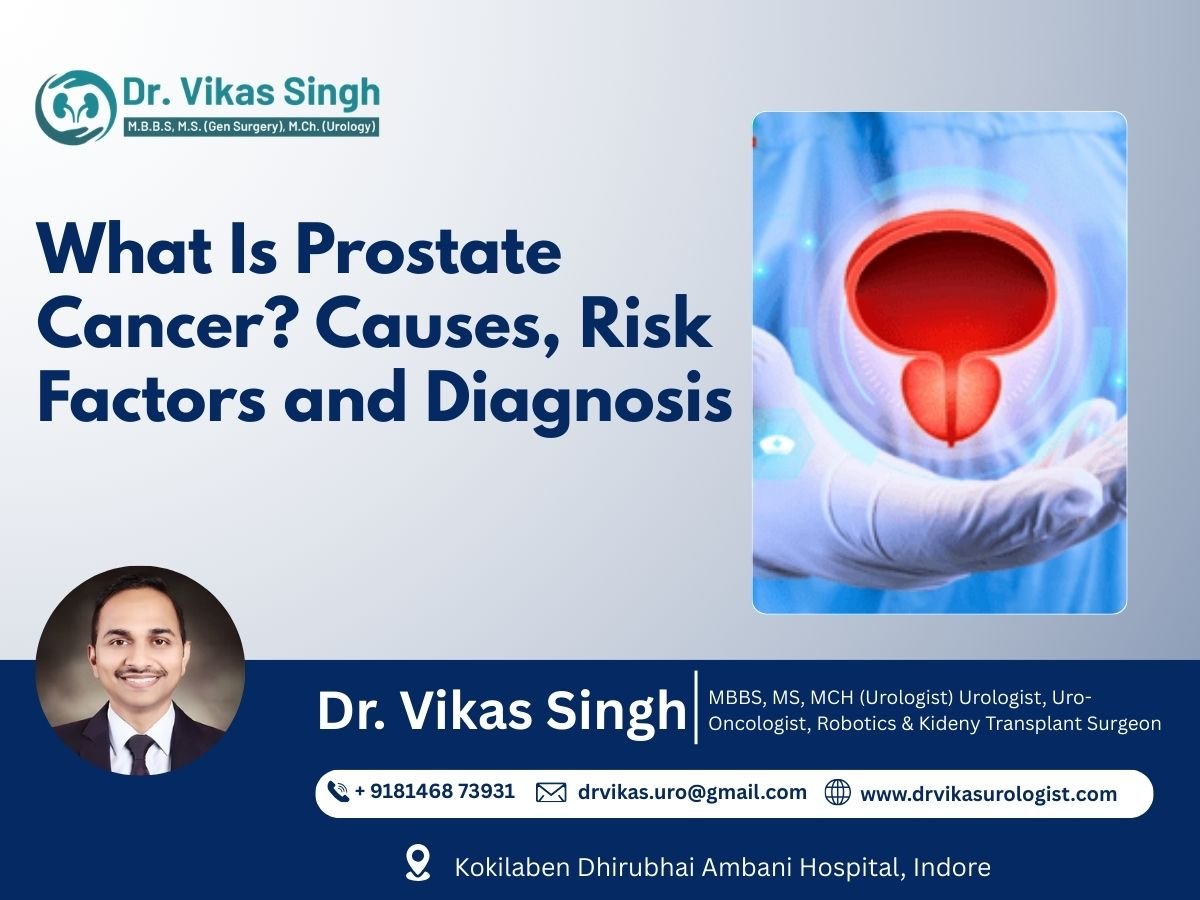
The most successful prostate cancer treatment depends on the cancer’s stage. For early-stage disease, radical prostatectomy and radiation therapy achieve cure rates above 95%. For low-risk cancer, active surveillance avoids unnecessary side effects. For advanced disease, hormone therapy combined with chemotherapy or targeted drugs significantly extends survival. A personalised plan from a specialist urologist in Indore is essential.
Prostate cancer is the second most common cancer in men globally. In India, its incidence has risen by nearly 40% over the past decade, according to the Indian Council of Medical Research (ICMR) 2023 report.
The encouraging reality: when diagnosed early, prostate cancer is one of the most treatable cancers, with a nearly 100% 5-year survival rate at localised stage (NCI, 2024).
This guide explains every major prostate cancer treatment option available in 2026 — including their success rates, risks, and how to choose the right one — based on the clinical expertise of Dr. Vikas Singh, a leading urologist and uro-oncologist in Indore.
What Is Prostate Cancer? (Quick Overview)
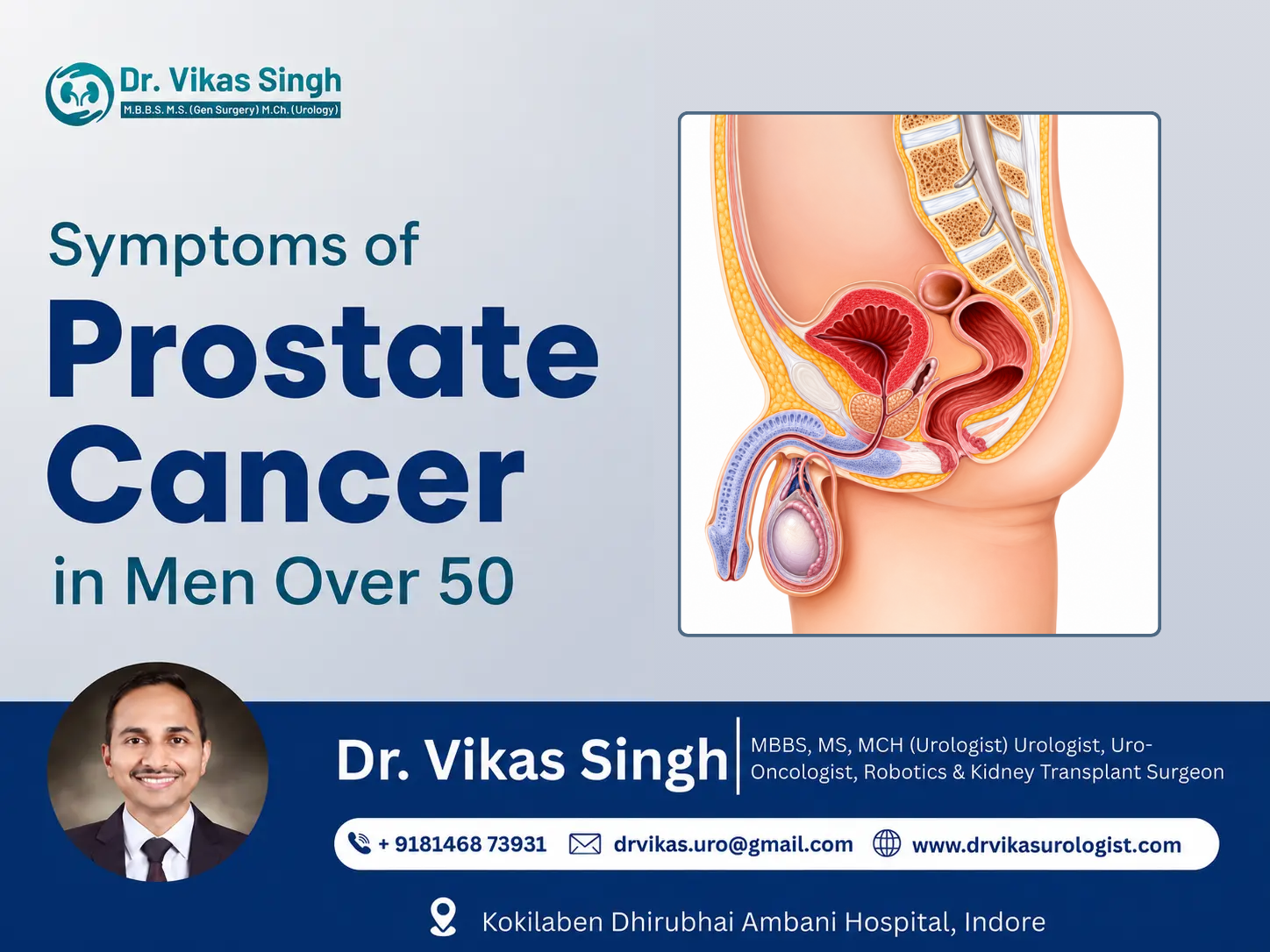
Definition: Prostate cancer occurs when cells in the prostate gland — a walnut-sized gland below the bladder — multiply abnormally and form a tumour.
Who is at risk: Men over 50, those with a family history of prostate cancer, and men of South Asian or African descent face higher risk.
Key fact: Most prostate cancers grow slowly. However, high-grade (Gleason 8–10) cancers can spread rapidly and require aggressive treatment.
In 2026, approximately 1.4 million new prostate cancer cases will be diagnosed worldwide (WHO Global Cancer Observatory, 2024).
India records an estimated 25,000–30,000 new prostate cancer diagnoses annually (ICMR, 2023).
Common Symptoms of Prostate Cancer
Note: Early-stage prostate cancer often has NO symptoms. Symptoms typically appear when the cancer is more advanced.
- Difficulty starting or stopping urination
- Weak or interrupted urine flow
- Blood in urine or semen
- Pelvic pain or discomfort
- Bone pain (if cancer has spread)
How Is Prostate Cancer Diagnosed?
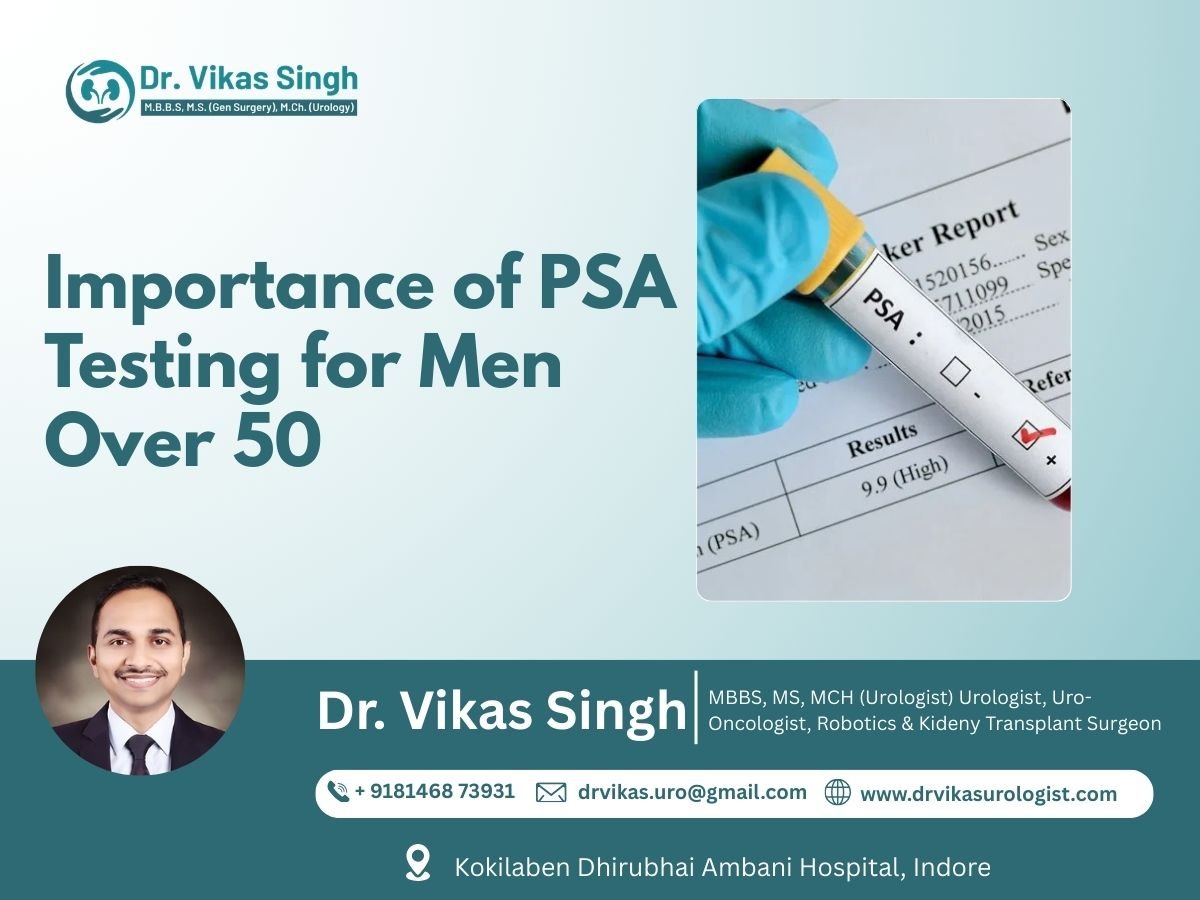
Step 1 — PSA Test: A blood test measuring Prostate-Specific Antigen (PSA). Elevated PSA may indicate cancer, BPH, or infection.
Step 2 — Digital Rectal Exam (DRE): A physical examination to detect abnormalities in the prostate.
Step 3 — MRI/TRUS Biopsy: Multi-parametric MRI followed by targeted biopsy to confirm diagnosis and grade the cancer.
Step 4 — Staging Scans: Bone scans, CT/PET scans to check if cancer has spread beyond the prostate.
PSA testing can detect prostate cancer up to 10 years before symptoms appear (Journal of Clinical Oncology, 2023).
Prostate Cancer Treatment Options: Success Rates & Comparison (2026)
There is no universal ‘best’ treatment. The right choice depends on cancer stage, Gleason score, age, overall health, and patient preferences.
Treatment Comparison at a Glance
| Treatment | Best For | 5-Year Success | Recovery |
| Active Surveillance | Low-risk, slow-growing | ~100% (no progression) | No treatment needed |
| Radical Prostatectomy | Localised (Stage I–II) | 90–95% | 4–6 weeks |
| Radiation (EBRT/IMRT) | Localised & locally advanced | 90–95% | 6–8 weeks (treatment course) |
| Brachytherapy | Low–intermediate risk | 85–92% | Minimal downtime |
| Hormone Therapy (ADT) | Advanced / recurrent | Controls, not curative | Ongoing |
| Chemotherapy (Docetaxel) | Metastatic | Extends survival ~2.9 years | Cycles over months |
| PARP Inhibitors | BRCA-mutated, advanced | Significant tumour control | Oral, outpatient |
1. Active Surveillance — When Watching Is the Right Treatment
Who it’s for: Men with low-risk, Gleason 6 (Grade Group 1) prostate cancer confined to the prostate.
How it works: Regular PSA tests every 3–6 months, annual MRI, and periodic biopsies monitor the cancer without immediate treatment.
Success rate: Studies show 97–100% of men on active surveillance avoid metastatic cancer at 10 years if monitored correctly (NEJM, 2023).
The PROTECT trial (2023) found no significant difference in mortality between active surveillance, surgery, and radiotherapy for low-risk prostate cancer over 15 years.
2. Radical Prostatectomy — Surgical Removal of the Prostate
Who it’s for: Men with localised prostate cancer (Stage I–II), generally under 70 years with good health.
Technique used: Minimally invasive laparoscopic or robotic-assisted surgery removes the entire prostate gland and seminal vesicles.
Success rate: Biochemical recurrence-free survival is 85–92% at 10 years for localised disease (EAU Guidelines, 2025).
Dr. Vikas Singh performs advanced minimally invasive prostatectomies in Indore, with reduced blood loss, shorter hospital stay (1–2 days), and faster recovery compared to open surgery.
Minimally invasive prostatectomy reduces post-operative complications by 30–40% compared to open surgery (European Urology, 2024).
3. Radiation Therapy — High-Energy Beams That Destroy Cancer Cells
External Beam Radiation (IMRT/SBRT): Precisely targeted radiation delivered over 4–8 weeks from outside the body. SBRT (stereotactic) delivers higher doses in fewer sessions — typically 5 treatments.
Brachytherapy: Radioactive seeds implanted directly inside the prostate deliver radiation from within. Ideal for low-to-intermediate risk cancer.
Success rate: Both methods achieve equivalent cure rates to surgery for localised prostate cancer (AUA/ASTRO Guidelines, 2025).
Proton beam therapy, increasingly available in India, reduces radiation exposure to surrounding tissue by up to 60% vs conventional IMRT (Lancet Oncology, 2024).
4. Hormone Therapy (Androgen Deprivation Therapy — ADT)
What it does: Reduces testosterone levels — the hormone that fuels prostate cancer growth — using injections (LHRH agonists) or oral medications.
When it’s used: Alongside radiation for high-risk localised disease, or as primary treatment for advanced/metastatic prostate cancer.
Effectiveness: ADT combined with radiation improves 10-year survival by 15–20% in high-risk localised disease vs radiation alone (NEJM, 2024).
5. Chemotherapy for Metastatic Prostate Cancer
First-line drug: Docetaxel is the standard chemotherapy for hormone-sensitive metastatic prostate cancer, extending median survival by ~2.9 years when combined with ADT.
Second-line options: Cabazitaxel is used after Docetaxel failure in castration-resistant prostate cancer.
The STAMPEDE trial (2024) showed that adding Docetaxel to early hormone therapy improved overall survival by 15 months in high-volume metastatic disease.
6. Targeted Therapy & Immunotherapy — The Frontier of Prostate Cancer Treatment
PARP Inhibitors: Olaparib and Rucaparib are approved for BRCA1/2-mutated metastatic prostate cancer, achieving response rates of 33–44%.
Immune Checkpoint Inhibitors: Pembrolizumab is used for MSI-H or mismatch repair-deficient prostate cancer.
PSMA-targeted therapy: 177Lu-PSMA-617 (Lutetium therapy), approved by FDA in 2022, targets prostate-specific membrane antigen to deliver radiation directly to metastatic cells — extending survival by 4 months vs standard care (VISION trial, 2023).
Genetic testing (BRCA1, BRCA2, ATM) is now recommended for all metastatic prostate cancer patients to guide targeted therapy selection (NCCN Guidelines 2025).
Laser Treatment for Prostate in Indore: BPH vs Cancer — Know the Difference
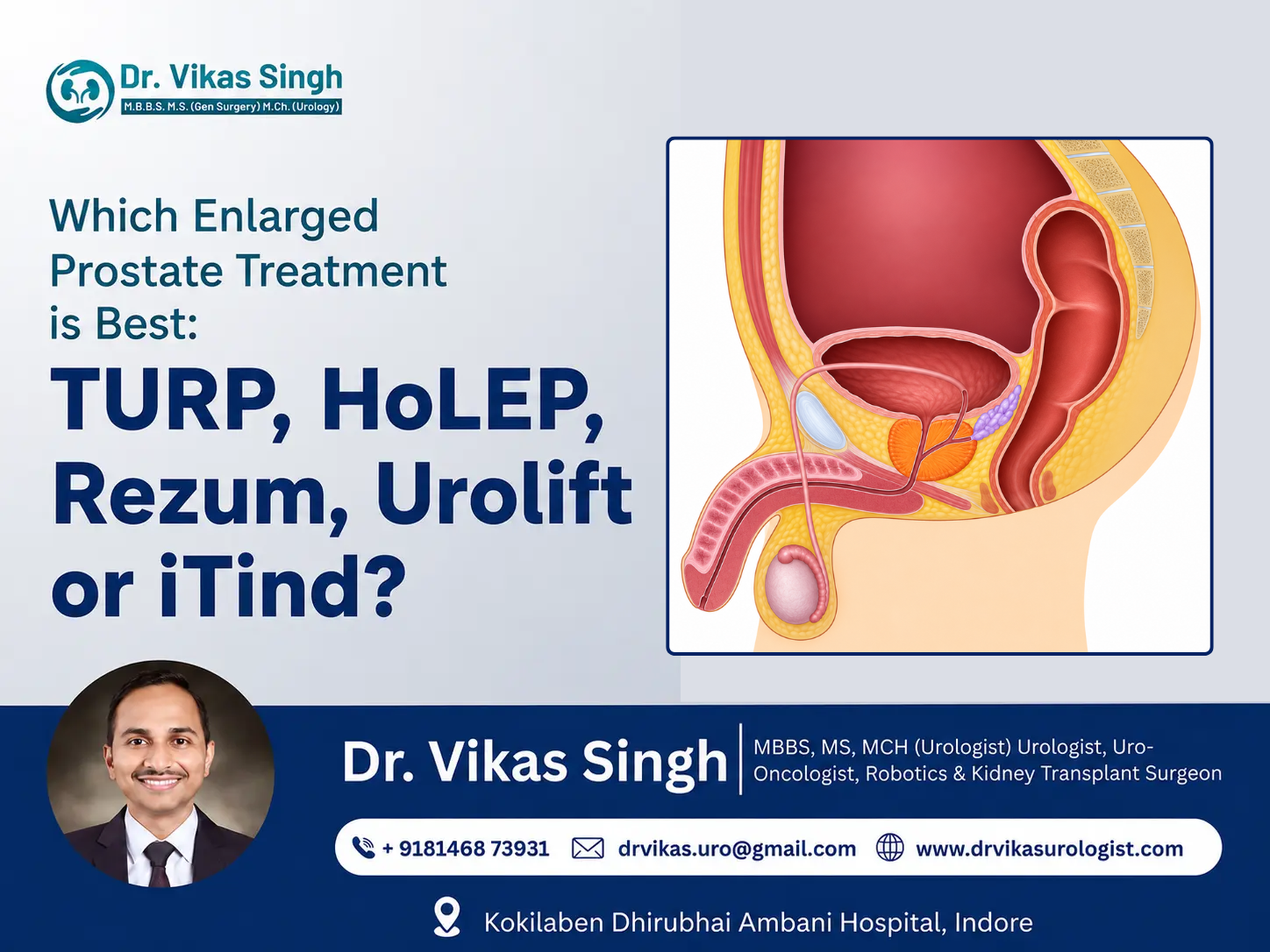
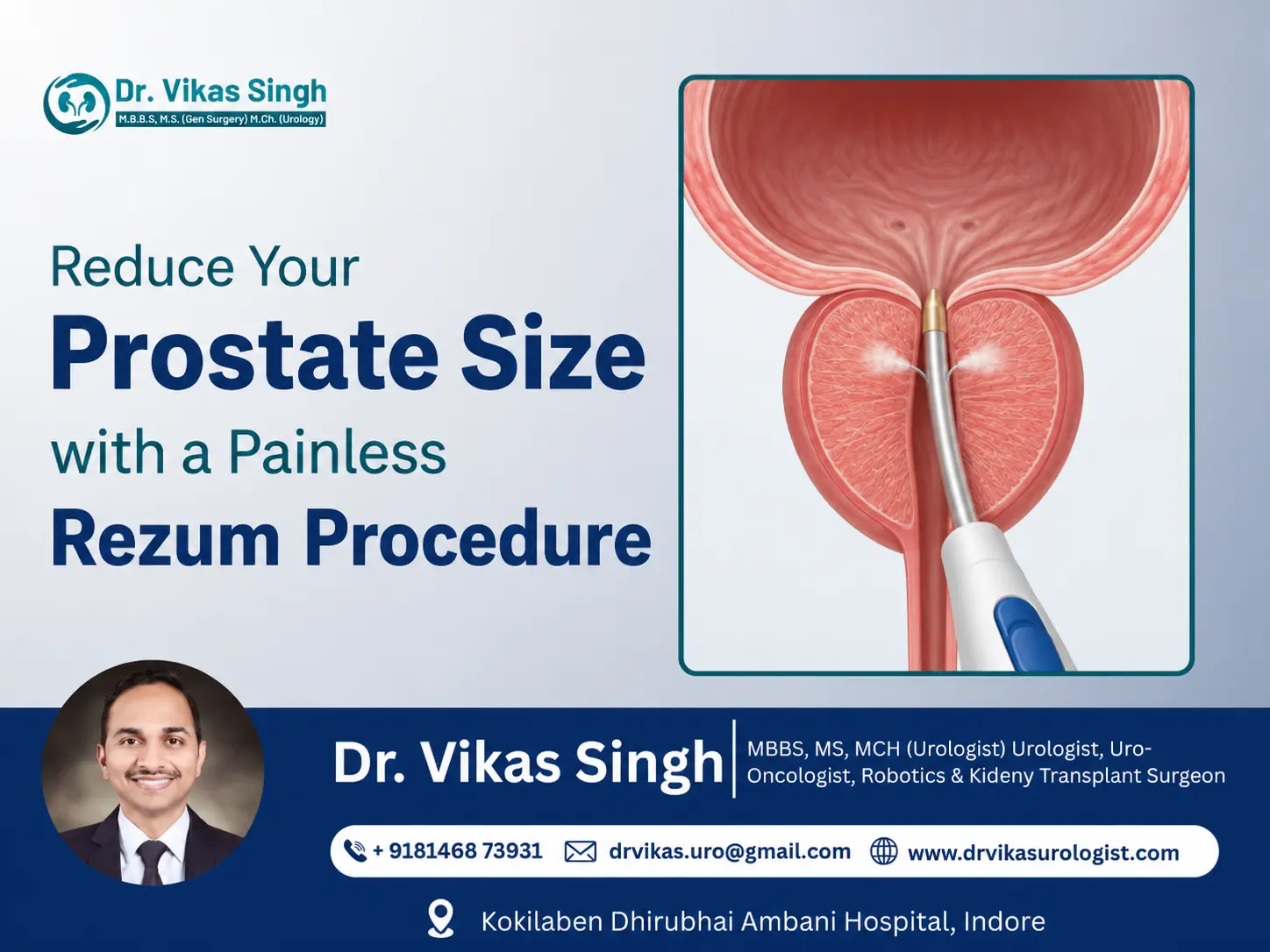
Laser treatment for the prostate is primarily used to treat Benign Prostatic Hyperplasia (BPH) — prostate gland enlargement — not cancer. However, BPH and prostate cancer often coexist and share similar urinary symptoms, making specialist evaluation essential.
What Is Prostate Gland Enlargement (BPH)?
Definition: BPH is a non-cancerous overgrowth of the prostate that compresses the urethra, causing urinary obstruction.
Prevalence: BPH affects 50% of men over 60 and up to 90% of men over 80 (AUA, 2024).
Key distinction: BPH does not cause cancer, but both conditions require specialist evaluation to rule out malignancy.
HoLEP — Gold Standard Laser Treatment for Prostate Gland Enlargement in Indore
What is HoLEP: Holmium Laser Enucleation of the Prostate (HoLEP) uses a high-powered laser to remove obstructing prostate tissue through the urethra — no external incision required.
HoLEP advantages over traditional TURP surgery:
• Suitable for any prostate size, including very large glands
• Lower risk of bleeding — suitable for patients on blood thinners
• 1-day hospital stay in most cases
• Long-term durability: re-treatment rate < 2% at 10 years
• Preserves sexual function better than open surgery
Dr. Vikas Singh is among the most experienced urologists in Indore for HoLEP and laser prostate procedures, offering patients world-class minimally invasive care in Central India. Even offer with Laser BNI surgery specialist in Indore.
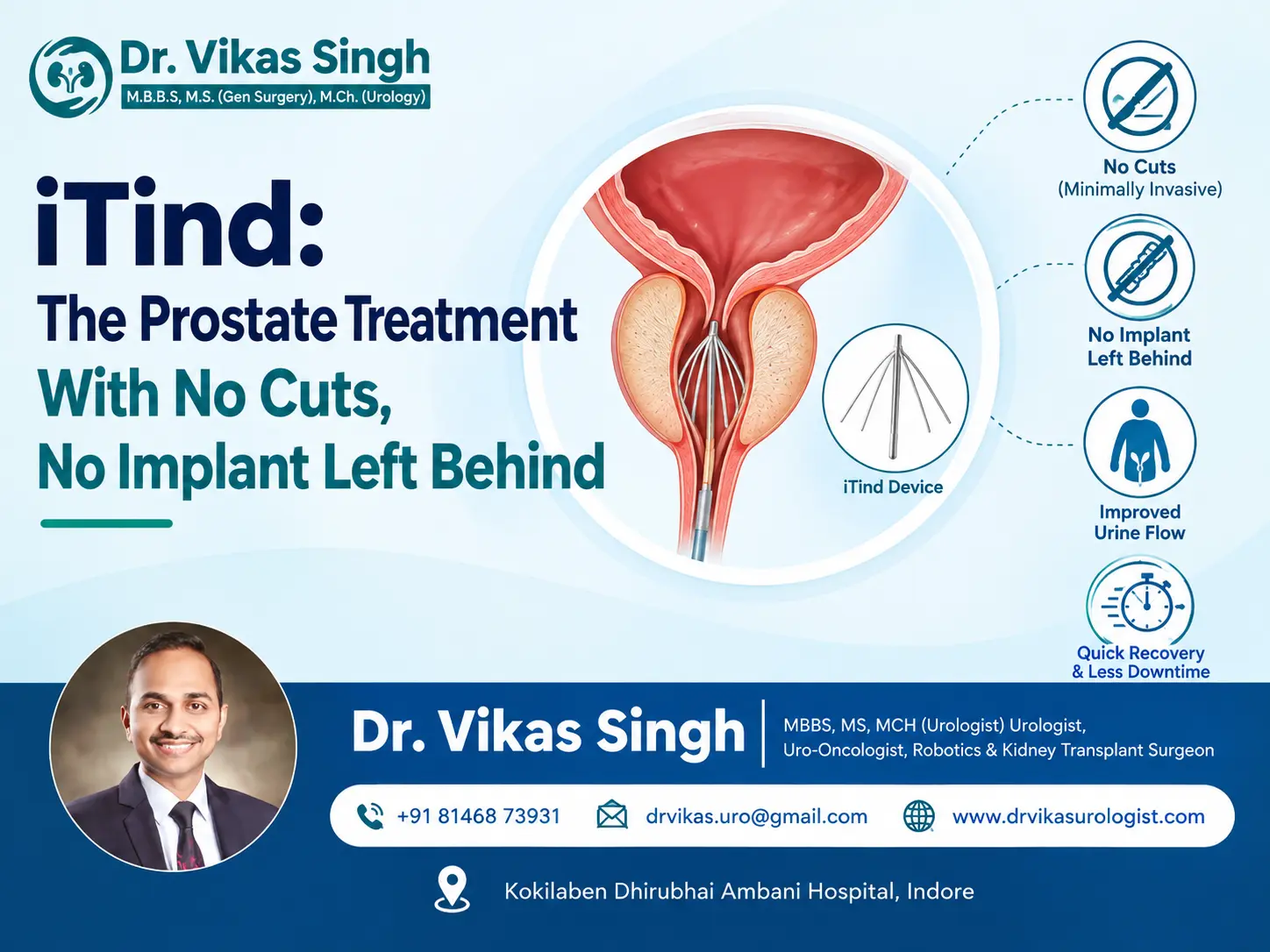
Learn more: iTind prostate treatment
How to Choose the Right Prostate Cancer Treatment: A Step-by-Step Guide
Choosing the right treatment is a shared decision between you and your specialist urologist. Here is the structured process Dr. Vikas Singh follows with every patient:
- Confirm Diagnosis — PSA, MRI, and targeted biopsy to establish cancer grade and stage.
- Risk Stratification — Classify as low, intermediate, or high risk using Gleason score, PSA level, and clinical stage.
- Genetic Testing — BRCA1/2, ATM mutation testing for metastatic cases to assess eligibility for PARP inhibitors.
- Patient Preferences — Discuss priorities: preserving sexual function, urinary control, minimising hospital stay, or maximising cure rate.
- Multidisciplinary Team (MDT) Review — Urologist, radiation oncologist, and medical oncologist collectively recommend the optimal plan.
About Dr. Vikas Singh — Best Urologist in Indore for Prostate Cancer Treatment
Dr. Vikas Singh — Clinical Profile
- Specialty: Urology, Uro-Oncology, Kidney Transplant Surgery
- Qualification: MBBS, MS, MCH (Urologist) Urologist, Uro-Oncologist, Robotics & Kideny Transplant Surgeon
- Experience: 15+ years in advanced urological surgery
- Procedures: 10,000+ urological procedures performed
- Sub-specialties: Prostate cancer, laser prostate surgery, urological cancers, kidney stones, renal conditions
- Location: No 1, BCM Estate, Kokilaben Dhirubhai Ambani Hospital, Shri Balchand Mehta Marg, Nipania, Indore, Madhya Pradesh 452010
Dr. Vikas Singh is widely recognised as one of the top urologists in Indore for prostate cancer treatment, combining international-level surgical expertise with personalised, compassionate care.
His clinic in Vijay Nagar, Indore serves patients from across Madhya Pradesh, Rajasthan, Gujarat, and beyond — making him one of the most sought-after and experienced urologists in Central India.
Frequently Asked Questions About Prostate Cancer Treatment
Q1. What is the most successful treatment for prostate cancer?
Surgery and radiation cure early-stage prostate cancer in 90–95% of cases. Advanced cancer is best managed with hormone therapy and chemotherapy combined.
Q2. Is prostate cancer curable if caught early?
Yes. When caught early, localised prostate cancer has a nearly 100% 5-year survival rate with proper treatment.
Q3. What is the difference between prostate cancer treatment and prostate gland enlargement treatment?
Prostate cancer treatment targets malignant cells using surgery or radiation. BPH (enlargement) treatment uses laser or medication for urinary obstruction relief.
Q4. How long does prostate cancer treatment take?
Surgery requires 4–6 weeks recovery. Radiation takes 4–8 weeks of sessions. Hormone therapy continues for months to years depending on stage.
Q5. What are the side effects of prostate cancer treatment?
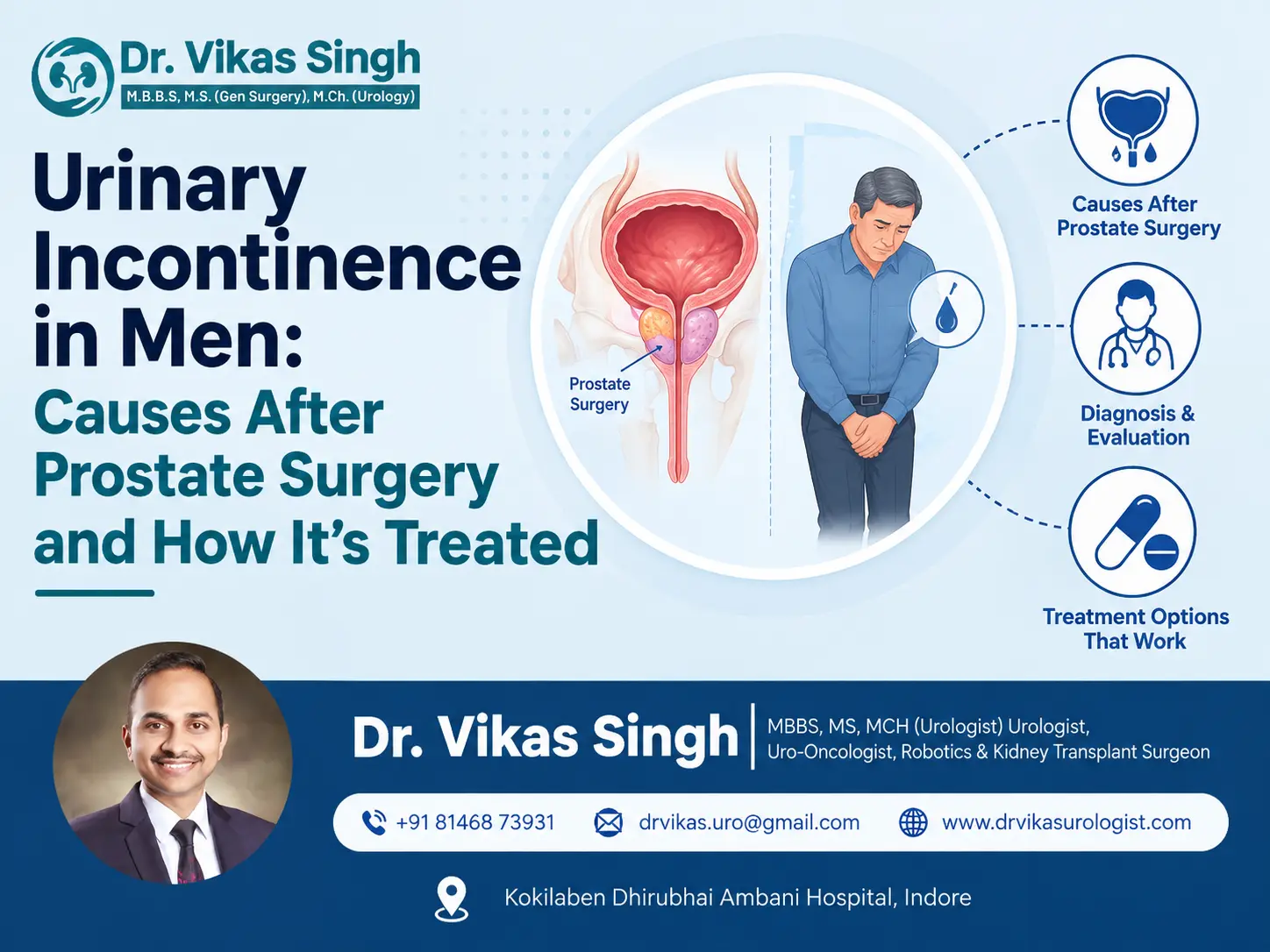
Common side effects include urinary incontinence, erectile dysfunction, fatigue, and hot flashes. Minimally invasive techniques significantly reduce these risks for most patients.
Book Your Consultation with Dr. Vikas Singh
- 15+ Years of Specialist Urological Experience
- 10,000+ Procedures | 500+ Kidney Transplants
- Advanced Laser & Minimally Invasive Surgery
Call or WhatsApp today to schedule your appointment.
Don’t wait — early diagnosis changes outcomes. Get expert prostate cancer treatment in Indore today.
Reach us at: Dr. Vikas Singh, Urologist