
There is nothing worse than hearing you have cancer, and in that moment, a million questions come to your mind. What kind of cancer? Has it metastasized? What are the options? Who do I trust the information to?
If you or your family are dealing with a diagnosis of urological cancer (prostate, kidney, or bladder cancer, testicular, or penile), you surely need a urological oncologist that specializes in this field. Not a generalist, and certainly not a physician that only sees a handful of oncological patients. You’ll need a urological oncologist with experience, expertise, cutting-edge technology and a commitment to give your patient the best possible outcome.
Dr. Vikas Singh, Senior Consultant Urologist and Genito Uro Oncologist at Kokilaben Dhirubhai Ambani Hospital, Nipania, Indore, is one of the noted uro-oncologists in Central India. He has honed his skills over the last 15 years, including complex cancer surgeries. Patients travel from different parts of Madhya Pradesh, Chhattisgarh, and even other states to avail his services.
Urological cancer, also known as Uro-Oncology or Genito-Urological (GU) cancer, refers to a group of malignancies arising in the urinary tract and the male reproductive organs such as the kidneys, bladder, prostate, testicles, and penis.
The Indian Council of Medical Research (ICMR) mentions alarming statistics in the rising Urological Cancers in India, making Uro-Oncology awareness, early diagnosis, and access to specialists of utmost importance. In the Indian male population, prostate and kidney cancers are the leading accelerators, while bladder cancer seems to affect both men and women, yet the prevalence in men is much higher.
Prostate cancers (stage I or II) are highly treatable malignancies, possessing almost a 100% five-year survival rate. Even nearly all the testicular cancers, diagnosed early, are completely curable. Before bladder cancer (where the bladder is full, the muscle wall of the bladder is invaded, and the cancer is completely removed or excised) becomes a deadly malignancy, they can also be completely eradicated.
There is a significant challenge, though. Most of these malignancies are asymptomatic until they are far advanced or have metastasized to other parts. This is where identifying the warning signals becomes important, along with frequent check-ups for the higher-risk population. A well-trained Uro-Oncologist, as Dr. Vikas Singh, can contribute a lot in pushing the front line of early detection.
In many cases, cancer, and especially cancers of the urological system, are asymptomatic, and, therefore, the most treatable and impactable early stages often go unnoticed. By the time we notice something and we can’t ignore it, it may be too late. That’s why knowing the early signs of urological cancer is so important.
The following should not be ignored:
Blood in the Urine (Hematuria) – This in and of itself is the most important warning sign of these types of cancer and shouldn’t be left for assessment. Blood can be present in the urine, and go unnoticed, be present and cause a pain, or be present and cause a burning.
Urgency and frequency of urination, pain with urination, or interrupted/weak urine streams are abnormal. This is most especially associated with either testicular or bladder cancer.
A lump or swelling – This is also most especially associated with either urine or bladder cancer
There are many signs and symptoms of cancer and urological cancers in specific. These are just a few, and for the most part, are the most associated. If you notice these or even something that seems related, it is best to not ignore it and seek the appropriate care.
Bone pain: as advanced urological cancers (especially prostate and kidney cancers) metastasize, there can be pain in the bones, especially the spine, hips, or ribs.
If you have any of these symptoms, please don’t delay. Contact Dr. Vikas Singh for a consultation: +91 81468 73931
For any kind of cancer, diagnosis at the right time and in the right way is key to deciding the right kind of treatment. At Kokilaben Dhirubhai Ambani Hospital, Indore, Dr. Vikas Singh is equipped with tools that will help him in detection, staging and characterisation of Urological cancers.
Cystoscopy is the gold standard for bladder cancer diagnosis. A flexible telescope with a camera (cystoscope) is inserted through the urethra and into the bladder to gain real-time visual access to the interior of the bladder, which is performed by Dr. Vikas Singh.
This procedure enables identification and biopsy of any suspicious lesions, masses, or tumors in a single visit. Under local anaesthesia or light sedation, most patients report that cystoscopy is easy to endure. It is also performed to monitor patients who have received previous treatment for bladder cancer to detect any new recurrences.
Urine cytology is the process of examining a urinary sample microscopically to confirm the presence of abnormal (neoplastic) cells that have desquamated from the lining of the bladder or the urinary tract. This test is quick and simple. It is non-invasive, and while it can confirm the diagnosis of bladder and upper tract urinary cancer, it is usually performed in conjunction with cystoscopy.
In terms of diagnosis and follow-up studies in urological cancers, blood tests are mainly complementary. These tests help assess kidney function (creatinine and eGFR), PSA levels, and tumor markers (such as AFP and beta-HCG in testicular cancer) as well as full blood count and other parameters which are helpful to assess general health and provide guidance in treatment.
Uro cancer treatment shouldn’t be treated with a cookie cutter method. As this process varies based on type and stage of cancer, as well as patient age, health, and treatment preference. With Dr. Vikash Singh, you will be treated with a full, multidisciplinary form of custom treatment that combine tailored, most appropriate actionable, medical and targeted medications, and surgical interventions.
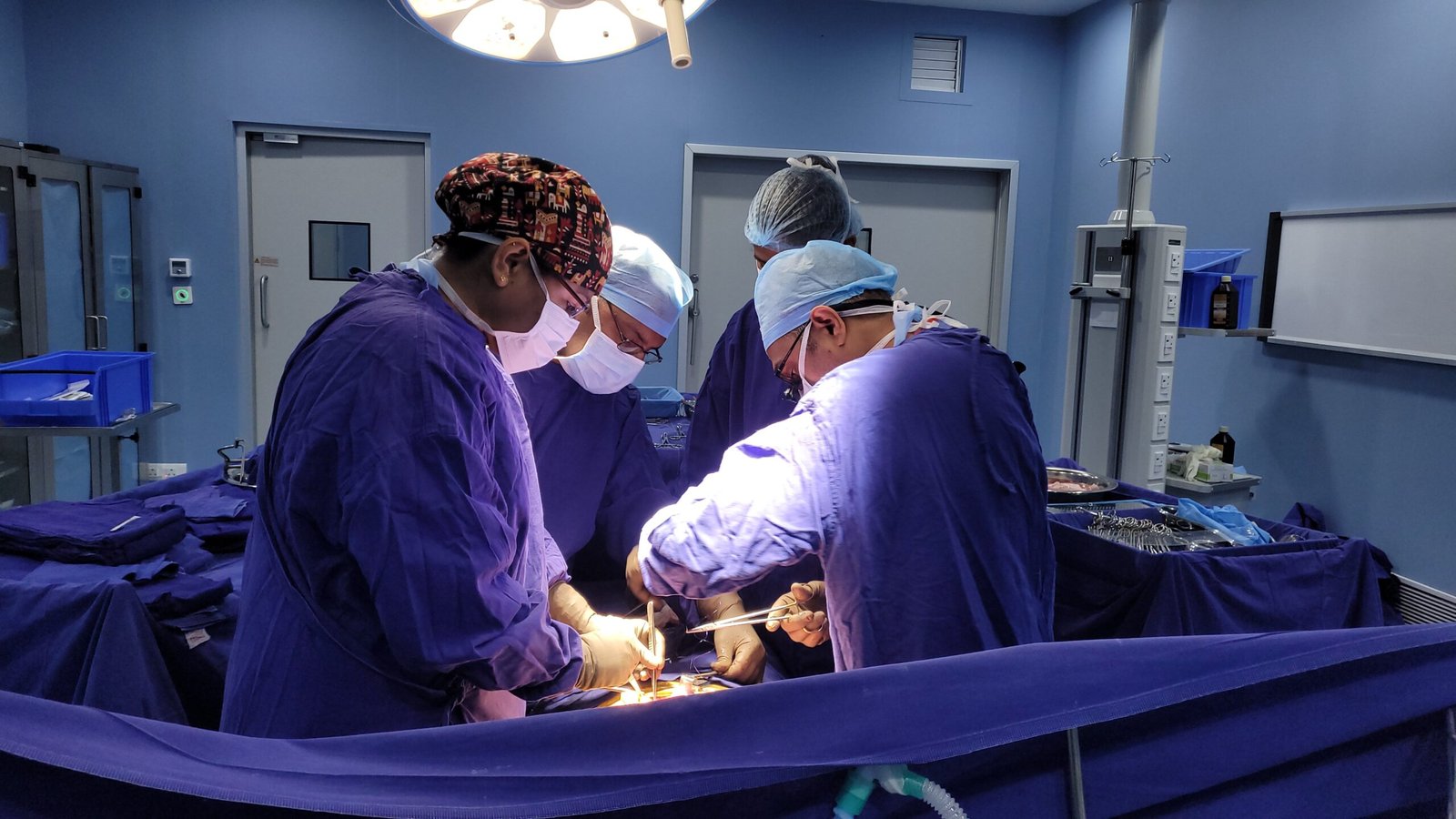
Laparoscopic and robotic surgeries are the gold standards of the most minimally invasive surgeries. Most surgeries can be performed through abdominal ports and mini incisions rather than larger incisions with the aid of high definition and functioning cameras. Surgeons are able to operate with more control and access than traditional methods with the use of robotic arms.
The benefits to surgeries performed by this method are more than substantial. Patients suffer less from blood loss and post operative pain, and have shorter hospital stays (most common are a couple of days). Patients can quickly return to their normal life, and will have less noticeable scars. Most importantly the patients often have their cancer more considerately controlled, and this is often the result of improved precision of the method.
Dr. Vikas Singh has amassed Indore’s top-level experience in Uro-oncology, Robotic & Laparoscopic surgery for:
Transurethral Resection of Bladder Tumour – is the most commonly performed surgical operation for early-stage, non-muscle invasive (bladder cancer localized to the inner bladder lining). It is done entirely through the urethra, without any incisions on the outside of the body.
During the procedure, the tumor is resected off the bladder wall using an electrical loop, and the tumor is resected off the bladder wall, and the specimen is sent for pathology to assess the tumor type and degree of invasion. It is done preferentially under spinal/ general anesthesia, and the patients are typically discharged within 1-2 days.
For patients with bladder cancer, dual therapy, the chemotherapy agent Mitomycin C, or BCG (Bacillus Calmette-Guerin) an immunotherapy, is placed into the bladder after TURBT through a catheter to minimize the chances of recurrence. Follow-up cystoscopy is performed to assess and monitor any reoccurrence.
Radical Nephrectomy is the removal of the entire kidney. This is the standard way to treat larger kidney removable tumors. Meeting this standard, Doctor Vikas again practices Nephrectomy surgeonly through laparoscopic means, ensuring for 3-4 small incisions rather than an open surgery. Smaller incision (open) surgeries allow for shorter recovery times and decrease post-operative pain.
For tumors smaller than 4-7 cm, surgeons will use a partial nephrectomy, a means to remove the tumor and allow additional tissue to remain. This is standard practice and occurs to maintain the functional longevity of nephronic tissue. This is crucial for patients with certain comorbidities, medical fads, or nephronic dysfunction. For these patients and as an expert in nephron-sparing surgery, Doctor Vikas Singh, laparoscopically performs partial nephrectomies with as much kidney tissue as is safely possible.
Radical prostatectomy is the removal of the entire prostate with surrounding tissue and is the of localised prostate cancer. As with kidney cancer, Doctor Vikas Singh uses minimal incisions laparoscopic and/or robotic surgery for prostate cancer treatment with radical prostatectomy. This also has a number of advantages over the traditional open surgery.
As with all of Doctor Singh techniques, oncologically safe practices include neuro-vascular sparing techniques, respectively. This allows for preservation of the neurovascular bundles (which govern the erectile apparatus) and lessens or eliminates the functional void of sex post surgery. The surgery can require a 2-3 day hospital stay, with full recovery of urinary continence occurring in 2-3 months.
Androgen Deprivation Therapy (ADT) is a type of hormone therapy plane used for treatment of prostate cancer. Prostate cancer cells depend on testosterone for growth. ADT lowers testosterone to very low levels, essentially starving the cancer of its fuel. This is used in the treatment of advanced or metastatic prostate cancer, in combination with radiation for high-risk localised disease, and when the cancer recurs after surgery or radiation.
Chemotherapy, a popular treatment plane in cancer care, uses medicine administered either intravenously or orally, to target and destroy cells in the body that divide rapidly, primarily, cancer cells. In urological oncology, chemotherapy is a key treatment in advanced bladder cancer using a cisplatin based regimen, metastatic testicular cancer (BEP or EP regimens) as testicular cancer is one of the most sensitive cancers to chemotherapy, advanced kidney cancer in select cases, and castration resistant prostate cancer. Coordinating with medical oncologists, Dr. Vikas Singh integrates chemotherapy part of a whole treatment plan.
New treatment strategies for urological cancers, including immunotherapy and target therapy, are reshaping advanced cancer treatment and offering new treatment options in advanced diseases
By activating the immune system, cancer cells are recognised and destroyed. In advanced bladder cancer and metastatic kidney cancer, immune system checkpoint inhibitors, carry markable results. For patients with limited treatment options, these therapies improve overall quality of life and survival. Pembrolizumab, nivolumab, and atezolizumab are some examples.
Targeted therapies are designed to interrupt specific pathways that support cancer cell growth and survival. For example, Sunitinib, Pazopanib, and Cabozantinib are used to treat kidney cancer and disrupt the formation of the blood vessels that support tumor growth (angiogenesis). Abiraterone and Enzalutamide are used to treat prostate cancer and, relative to other approaches to hormone therapy, are more selective in targeting the androgen pathway.
These therapies are now more widely available in India, and Dr. Vikas Singh incorporates them into his treatment plans for advanced urological cancers in collaboration with the oncology team at Kokilaben Hospital.
The extent of the disease determines the cancer stage and helps determine the treatment. Below is a simplified view of how Dr. Vikas Singh approaches treatment of uro-cancer according to the stage. The actual treatment is always tailored to the patient.
Cancer is small & confined to the organ of origin
Surgery (minimally invasive), active surveillance for selected prostate cases, TURBT for bladder
Cancer is larger but still within the organ
Surgery or radiation; hormone therapy added for high-risk prostate cancer; TURBT + intravesical therapy for bladder
Cancer has spread beyond the organ to nearby tissue or lymph nodes
Surgery with lymph node dissection, radiation + hormone therapy, combination approaches
Cancer has spread to distant organs (bones, liver, lungs)
Hormone therapy, targeted therapy, immunotherapy, chemotherapy, palliative radiation – focused on disease control & quality of life
It is crucial to know that even Stage IV urological cancers can be treated to offer meaningful benefits. With the right management, many patients with advanced disease continue to lead active and fulfilling lives for many years. At every stage, the goal is to improve both the length and quality of life.
If there is a message Dr. Vikas Singh wishes every Indore resident to get, it is this: early detection saves lives. It is not a theory, it is a reality and the difference is measurable.
Consider these realities:
There is a huge difference between early vs late cancer detection in terms of a simple surgical procedure vs a complex life-altering operation, which can also determine whether a disease can be cured.
Therefore, Dr. Vikas Singh recommends the following for men in Indore:

Deciding on a cancer specialist is no small task and Dr. Vikas Singh continues earning the trust of patients across Central India for a number of reasons.
Dr. Vikas Singh has specialty subtraining in Genito-Urinary Oncology. He is not a run of the mill \urologist who treats cancer. He has singularly focused training and experience as a Genito-Uro Oncologist. He has is huge depth of knowledge that is uncommon in Central India.
Posted onTrustindex verifies that the original source of the review is Google. Dr sahab badiya nature he or samjhate bhi bahut ache se haiPosted onTrustindex verifies that the original source of the review is Google. Dr Vikas Singh Urologist of KDAHOSPITAL is an excellent Doctor. During and after my Operation Dr Singh took personal care. Dr Singh supporting staff are very caring. I recommend patients suffering from UTI, Prostate Gland problems, Kidney Stone, etc to take treatment from Dr Vikas Singh (Retired Senior Professor Pradeep Kundal from Jhabua Madhya Pradesh)Posted onTrustindex verifies that the original source of the review is Google. Bhut achha sir hePosted onTrustindex verifies that the original source of the review is Google. Sir me Mera peostate ka operation kiya tha ab me puri tarah thik hu or mujhe urine bhi bahut ache ata hePosted onTrustindex verifies that the original source of the review is Google. Excellent doctor and great in naturePosted onTrustindex verifies that the original source of the review is Google. Good dr Vikas sirPosted onTrustindex verifies that the original source of the review is Google. 10 mm kidney stone removed via RIRS method, thank you very much Dr Vikas Sir.Posted onTrustindex verifies that the original source of the review is Google. Nice Dr for prostate treatment at kokilaben hospital.
Most urological cancers are curable if detected in early stages. For example, Stage I/II Prostate cancer, non-muscle invasive bladder cancer, early stage kidney cancer, and Stage I Testicular Cancer. Even people with more advanced cancers can be managed effectively for many years.
A Urologist specializes in the urinary tract and the male reproductive system. This can include the treatment of infections, kidney stones, enlarged prostates, and incontinence. A Uro-Oncologist has taken their urology specialization and added further specialization in urological cancers. An example of a medical professional who has this specialization is Dr. Vikas Singh.
A thorough investigation by a urologist is the only means of certainty. Symptoms of urological cancers can also happen with certain non-cancerous conditions, and include blood in the urine, changes in frequency and flow of the urine and pelvic pain. Symptoms such as these require a professional’s examination. A consultation with Dr. Vikas Singh shall include a clinical examination and appropriate tests to provide a conclusive answer.
Yes you can. Cancer surgery in Indore with the use of robotic surgery and laproscopy is available at the Kokilaben Dhirubhai Ambani Hospital, Nipania, Indore. A good example is surgery by Dr. Vikas Singh
Recovery takes time because each type of surgery is different. For laparoscopic or robotic surgery, patients go home after 2-4 days and resume light activity within 2-3 weeks. For open surgery, recovery takes 4-6 weeks. Dr. Vikas Singh is able to give a more accurate recovery time estimate based on the type of surgery and the patient’s health condition.
Chemotherapy is not always required for urological cancers, and it is not always done in all cases. It is only utilized in advanced cases such as: advanced bladder cancer, metastatic testicular cancer, and some cases of prostate cancer and advanced kidney cancer. A surgery alone is enough to treat to early stage urological cancers and no chemotherapy required.
Bring all your test results. Whether they are blood test results, urine test results, ultrasound and CT or MRI results and report, biopsy results, and your medication summary. Dr. Vikas Singh will use all these documents to prepare for your consultation.
To make an appointment, you can either call +91 81468 73931 or go personally to the following address: Kokilaben Dhirubhai Ambani Hospital, No. 1, BCM Estate, Nipania, Indore, Madhya Pradesh 452010. For additional details, please go to www.drvikasurologist.com The staff will assist you in booking the appointment for the earliest time slot available.
Absolutely not. Kokilaben Dhirubhai Ambani Hospital in Indore has urological cancer treatment, including state-of-the-art robotic surgery, advanced endoscopic techniques, multidisciplinary oncology care, PSMA PET-CT imaging, and more. World-class care is right here in Indore, and many who used to go to the big cities for treatment are now staying local and achieving great results.
24/7 Services Available

Copyright © 2026 Urology Center | All Rights Reserved
Design and Developed by Namastetu Technologies Pvt.Ltd