
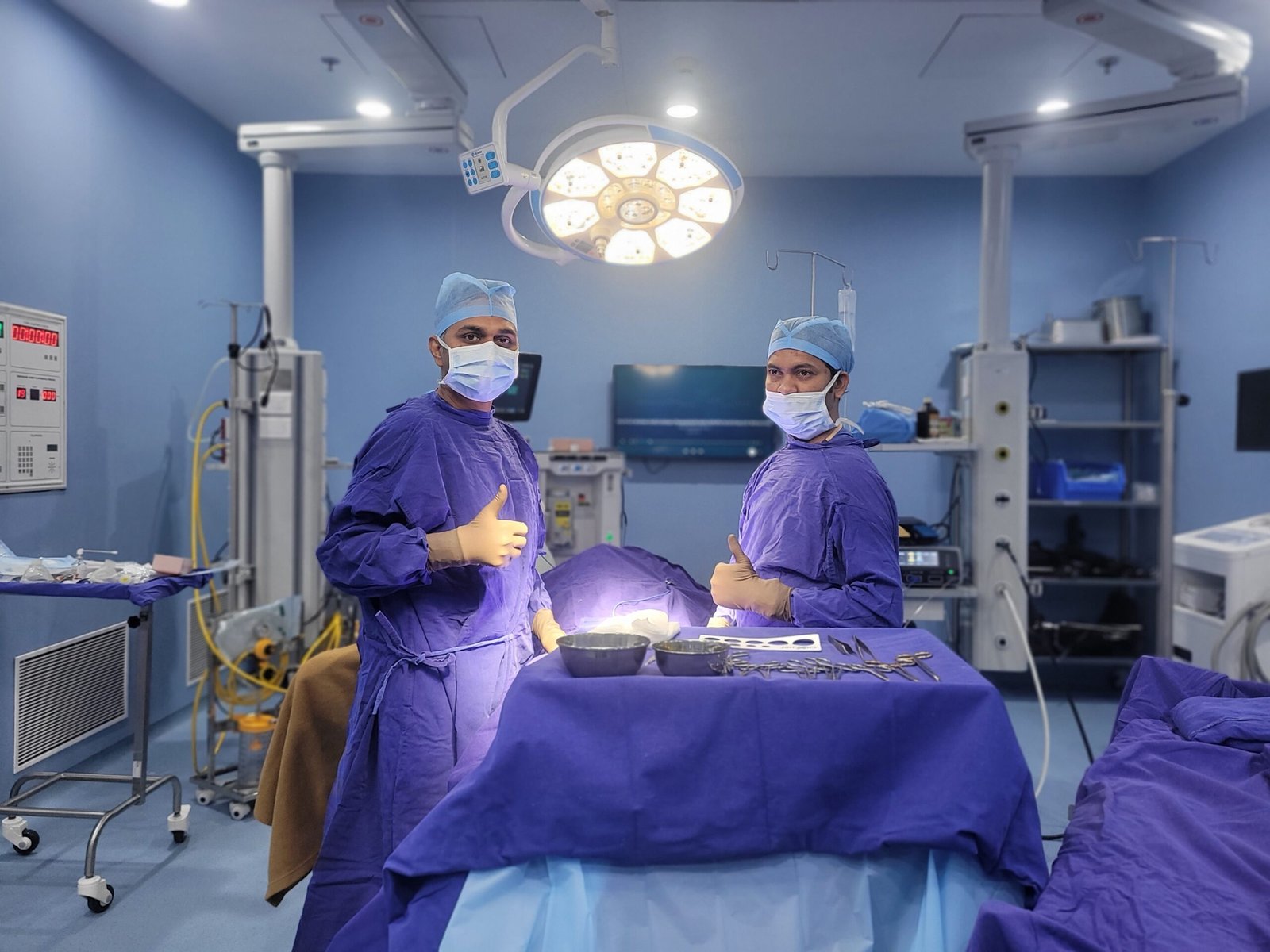
If you have lived with a very enlarged prostate for very long, you know how deeply it affects every aspect of your life. Night after night, sleep is disrupted. Trips to the restroom are numerous. Urination requires concentration. Blood to the brain is reduced because the urine will flow. To accomplish urination, you must purchase a catheter. You know something has to be done. But, how? Medication has failed you. The prostate has become too large for the procedures of common knowledge. You may want to consider the rapidly evolving frontier of surgical procedures involving both ThuFLEP and HoLEP. The impact and efficacy of both surgical options are proven to be long-lasting.
HoLEP and ThuFLEP are two of the two latest procedures involving laser prostate surgery. The two form the new gold standard for treating Benign Prostatic Hyperplasia (BPH). These procedures are virtually bloodless. There are no size restrictions and no instances of the hazardous syndrome known as TURP syndrome as a result. Studies have shown that the effects of the longevity of these two procedures will be greater than that of TURP combined with any laser ablation procedure.
Dr. Vikas Singh is one of the very few specialists in Central India, and as both a consultant and Urologist. HoLEP and ThuFLEP have implemented laser prostate surgery advancements to serve the people of Madhya Pradesh, without the added burden of traveling to metros Mumbai and Delhi.
In order to understand what HoLEP and ThuFLEP are, you need to get a sense of the prostate and how it can become problematic with enlargement.
The prostate is a walnut-sized gland that is situated just below the bladder and surrounds the urethra, which is the urinary canal. The prostate has two layers. The inner layer (which becomes an adenoma during BPH) and the outer layer (the prostatic capsule) remain the same size. BPH occurs when the inner layer undergoes hyperplasia (an increase in size) and obstructs the urethra and pee flow.
Think of it as a hard-boiled egg. The outer shell, which is the prostatic capsule, remains as is. The middle (white adenoma) increases in size. This inner layer of the egg, which is swollen, presses against the urethra and is the origin of the urinary symptoms. The main goal of HoLEP and ThuFLEP is to excise the inner egg white as symmetrically and as precisely as possible, while leaving the outer shell capsule and prostatic capsule alone.
Enucleation, which is the removal of the inner adenoma of the prostatic capsule, is what these procedures entail. The surgeon performing these procedures, via a laser fiber, can shell the tissue as if with a finger in an open prostatectomy. There are no external incisions, thanks to the entire procedure being performed via the urethra, resulting in closed healing.
After the tissue is separated, it is pushed up against the bladder. Once this separates the tissue, it is cut into pieces with a morcellator. The pieces are then suctioned, and the entire obstructing adenoma is cut out, often in one single division and one session, regardless of how large the prostate is.
Most patients see a big, and often, immediate change with the improvement in the urinary flow, within a couple of days after surgery. In fact, with complete obstructing tissue, the risk of the urinary issues worsening is low. This, added with other factors, makes HoLEP and ThuFLEP some of the best options available for Benign Prostatic Hyperplasia.
Both HoLEP and ThuFLEP employ laser enucleation techniques and share the same overall surgical approach that aims to enucleate the entirety of the prostatic adenoma with the laser. The major distinction of the two techniques is the type of lasing device they employ and the characteristics of the lasers.
HoLEP is known to use Holmium: Yttrium-Aluminum-Garnet (YAG) laser, which is a type of pulsed laser with a wavelength of 2,140 nanometers, while the use of Holmium lasers in the field of urology has remained clinical since the mid-90s, with the technology being one of the most well-researched laser technologies in the field. HoLEP enjoys a significant amount of published research after 25 years, with long and short term outcome research (10 year follow up) in support of the procedure, with HoLEP treatment guidelines for BPH categorized as Supported and Endorsed by both the American Urological Association (AUA), European Association of Urology (EAU), and other prominent urological associations.
During a Holmium Laser Enucleation of the Prostate (HoLEP), the laser fiber is placed in the working channel of a resectoscope that is inserted through the urethra. The Holmium laser is designed to send rapid pulses of energy, cutting through the adenoma and prostatic capsule with a high degree of accuracy. The surgeon’s first action is to enucleate the median lobe (if present), and this is subsequently followed by enucleation of the two lateral lobes. Each lobe is then pushed into the bladder. The Holmium laser penetrates tissue to a depth of about 0.4mm. This characteristic of the laser promotes a high degree of precision and extreme control, and consequently causes minimal thermal damage (heat spread) to the urethral sphincter and prostatic capsule.
The prostate capsule also has the characteristic of self-sealing after a laser cut due to the intricacies of the laser’s hemorrhage and vaporization-coagulation cutting simultaneous mechanism and the Holmium laser’s ability to rapidly vaporize and then subsequently coagulate blood vessels in the cutting field. Because of the Holmium laser’s inherent characteristics, significant blood loss with this laser technique is very low, even for people on anticoagulant medications.
ThuFLEP uses a Thulium Fiber Laser (TFL). It is a laser of a newer optical fiber technology. It has a flexible optical fiber and operates at a very small wavelength of approximately 1,940 nanometers. Sometimes ThuFLEP is also named ThuLEP (Thulium Laser Enucleation of the Prostate). Fiber laser (TFLs) crystals update of technology of the thulium lasers.
Continuous-wave Thulium Fiber Laser technology has the ability for smooth and continuous operations through a steady and uninterrupted laser beam. It is unlike the pulse bursts operations of a Holmium Laser. It allows the Thulium Fiber Laser to shoot through tissues and conduct the ThLEF procedure. This is something the Thulium Fiber Laser is known for since the melting and freezing tissue technique of laser has a blood sealing or hematostasis effect. It is comparable to Holmium lasers, and the operating blood is low through the procedure.
Holmium lasers has approximately 0.4 mm of cutting depth and Thulium Fiber lasers has approximately 0.2 mm of cutting depth. This is a strong comparison in the field of operating near the tissues of the anatomy and especially the sphincter unlike the fiber laser technologies. This is the main comparison in the field of anatomy, cutting lasers. Due to the fiber optic technology of slippery and flexible tubes, it allows for further technology advancements. It also allows for further technology advancements.
ThuFLEP’s growing clinical evidence covers numerous prospective randomized controlled trials with HoLEP comparing functional outcomes (urinary flow improvement, symptom score, reduction, quality of life). Due to faster enucleation speeds and slightly better haemostasis, some trials found functional outcomes comparison favoring ThuFLEP over HoLEP. Experts were in consensus that in the hands of highly-skilled enucleation surgeon, the outcomes of HoLEP and ThuFLEP were clinically similar.
For patients who want to understand the technical differences between the two procedures, here is a detailed comparison.
Factor | HoLEP (Holmium Laser) | ThuFLEP (Thulium Fiber Laser) |
Laser Type | Holmium:YAG – pulsed laser | Thulium Fiber Laser – continuous wave |
Wavelength | 2,140 nanometres | ~1,940 nanometres |
Tissue Penetration | ~0.4 mm (very shallow) | ~0.2 mm (even shallower) |
Cutting Mode | Pulsed – rapid bursts | Continuous – smooth, flowing cut |
Haemostasis | Excellent – near-zero blood loss | Excellent to superior – some studies show marginal advantage |
Enucleation Speed | Very fast in experienced hands | Potentially slightly faster – continuous cut |
Evidence Base | Extensive – 25+ years, long-term data | Growing rapidly – multiple high-quality RCTs |
Size Independence | Complete – any size prostate | Complete – any size prostate |
TURP Syndrome Risk | Zero – uses saline irrigation | Zero – uses saline irrigation |
Suitable for Anticoagulated Patients | Yes | Yes |
Functional Outcomes | Excellent – guideline recommended | Equivalent to HoLEP in all studies |
Re-treatment Rate | Below 2% at 10 years | Below 2% (early data equivalent to HoLEP) |
The simple and honest answer is, based on the literature as it stands, that both HoLEP and ThuLEP are clinically equivalent. Which option is best is then determined by the preference of the surgeon based on the equipment of the centre. Since Dr. Vikas Singh is both proficient and skilled in both methods, he will choose as per the anatomy of the prostate and your medical condition you are in.
Between the two laser enucleation BPH procedures, the most widely applicable are HoLEP and ThuLEP and basically encompasses the whole population of possible BPH candidates. Who is the most applicable or who are the primary beneficiaries.
For a long time, men with large prostates (greater than approx. 80 – 100 grams) prostate glands had few options available. The risks with Conventional TURP include bleeding, an increased risk of blood loss, and TURP syndrome with increased time spent in the operating room. For many years, there was the option of Millin’s Procedure (Open Prostatectomy) for patients with large prostate glands. This option was afforded, but there was a long and costly abdominal incision, a prolonged hospitalization of a week or more, and a recovery of 6 to 8 weeks.
HoLEP (Holmium Laser Enucleation of the Prostate) and ThuLEP/ThuFLEP (Thulium Laser Enucleation of the Prostate) work by enucleating the enlarged adenoma from the prostate’s outer capsule, the same plane a surgeon would use in open surgery, which makes even large amounts of obstructing tissue straightforward to remove.
With these techniques there is effectively no upper size limit: prostates of almost any volume can be completely removed in a single session, entirely through the urethra and with no external incision. The adenoma is enucleated in full with minimal blood loss. The average hospital stay is 1 to 2 days, and most patients return to normal activities within 1 to 2 weeks.
Assuming acute urinary retention (or the inability to initiate urination) or chronic urinary retention (or the inability to fully void the bladder) has occurred in a client, they will qualify for HoLEP or ThuFLEP procedures. For these clients, the degree of bladder wall edema secondary to prostate obstruction is such that the bladder has reached a point of no longer being able to fully compensate, and therefore, the surgical removal of the obstruction is the most reasonable resolution.
There is a retention client group where HoLEP and ThuFLEP tend to hold the most promise in the study population. Unlike the more conventional procedures, the HoLEP and ThuFLEP procedures remove all of the obstructing tissue, thus reducing the risks associated with recurrent obstruction as a consequence of incomplete enucleation. For clients forming a retention group who have had an indwelling catheter for several months, and who were told they did not qualify for surgery, the performance of HoLEP or ThuFLEP by an adequately experienced surgeon is their only remaining surgical option.
“Unfit” for TURP on a general level means that a patient can handle surgery, but they have a specific disadvantages that make the general risks of a TURP surgery unacceptable for them. These patients are at a greater risk for TURP syndrome or will suffer a significant risk for acute bleeding during an operation. These patients typically have large prostates that have chronic renal disease, or, due to various reasons, have a slow metabolism for normal, non-salty, irrigation fluids.
Both HoLEP and ThuFLEP use saline irrigation. Thus, TURP syndrome is avoided. Additionally, HoLEP and ThuFLEP have a superiority of hemostasis over conventional TURP. Therefore, it is possible for a significant number of patients who are regarded as unsuitable for conventional TURP to be candidates for laser enucleation. Dr. Vikas Singh has performed HoLEP and ThuFLEP in patients who were previously told that surgical treatment was impossible for them.
HoLEP and ThuFLEP have many advantages. One example of this is that a patient who is considered high risk and elderly due to the fact that they are on blood thinners is able to have this procedure completed. It is quite common for elderly men who have BPH to be on some type of blood thinner or some type of medication that is meant to promote blood thinning. Some of the medications that are commonly used as blood thinners in that population include, but are not limited to: aspirin (Blood thinner), clopidogrel (Plavix) (blood thinner), ticagrelor (blood thinner), rivaroxaban (Xarelto) (blood thinner), apixaban (Eliquis) (blood thinner), and warfarin (blood thinner) (most common).
Risks incurred by stopping these medications include blood clots, stroke, and heart attack. Stopping these medications during traditional TURP may cause dangerous surgical bleeding. Historically, this has presented many older men with a terrible dilemma: Either they continue their medications and face surgical bleeding, or they stop their medications and face life-threatening blood clots, stroke, or heart attack.
HoLEP and ThuFLEP indelibly change this historical dilemma. The laser’s ability to provide continuous and excellent haemostasis allows these procedures to be performed with minimal or no interruption to anticoagulant therapy. Studies examining the laser’s effect during HoLEP and ThuFLEP procedures and patients who are on ongoing anticoagulant therapy report surgical outcomes with HoLEP and ThuFLEP to be excellent and complications to be at the same rate as patients who are not on anticoagulant therapy. Dr. Vikas Singh has successfully saved patients with laser enucleation from severe urinary conditions.
If your urinary symptoms are progressive, do not respond to medications, or are severe, then you should consider HoLEP or ThuFLEP surgery for the following symptoms:
Frequent urination: You need to urinate more than once in an hour, which interferes with your routine.
Waking in the night to urinate: The most adversely affecting symptom of BPH. It also leads to a loss of quality of life. Affected men with enlarged prostates wake up to pass urine up to 6 times a night.
Need to urgently pass urine: A role of control loss, and the driving stream can also be unblocked, and can also have an impairment.
At Kokilaben Dhirubhai Ambani Hospital in Indore, the following information is collected to prepare for a ThuFLEP or HoLEP procedure:
Let’s take a look at what goes on during ThuFLEP or HoLEP surgeries in the simplest of terms.
Step 1 - Positioning and Setup
After the patient undergoes either a spinal or general anesthetic to help with the pain, they are placed on their back in the lithotomy position with their legs in stirrups. After cleaning the perineal and genital areas, the surgery team begins preparing the laser system, which ranges from Holmium: YAG to Thulium Fiber Laser for ThuFLEP, as well as the morcellator.
Step 2 - Cystoscopy and Assessment
A resectoscope or laser cystoscope is inserted into the bladder through the urethra. The resectoscope is advanced into the bladder. (As bladder cystoscopy is done) The surgeon, Dr. Vikas Singh will then assess the spatial relationships of the bladder neck, ureteral orifice, located at the right and left sides in the bladder, as well as the size of the prostate lobes, and the bladder and the urethral sphincter.
Step 3 - Bladder Neck Incision
The first incisions are made at the bladder neck, which is the connection point where the prostate and bladder meet.
Step 4 - Enucleation of Prostatic Lobes
Starting from the bladder neck and moving toward the apex of the prostate which is the proximal part of the prostate next to the sphincter, the laser fiber detaches the prostatic adenoma from the outer capsule. This is the lengthiest part of the procedure. The laser is able to achieve a dissecting cut and also cauterizes severed vessels to keeps the operative field free of blood. As each capsule is cut, the respective lobe is displaced toward the bladder. In larger prostate glands, this step can take between 60 and 90 minutes.
Step 5 - Sphincter Preservation
The most technically challenging part of the procedure is the apex, where the prostate meets the external urethral sphincter. The sphincter is responsible for maintaining urinary continence. Significant care is taken to mitigate any thermal injury to the sphincter fibers. Ensuring the sphincters remain intact and the external urinary continence is preserved is demonstrated by the authors; the technical precision of Dr. Vikas Singh and the limited penetration tissue effects of both the Holmium and Thulium fiber lasers.
Step 6 - Morcellation
The morcellator, which is a suction device that has a rotating blade, replaces the resectoscope after the prostatic lobes are no longer attached to the bladder. The adenoma tissue is cut into many small pieces by the morcellator, and those pieces are suctioned out of the bladder. 60 to 100+ grams of tissue can be removed in a matter of minutes.
Step 7 - Final Hemostasis and Catheter Placement
A final inspection of the prostatic fossa (space remaining after Enucleation) is performed after the resectoscope is reintroduced. Bleeding spots, if any, are coagulated. Continuous bladder irrigation of saline for one night (to minimize the blood in the urine) is the purpose of a three-way urinary catheter.
Some patients may receive spinal anaesthesia, while others receive general anaesthesia, for ThuFLEP and HoLEP. With spinal anaesthesia, the patient is awake and is able to provide feedback during the procedure; however, they do not experience any sensation below the waist.
Surgery duration is directly correlated with prostate size. Removal of one up to one and a half cups of prostate tissue (about 150 grams) will take approximately one and a half to two hours. Surgeries to remove even larger prostates can take more than two to three hours. All of this is in contradistinction to traditional transurethral resection of the prostate (TURP), which is limited to 60 to 90 minutes in order to lessen the chances of developing TURP syndrome. Surgeries for large prostates no longer carry this fluid absorption risk as the saline used for irrigation during the surgery provides a larger safe operating time.
Following HoLEP or ThuFLEP, the patient is moved to their hospital room with a three-way catheter in place to continuously irrigate the bladder. The irrigant will clear to a colorless or light pink flush within 12 to 24 hours. Then the catheter will be converted to a regular two-way catheter.
Most individuals who have undergone the ThuFLEP or HoLEP procedure have their catheter removed within 24-48 hours. This is vastly different from patients who have undergone a TURP procedure, as their catheter is typically in for 48-72 hours. After a patient’s ability to urinate is assessed, discharge may be given.
Patients typically spend 1-2 days in the hospital after a ThuFLEP or HoLEP procedure. Some patients, especially those who have a straightforward enucleation and post-operative urine flow, can be discharged after 1 day. Some elderly or high-risk patients may stay an additional day. After the evaluation of the patient’s urinary flow, the patient is given their discharge instructions, which include a clear post-operative plan, written instructions, and urinary flow assessment before leaving the hospital.
After the ThuFLEP or HoLEP, a three-way catheter is installed and left to continuously irrigate the bladder. The color of the irrigating fluid is a reliable indicator of the status of bladder irrigation; after 12 to 24 hours, satisfactory irrigation is indicated by a shift from bloody irrigation fluid to a transparent flush. Once this is achieved, the three-way catheter is converted to a two-way catheter.
For the majority, the catheter is removed from the bladder two-way after 24 to 48 hours with the ThuFLEP or HoLEP procedure. In contrast, TURPs can keep a catheter in for 48 to 72 hours. The ability of the patient to urinate and the level of the flow are determined by a defined time and low post-void, after which the patient is discharged.
Hospital stays are 1 to 2 days for the majority of the ThuFLEP or HoLEP procedures. Some patients with enucleations and strong post-operative urine are also able to achieve a 1-day discharge. Additional stay days may be required for elderly and/or patients of higher concern. Urine flow is conducted prior to discharge along with complementary post-operative instructions which are provided.
Holmium Laser Enucleation of the Prostate, or HoLEP, and Thulium Laser Enucleation of the Prostate, or ThuFLEP, have an advantage over other surgical alternatives of BPH focused on efficacy on all prostate sizes. Conventional transurethral resection of the prostate (TURP) works best on prostates ranging between 80 and 100 grams. Beyond this range, there is a high incidence of TURP syndrome, as a result of prolonged irrigation, and the surgical resection of the tissue may be incomplete. Photovaporization (using the Green Light Laser) is also limited by the size of the prostate. Open prostate surgery is the solution to prostates that are above the size threshold of the other suture techniques, but it is a highly invasive surgery. Open prostate surgery involves a 10 to 15 cm incision on the lower abdomen, a week-long hospital stay, and an even longer recovery time of 6 to 8 weeks.
Due to the above limitations, radical HoLEP and ThuFLEP have no limits based on the size of the prostate. A 300-gram prostate is very amenable to undergo laser enucleation, as is a 60-gram prostate; the difference is the time taken to complete the enucleation (HoLEP and ThuFLEP are size-independent). This lack of dependence on prostate size means that people with giant prostates and for whom the only provided surgical option was Open Surgery, in the past, can now undergo this minimally invasive procedure, which only requires 1 to 2-day hospital stay and a recovery time measured in weeks and no longer months. This outcome has arguably been the most beneficial to BPH in the last two decades.
Blood loss is a significant complication of many kinds of prostate surgery, including TURP. During TURP, the internal electrical loop of the TURP apparatus makes a clean cut, but the surface of the incision remains raw, causing a significant loss of blood. This requires the use of catheters for 2 to 3 days following the surgery. Blood transfusions are needed in 2 to 5% of TURP surgeries, and the required rate is even higher for larger prostates.
The laser in HoLEP and ThuFLEP methods seals blood vessels repeatedly when it is used to enucleate the adenoma from the capsule. Compared to the raw, bleeding surface created by TURP, the tissue space between the adenoma and capsule has fewer blood vessels. The result is a very clean surgical field. Most HoLEP and ThuFLEP surgeries are performed without any of the significant bleeding events, and the rate for blood transfusions is consistently reported to be less than 1% in experienced surgical centers.
The practical effects of blood loss being so close to zero are significant. The fluid used in catheter irrigation goes mostly clear within hours. This means that the catheter can be removed much sooner. Also, the patient starts to feel much better in less than 24 hours, and the risk of blood loss from the surgery, leading to a clot in the catheter or the surgical field, is eliminated.
When monopolar TURP involves TURP syndrome, a complication occurs when large amounts of non-saline (glycine) irrigation fluids enter the bloodstream and change the composition of the blood. With the large amounts of glycine fluid, the blood undergoes dilution and becomes severely electrolyte-imbalanced, and other issues, including death, can result from the changes. Some symptoms of the conditions caused by the changes may be nausea, pulmonary and cerebral edema.
Due to the danger of developing TUR syndrome, traditional TURP procedures are restricted to a time frame of 60 to 90 minutes. Traditional TUR techniques are not effective when the prostate is especially large, and large prostates often require multiple procedures to remove. Monitoring the fluid balance of the patient is also imperative with the traditional TURP techniques.
The complete absence of TUR syndrome is due to the nature of HoLEP and ThuFLEP procedures. Saline, with its neutral isotonic properties, is used as an irrigation fluid. The lack of concern of electrolyte imbalance due to the nature of saline ensures that fluid absorption won’t result in imbalances harming the body. The traditional TURP techniques and their intraoperative patient fluid balancing are not needed. This is especially valuable in patients with preexisting cardiovascular conditions and renal issues, as they are typically older individuals.
The use of tissue-sparing techniques combined with saline irrigation, near-zero blood loss, and the avoidance of TURP syndrome results in patients undergoing HoLEP and ThuFLEP having a significantly shorter recovery period compared to the TURP procedure and most other traditional prostate surgeries.
Following HoLEP and ThuFLEP, the catheter irrigation fluid typically clears within 12 to 24 hours, whereas it clears within 48 to 72 hours for a traditional TURP procedure. The catheter is removed in 24 to 48 hours, with most patients discharged by post-operative day 1 or day 2. Many centers with a significant HoLEP experience have moved to day surgery or 23-hour stay surgery for select patients. Guidelines for return to normal activities shows a striking difference between HoLEP/ThuFLEP and traditional TURP and other prostate surgeries. With 3 to 5 days for light activities, 1 to 2 weeks for desk work, and 3 to 4 weeks for normal activities, the difference is significant for traditional TURP, with 4 to 6 weeks, and open surgery requires 6 to 8 weeks for full functional recovery.
The most significant clinical impact of HoLEP and ThuFLEP surgeries is the improvement in recovery and constipation rates associated with TURP, due to the complete removal of the inner prostatic adenoma, and the reduced likelihood of regrowth owing to very little tissue being left for the prostatic capsule to obstruct.
Studies on HoLEP over a span of ten years show re-treatments under 1 to 2%. Compare this with TURP: 10 to 15% of patients return for additional surgeries within a decade to address the remaining tissue that grows back. The hallmark of HoLEP and ThuFLEP is that it provides most patients with a permanent solution for the treatment of urinary obstruction caused by BPH. Patients avoid taking BPH-related medication for the rest of their lives and do not have to worry about future surgery.
Surgery Day (Day 0)
It is performed with either a spinal block (only the leg is numb) or under general anaesthesia (you sleep through it). After putting in your three-way catheter, they hook it up to sterile saline (eventually your body). The saline may run into your body continuously for several post-op days, even as you are being moved. The nurses will be on the lookout for any complications that may arise from the three-way catheter.
Day 1 (FMS)
The fluid they used to soften your bladder is drained, and by the next morning usually drains free of color. The three-way catheter will give you cramping and a strong urge to pee. These are more of a bother than a worry, and are more or less expected post-op. To combat the risk of developing clots, you will be encouraged to get up, even just to walk around your room. Your diet is resumed from the morning, and you will get a medication to manage the irritation. Cath conversion and removal may begin on the first post-op day.
Day 1–2 - Cath Removal and Voiding Trial
After a day of draining from your catheter and fluid that is less than clear, it is time for your three-way cath to be removed. You will be encouraged to pee. Everyone usually has better flow when leaving than when arriving, and almost always has no post-void residual. After that, you are free to leave.
You may experience mild burning or stinging during urination. This is merely an irritation of the urethra and occurs as the prostatic fossa heals and comes into contact with urine. It is common for one to experience urinary frequency with mild urgency due to how the bladder and urethra adapt to the newly made broad pathway. After some walking or with minimal physical activity, urine may have a hint of blood in it. This is nothing to be alarmed about. Rest and increase fluid intake to 2 to 3 liters of water a day. For any discomfort that may arise, mild analgesics (paracetamol) are great. Strenuous activity and activities like heavy lifting, cycling, and sexual activity should be avoided and restricted for this period of time.
Once the second week comes, burning and the urgency to urinate will have lessened considerably. At the end of the second week, most will experience a noticeable and consistent change in the flow of urine. Light office work may be resumed, when one feels up to it, by the end of the second week. Driving may also be continued when comfortable. Bladder spasms will also have lessened.
By this time, urinary symptoms will have improved and stabilized. Night time urination, or nocturia, will have improved severely, typically to nothing once, or a maximum of once per night. At the end of the fourth week, a follow-up appointment with Dr. Vikas Singh will be scheduled for uroflowmetry measurement, post-void residual, and an IPSS assessment to objectively confirm the improvements.
The full extent of improvement is most perceptible between 4 and 8 weeks.
After 6 to 12 weeks, a PSA blood test establishes the new post-enucleation baseline. Following HoLEP/ThuFLEP, and after the adenoma tissue is removed, PSA levels significantly decline. The impact of surgery on quality of life is reportedly transformative, and the relief of nocturia, a robust urinary stream, and finally being able to stop taking previously required medications is life-changing.
Recovery tips: Drink plenty of 2 to 3L of water every day, and bladder irritant foods/drinks, such as alcohol, caffeine, spicy foods, and carbonated drinks, should be avoided for a 2 to 3 weeks. Take a mild laxative to help prevent the urge to strain during a bowel movement. Activities such as sitting, cycling, and other perineal pressure-inducing ventures should be limited for 4 to 6 weeks, as should sexual activities. It’s important to recognize that post-surgical semen going into the bladder during orgasm, or retrograde ejaculation, occurring in 50 to 90% of patients, is a harmless, painless, and essentially permanent condition that should be improved with the cessation of the part of HoLEP/ThuFLEP which involuntarily impacts a patient’s fertility.
For the majority of risk categories, HoLEP and ThuFLEP have a significantly better safety profile compared to traditional TURP. However, there are still potential side effects and complications that stem from the nature of the surgery, and every patient should take these into account before consenting to the surgery. Dr. Singh goes over all of this during the pre-op.
Retrograde Ejaculation (50 to 90% - Very Common)
This is the most common side effect. Because the bladder neck’s closure during ejaculation is disrupted by the enucleation, the semen during ejaculation goes into the bladder instead of out the urethra. It combines with urine and is eliminated during urination. Orgasm feels the same to men. Retrograde ejaculation is essentially permanent, so again, this must be accepted before the surgery. If there is a need for biology, sperm banking should be done before the surgery.
Temporary Urinary Urgency and Frequency (4 to 8 weeks - Common)
After years of having the prostate compress the urethra, with the voiding channel being wide, the bladder and urethra temporarily undergo some discomfort, and there is a need to go to the bathroom and some slight burning during the first few weeks post op. These symptoms resolve, and, in almost all patients, are gone within 4 to 8 weeks, with the aid of medications to calm the bladder.
Temporary Stress Incontinence (Common - Usually Resolves Within Weeks):
Patients can leak urine within the first 2 to 6 weeks on physical exertion like coughing, sneezing, or even lifting after undergoing the HoLEP and ThuFLEP, due to sphincter readjustment after the enucleation. Pelvic floor (Kegel) exercises are started the week after catheter removal and help significantly to speed up recovery to continence. With Kegel exercises, the majority of patients attain complete continence within 4 to 12 weeks.
Urethral Stricture (Uncommon - Less than 2%)
As the laser instruments pass through the urethra, minor trauma can cause the formation of scar tissue, a condition called urethral stricture. This is a very rare occurrence in experienced hands and if this condition occurs, urethral stricture is treated with one of the following: urethroplasty, dilation, or office intervention urology (OIU).
Bladder Neck Contracture (Uncommon - Less than 2%)
In some cases, there can be the formation of scar tissue at the bladder neck, which is the area where the bladder and the prostatic fossa meet. This condition can cause narrowing, which can be treated through a simple cystoscopic incision.
Post-operative Bleeding (Rare)
In less than 1% of HoLEP and ThuFLEP cases, there can be significant post-operative haematurria which causes the need for an intervention like a bladder washout or a repeat surgery. This is in great contrast to 2-5% of the traditional Transurethral Resection Procedures (TURP) cases. Blood in urine for the first 1 to 2 weeks is to be expected.
Permanent Incontinence (Very Rare - Less than 0.5%)
After HoLEP or ThuFLEP, the exceptional experience makes the chance of permanent urinary incontinence extremely rare. The uterus sphincter is preserved during the enucleation, The risk of sphincter injury largely remains, especially in patients that have had previous prostate surgery or radiation.
Every risk is thoroughly explained by Dr. Vikas Singh in the pre-operative consultation, making an informed decision a priority to the patient. In the majority of patients suffering from moderate to large BPH, the risk-benefit balance is much more favorable for HoLEP and ThuFLEP.
Posted on GoogleTrustindex verifies that the original source of the review is Google. Dr vikas singh is best urologist in IndorePosted on GoogleTrustindex verifies that the original source of the review is Google. Nice treatmentPosted on GoogleTrustindex verifies that the original source of the review is Google. My treatment given by Dr vikas sir he is best doctorPosted on GoogleTrustindex verifies that the original source of the review is Google. Best doctorPosted on GoogleTrustindex verifies that the original source of the review is Google. Hm log shivpuri se dr vikas sir ko dikhane aaye, sir se milkar bahut acha lga, nature or treatment bahut sahi hePosted on GoogleTrustindex verifies that the original source of the review is Google. Nice doctorPosted on GoogleTrustindex verifies that the original source of the review is Google. Very experienced and caring doctor. Excellent treatment and patient-friendly approach. Highly recommended.”Posted on GoogleTrustindex verifies that the original source of the review is Google. On dt27.06.2026 dr.vikas singh performed my prostatomegaly surgery by Urolift method . I am now fealing very well.Within two days l got discharged from Kokilaban Dhirubhai Ambani hospital Indore (MP).I am very thankfull to this very new method Urolift,Dr.Vikas singh sir and BCM Kokilaben Dhirubhai Ambani hospital,Nipania Indore. ByAdarsh kumar pauranik.Posted on GoogleTrustindex verifies that the original source of the review is Google. Good experience for testis treatment for my son
HoLEP and ThuFLEP provide even better results than regular TURP for various other important metrics regarding prostate size and conversion to TURP syndrome. There are also numerous TURP syndromes. Since the reoperation rates do not exceed 2 percent in the first 10 years vs 10 to 15 percent for TURP, there are also better long-term reoperation rates. For the BPH condition, the international guidelines for the treatment of urology recommend a hoLEP gold standard.
It is proven that HoLEP and ThuFLEP are the most optimal prostate surgery cases that are safest to perform on elderly patients with heart problems. Due to the zero blood loss and utilization of saline in decentralized irrigation, short operating time of spinal anesthesia (TURP syndrome is not applicable here) the patient can have a speedy recovery and significantly better results of the procedure. Dr. Vikas Sing’s best-performing cases are definitely patients who were at a high risk and were especially older in age and had been previously told that surgical intervention was not a possibility for them.
Yes – a urinary catheter is placed during surgery and stays in overnight for irrigation. For most HoLEP and ThuFLEP surgeries, the catheter removal is within 24 to 48 hours, which is faster than traditional TURP, which lasts 48 to 72 hours. Once the catheter is removed, and you are voiding satisfactorily, discharge is arranged.
Retrograde ejaculation is when semen doesn’t exit the penis during orgasms; instead, the semen enters the bladder. HoLEP, ThuFLEP, and TURP carry the risk of retrograde ejaculation from 50 to 90% of the time for the patient. While this seems troublesome, it is a completely harmless side effect. Most men see no difference between their orgasm and their erection. Since the sperm exit the penis, this prohibits natural conception and can affect fertility, so the patient should sperm bank before the surgery. Dr. Vikas Singh ensures that each patient is fully aware of this before the surgery.
Yes. This is one of the major advantages of laser enucleation. HoLEP and ThuFLEP are completely indifferent to prostate size, and prostates of 100, 150, 200, and even larger can be fully treated by enucleation through the urethra with no external incision. The procedure does take longer with larger prostates, but it is completely safe to fully enucleate the prostate with laser enucleation, unlike traditional TURP.
After the procedure, it is common to have lasting results. Since HoLEP and ThuFLEP remove the whole adenoma from the prostatic capsule, there usually leaves almost no tissue to regrow. Studies have shown that HoLEP has a 10-year follow-up showing less than 1% to 2% re-treatment rates. Improvements in urinary function is often, in most cases, for the long term with no need for further adjustments or procedures to be made.
In general terms, ThuLEP refers to laser procedures that utilize the older technology of a crystalline Thulium:YAG laser. ThuFLEP, on the other hand, refers to laser enucleation that uses a newer technology of a Thulium Fiber Laser (TFL), which uses a continuous fiber-based laser as opposed to a pulsed laser. There are a multitude of technical benefits that the TFL offers, including smoother cutting, superior haemostasis, and a more flexible fiber. Although TFL and ThulLEP may be seen as interchangeable phrases, FLEP primarily targets the fiber laser technology.
This is one of the main advantages of HoLEP and ThuFLEP. Both procedures can be performed even for patients on anticoagulants, whether aspirin, clopidogrel, or the newer agents, often with little or no interruption of the medication. The laser provides excellent hemostatic control, so the added bleeding risk normally associated with these drugs is almost completely eliminated. For patients on warfarin, the INR (International Normalized Ratio) can be lowered briefly, in careful coordination with the patient’s cardiologist. Dr. Vikas Singh will review your medication and provide the most appropriate, safest management plan.
The majority of HoLE and ThuFLE procedures will not affect erectile function. This is because the neurovascular bundles, which control erection, lie outside the prostate capsule and are not directly involved in the enucleation procedure. A small number of patients report some temporary changes in their erections in the months immediately following the procedure; however, this is expected to resolve. When compared to the removal of the entire prostate, which is a type of prostate cancer surgery, the risk of developing permanent erectile dysfunction after HOLEP and THUFLLEP procedures is comparatively low is significantly lower than the removal of the entire prostate. Dr. Vikas Singh will take time in your consultation to check your erectile function before the procedure, as well as to outline and plan for your specific concerns.