
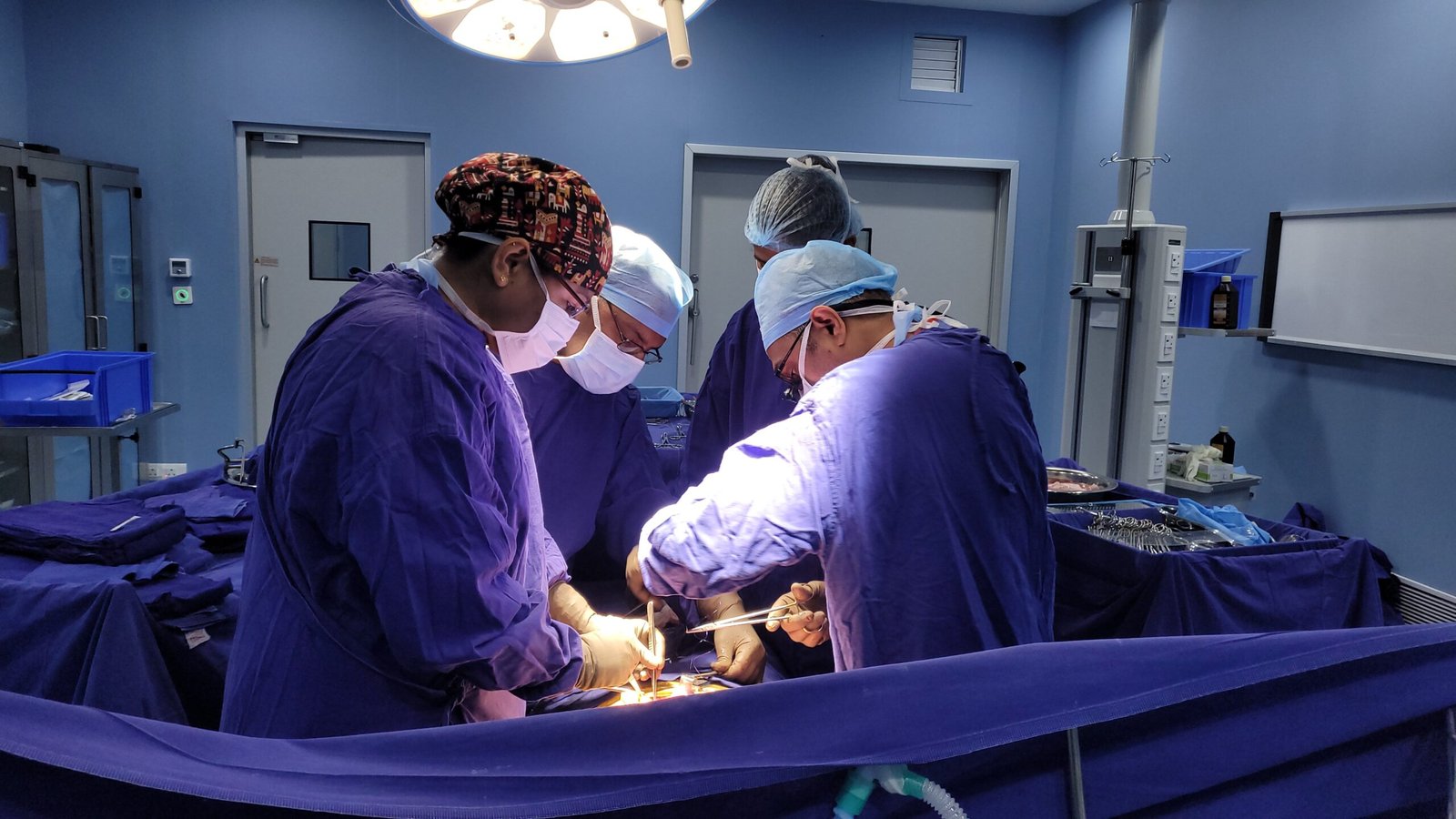
Vesicovaginal fistula is one of the rare conditions in urology that causes such depth of distress and social isolation. Constant, uncontrollable leakage of urine through the vagina, whether or not a woman is actively trying to urinate, robs a woman of the basic dignity and confidence that most people take for granted. Many affected women withdraw from work, social life and even close relationships rather than face the embarrassment of being constantly wet. The good news—and the message that needs to be heard much more broadly—is that vesicovaginal fistula is a highly treatable condition with success rates in experienced surgical hands of over 90 per cent.
VVF is a pathologic communication, a tract or opening, between the bladder and vagina. It allows urine to flow directly from the bladder into the vagina instead of its normal course out through the urethra. VVF has traditionally been most closely associated with prolonged, obstructed labour in low-resource settings with limited access to emergency obstetric care. VVF can also occur as a known complication of gynaecological surgery, pelvic cancer treatment and, less commonly, some infections. VVF can therefore affect women in a wide range of circumstances, not just those associated with childbirth.
A vesicovaginal fistula is an abnormal passage between the bladder and the vagina, resulting in a direct communication through which urine flows from the bladder into the vagina and out of the body, constantly or intermittently, thus completely circumventing the normal urinary path through the urethra. The fistula tract develops when the tissue separating the bladder and vagina, usually a strong barrier, is injured or destroyed, most often by pressure necrosis during prolonged obstructed labour, accidental surgical injury or tissue breakdown following radiation therapy.
The hallmark and most distressing symptom of VVF is a constant leakage of urine from the vagina, whether or not the woman is making a conscious effort to void. This obviously differentiates it from stress or urge incontinence, where leakage is at least partially related to certain triggers or sensations. The size and site of the fistula vary widely from case to case, and these factors, as well as the underlying cause and condition of the surrounding tissue, have a great bearing on the surgical approach necessary and the chance of successful repair in one operation.
Vesicovaginal fistula develops by a variety of mechanisms that injure or destroy the tissue separating the bladder from the vagina, and it is important to know the specific cause in each case for planning the surgical repair and for counselling the patient about the long-term prognosis.
Obstetric Trauma – Prolonged or Obstructed Labour
The signs of VVF are usually characteristic enough to raise strong suspicion, especially with the usual onset related to childbirth, surgery or radiation but the diagnosis needs to be confirmed by appropriate clinical examination and testing.
Continuous Watery Discharge or Leakage From the Vagina
Posted on GoogleTrustindex verifies that the original source of the review is Google. First of all Thankyou soo much sirji... Everything is all right and i am completely satisfied by sirji treatment.....one of the best urologist in indore..Posted on GoogleTrustindex verifies that the original source of the review is Google. My father is operated with prosphate, experience,nature, consultancy is very good. Allover I'm satisfied with the doctor and his services.Posted on GoogleTrustindex verifies that the original source of the review is Google. Best doctor and Best treatmentPosted on GoogleTrustindex verifies that the original source of the review is Google. Good day. Recently we visited Dr Vikas for consultation and for son's treatment at Kokilaben hospital, Indore. The hospital and its facilities are good. And Dr Vikas consultation and expert treatment were even better. He is very approachable, and listens to his patients. As parents, we are satisfied with the treatment and recommend his services. Thank you.Posted on GoogleTrustindex verifies that the original source of the review is Google. Apart from being an extremely talented urologist, Dr Vikas Singh is a great human being. I have been under his consultation for my medical conditions for last more than 2 years and I am immensely satisfied with his precision hands in surgery, his clear understanding and logical action plans to handle a complex situation of patient. I wish him all the best in his endeavours.Posted on GoogleTrustindex verifies that the original source of the review is Google. The experience is very good and nature is good while treatment
Occasionally, very small fistulas, especially those found very early before extensive tissue breakdown has occurred, will close spontaneously with prolonged bladder catheter drainage alone, keeping the bladder empty and allowing the tissue to heal. However, the vast majority of established vesicovaginal fistulas, especially those of more than a few weeks duration, will not close spontaneously without surgical intervention, as the edges of the fistula tract become epithelialised (ie lined with the same type of tissue as the surface to which they connect), which actively inhibits natural healing and closure. The only permanent cure, which is best for most women, is surgical repair.
Surgical repair of vesicovaginal fistula has excellent success rates in experienced hands. Published series have consistently reported successful closure in well over 90 percent of cases with a single operation. Success rates are somewhat lower for more complex cases such as very large fistulas, fistulas related to prior radiation therapy, or fistulas involving other structures such as the ureters, but even these more challenging situations can be successfully repaired in the majority of patients, sometimes with more than one procedure. The likelihood of success in any individual case depends on the size, location and cause of the fistula, and the condition of the surrounding tissue. These factors are carefully considered before planning an operation.
The timing of surgical repair depends on the cause and the state of the surrounding tissue. A waiting period of about three months is usually recommended for obstetric trauma-related fistulas before repair to allow the inflammation and swelling of the original injury to resolve, increasing the chances of successful closure. Some fistulas that are diagnosed and repaired at the same operation in which the bladder injury was inadvertently incurred (eg, hysterectomy) can be repaired immediately. The waiting time for radiation-related fistulas may be even longer due to the slower, more complex healing process in irradiated tissue. Your surgeon will tell you when the best time for you is.
Yes, a urinary catheter is routinely placed after VVF repair surgery to keep the bladder fully empty and free of urine pressure while the surgical repair heals, a necessary factor for successful closure. The catheter is usually left in place for about two to three weeks depending on the complexity of the repair and how well the surgeon feels the healing is progressing, sometimes confirmed with a specific test before the catheter is removed to make sure the repair has healed well and there is no ongoing leaking. This period of catheter drainage, although inconvenient, is an important part of giving the repair the best chance of lasting success.
Many women with successful VVF repair, particularly following obstetric causes, do go on to have further pregnancies, but this needs careful planning and discussion with both an obstetrician and the surgeon who carried out the repair. Future delivery should ideally be by planned caesarean section rather than vaginally, to avoid the same kind of pressure on the repaired area which may have contributed to the original fistula, especially if the fistula was caused by obstructed labour. It is important to discuss your future pregnancy plans with your treating team before and after your fistula repair surgery so that you can plan appropriately.
Normal urinary incontinence , whether of the stress or urge type , is characterised by leakage that is at least partially related to certain triggers , such as physical exertion or a sudden urge to urinate , and the leakage passes out the normal urethral opening . In contrast, a vesicovaginal fistula is when urine is leaking from the bladder directly through the vagina all the time, regardless of whether the bladder is full or not, and without any conscious urge to urinate, because the urine is taking an abnormal direct route from the bladder to the vagina, instead of its normal route. Both conditions cause urinary leakage. VVF leakage is typically continuous and not associated with any specific event. It also tends to occur after childbirth, surgery or radiation. These symptoms help to distinguish it clinically, but a formal examination and testing is required to make the diagnosis.
In many cases, obstetric VVF is preventable with timely access to appropriate emergency obstetric care, including caesarean section when labour is not progressing normally, to prevent the prolonged pressure injury that leads to fistula formation. Surgical VVF is reduced by meticulous surgical technique, especially in higher risk procedures such as radical hysterectomy or surgery with extensive pelvic adhesions, and by early recognition and repair of any inadvertent bladder injury at the time of the original surgery. While not all cases can be prevented, especially those due to cancer invasion or radiation effects, increased awareness and improved access to timely surgical and obstetric care have reduced the incidence of VVF in many settings over recent decades.
Both of these are used depending on size, location and cause of the fistula as well as the preference and experience of the surgeon. Simple, lower fistulas are often best managed via the vagina, avoiding an abdominal incision and usually associated with a somewhat faster recovery. The abdominal route, that can be done laparoscopically, is generally chosen for more complex fistulae that are higher or larger, those involving the ureters or when other tissue such as omentum needs to be brought in to support healing, especially in radiation cases. Your surgeon will recommend the approach he or she believes is most likely to be successful in repairing your particular fistula.
Good hygiene while waiting for surgery can help reduce skin irritation from constant moisture exposure. If any waiting period is recommended to allow for tissue healing, then frequent gentle cleaning and use of barrier creams can be helpful. Continuous catheter drainage of the bladder may sometimes be advised before definitive repair, so as to reduce ongoing leak and allow for tissue healing in the meantime. In the meantime, wearing absorbent protective products and receiving practical advice from your treating team on how to manage the leakage during this waiting period can help reduce discomfort and social difficulty until definitive surgical repair can be performed. Emotional support from family, friends and/or counselling can also help during this difficult waiting period.