Penile health is one of the most personal, and least discussed, aspects of men’s health. However, penile conditions are far more common than most men realise and the impact on quality of life, sexual relationships and psychological wellbeing is profound . Tens of millions of men around the world have erectile dysfunction. Peyronie’s disease, penile curvature from scar tissue, is estimated to affect three to nine percent of men. Premature ejaculation is one of the most common male sexual disorders, affecting up to 30 percent of men at some point. Phimosis, frenulum breve, balanitis and other foreskin conditions cause daily pain, sexual difficulty and anxiety for large numbers of men who never seek help.
The barrier to treatment is not lack of solutions, but embarrassment, silence and the belief that these problems are somehow inevitable or untreatable. They aren’t. Erectile dysfunction is very treatable with medical or surgical treatment. Surgery can correct Peyronie’s disease with excellent results. Behavioural, psychological and medical approaches are successfully used to treat premature ejaculation. Simple, well-tolerated procedures provide a permanent solution to problems of the foreskin and frenulum.
Penile conditions includes any disease, structural abnormality, functional disorder, or injury affecting the penis including the erectile tissue (corpora cavernosa), the foreskin and frenulum, the urethra, the skin, and the supporting neurovascular structures. These include infections and problems with the foreskin, which can affect men of any age; erectile and ejaculatory dysfunction, which increases with age; and structural conditions like Peyronie’s disease, that cause progressive physical and psychological distress.
Many men wait months, years—or forever—before seeking help for penile problems. This delay is understandable, but it is costly. Waiting until the acute phase of Peyronie’s disease is over and the scarring is denser, will allow the disease to progress. Untreated erectile dysfunction worsens as the underlying vascular or neurological cause worsens and the psychological overlay of performance anxiety deepens. Recurrent painful tearing from foreskin conditions worsens with each episode. Specialist care can almost always break and reverse the cycle of untreated penile problems, physical deterioration, relationship strain, withdrawal from intimacy, deepening anxiety . . .
Some of the symptoms of the penis are serious warning signs not to be ignored. If you have a non-healing wound or ulcer on the penis, it could be a sign of penile cancer, one of the most curable cancers if treated early and one of the most tragic if treated late. Any lump or plaque on the shaft of the penis should be checked. Blood in semen should be evaluated. The bottom line for all penile conditions is that early expert assessment leads to better outcomes and most penile conditions have very effective treatments when they get to the right specialist.
Penile Curvature & Peyronie's Disease
Peyronie’s disease is a disease caused by fibrous plaque within the tunica albuginea of the penis resulting in curvature, pain and sometimes erectile dysfunction. Treatment, plication, plaque incision and grafting or penile implant with simultaneous correction is indicated for curvature >30 degrees or painful/impossible intercourse.
ED is the persistent inability to attain or sustain an erection adequate for satisfactory sexual activity. Affects 40 percent of men over 40 to some extent. Vascular disease, diabetes, nerve damage, hormonal imbalance, psychological factors are some of the causes. Treatments include PDE5 inhibitors and surgery to implant a penile prosthesis.
PE is ejaculation that consistently happens before or within one to two minutes of penetration, resulting in personal distress or relationship difficulty. Most common male sexual disorder easily treated with behavioural techniques, topical anaesthetic, selective serotonin reuptake inhibitors (SSRIs) and counselling.
Many penile symptoms are embarrassing, but medically important to discuss. The following require professional assessment, most have effective, straightforward treatments once properly evaluated.
Painful or Curved Erection During Sexual Activity
Penile conditions rarely get better without evaluation and treatment. Specialist urological consultation is particularly needed in the following situations, preferably as soon as possible for most of these conditions.
Erection Problems Lasting More Than 3 Months
Foreskin conditions rank among the commonest penile problems seen in urological practice. They affect men of all ages, from children with developmental phimosis to adults with acquired scarring or recurrent infections. Most conditions of the foreskin can be treated surgically by simple and effective procedures.
What Is Phimosis & When Does It Need Treatment
Phimosis is the inability to retract the foreskin over the glans penis. Non-retractile foreskin is normal in infants and young children, and is physiological phimosis which resolves spontaneously in the vast majority of boys by puberty. In adults, treatment is indicated when phimosis is persistent and causes pain, interferes with hygiene, causes recurrent infection, or obstructs urination. First line management is a course of high potency topical steroid cream (betamethasone 0.05 percent) with gentle stretching which is effective in about 70 to 80 percent of mild to moderate cases. In steroid resistant phimosis circumcision (laser or stapler technique) is the definitive treatment.
Paraphimosis – Emergency Foreskin Condition
Paraphimosis is an inability to return a retracted foreskin to its normal position over the glans, resulting in a constricting band behind the glans, progressively impairing venous drainage with subsequent swelling of the glans and increasing constriction. Prompt treatment of paraphimosis is necessary to prevent glans ischaemia and permanent tissue damage. This needs urgent manual reduction under analgesia or sedation, gentle continuous pressure to reduce the swollen glans followed by advancement of the foreskin. If manual reduction fails, emergency surgical incision of the constricting band is necessary. If the problem settles, elective circumcision will prevent recurrence.
Lichen Sclerosus (BXO) Causing Foreskin Scarring
Lichen sclerosus, previously called balanitis xerotica obliterans (BXO), is a chronic inflammatory skin disease characterised by progressive white, hardened scarring of the foreskin, glans, and sometimes the distal urethra. It causes pathological phimosis resistant to topical steroids, adhesions of the foreskin and urethral stenosis in severe cases. Circumcision entails the excision of the involved tissue with histological confirmation. “ In cases of urethral involvement, additional urethral procedures may be required , Dr. Singh’s specialist knowledge of urethral reconstruction, including AALBEC for severe lichen sclerosus, means he is particularly well placed to manage these complex cases.
Laser Circumcision & Stapler Circumcision for Phimosis
Management of phimosis: Laser (CO2 or diode laser) and stapler (disposable circular stapling device) circumcisions have significant advantages over traditional open circumcision . Laser circumcision results in a virtually bloodless , stitchless wound with minimum post operative swelling , faster healing and excellent cosmetic results . It is preferable for children and patients where precision is critical . Stapler circumcision provides mechanical perfect 360 degree uniformity in less than five minutes, preferred for adults and older adolescents wanting the fastest procedure with the most symmetric result. Both are day-care procedures performed under local anaesthesia. More information on each technique can be found on the Laser Circumcision and Stapler Circumcision pages.
Frenuloplasty for Short or Tight Penile Frenulum
Phimosis is a separate and different condition from a short frenulum (frenulum breve). The foreskin may retract adequately, but the tight frenulum band causes pain and downward penile deviation during erection, and is prone to tearing during intercourse. Frenuloplasty , a simple Z-plasty lengthening procedure done under local anaesthesia as a day-care procedure, permanently relieves the tightness while preserving the foreskin and all frenular sensation. It is the treatment of choice for the frenulum breve in men who desire to preserve their foreskin. In men with concomitant phimosis, circumcision may be combined with frenuloplasty.
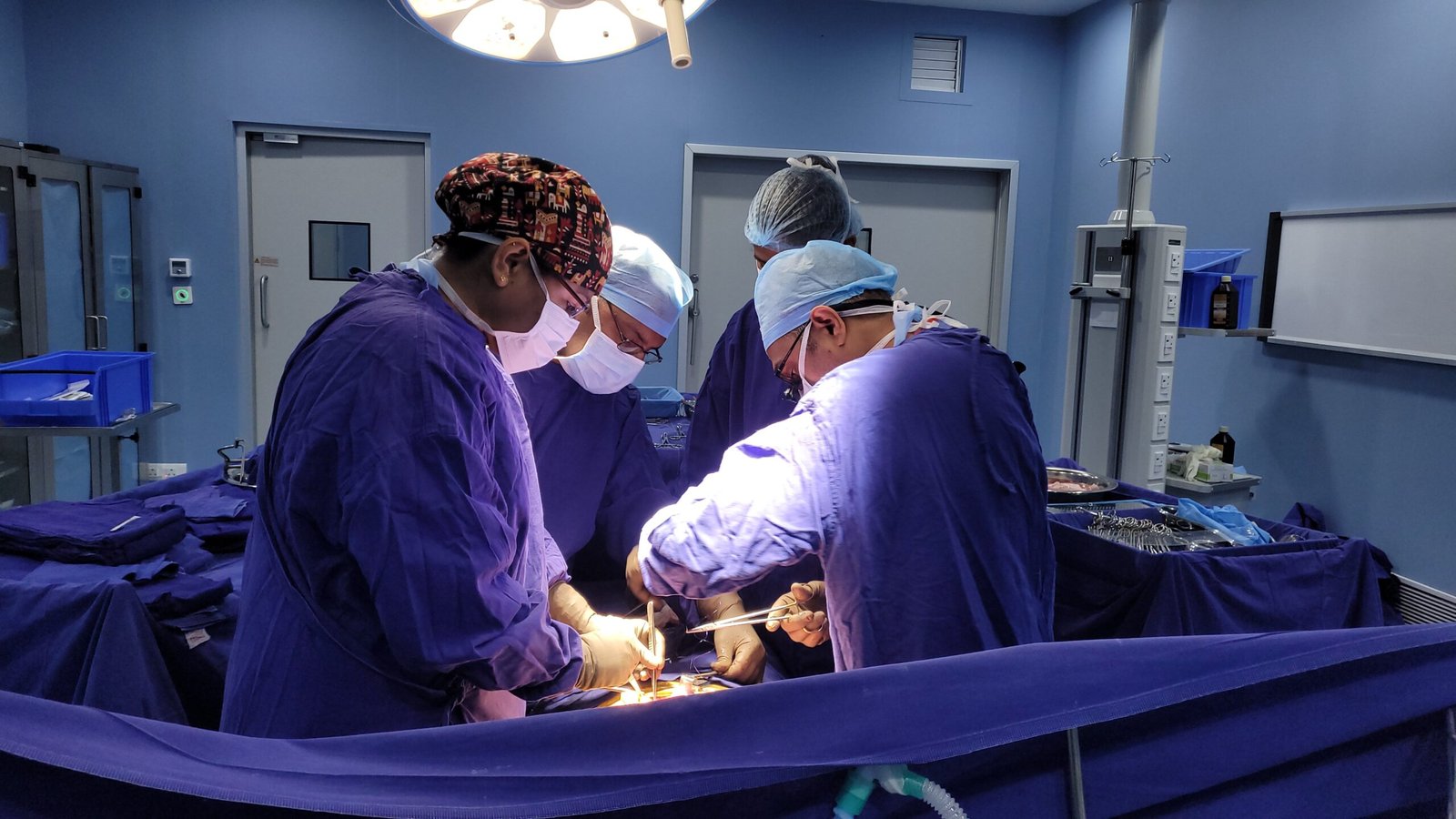
The two most common male sexual disorders are erectile dysfunction and premature ejaculation. These are often found together in the same patient. It is important to understand the relationship between them to manage them properly.
In many men the two are not anatomically related but psychologically linked. Fear of losing an erection during intercourse leads to rushed, anxious sexual behaviour which causes early ejaculation before the erection goes. This ED-driven PE is secondary premature ejaculation, the ejaculatory pattern is an unconscious adaptation to avoid loss of erection, not a primary ejaculatory control problem. If ED is the primary condition, successful treatment of the ED (PDE5 inhibitors, injections or penile implant) will often resolve or dramatically improve the secondary PE at the same time.
Primary premature ejaculation PE that is lifelong, present from the first sexual experience, and not triggered by ED anxiety is thought to have a different physiological basis. It is thought to be related to hypersensitivity of the ejaculatory reflex arc and differences in serotonergic neurotransmitters. This type of PE is best treated with SSRI medications (which have the pharmacological effect of delaying ejaculation), topical anaesthetic agents (lignocaine/prilocaine sprays or gels) and behavioural techniques (squeeze technique, stop-start method) with or without psychosexual counselling.
The practical message: any man who presents with both ED and PE should be assessed for the ED first, as fixing the ED may fix the PE without any separate PE-specific treatment. Dr. Vikas Singh will assess both conditions together in each patient, and formulate an integrated treatment plan that addresses the most likely primary driver of the combined presentation.
Peyronie’s disease and erectile dysfunction often co-exist, so it is important to understand how the two are related in order to decide on the best treatment. “About 30 to 50 percent of men with Peyronie’s disease have concomitant ED, and the two conditions impact each other in a way that makes combined management both clinically logical and surgically practical.
How Penile Plaque & Curvature Causes or Worsens ED
Erectile function is affected in Peyronie’s disease by multiple interacting mechanisms. The fibrous plaque interferes with the normal uniform expansion of the tunica albuginea during erection, thus preventing full rigidity that requires symmetric, complete corporal expansion. Venous leak can occur distal to or adjacent to the plaque as the damaged tunica fails to maintain adequate venous occlusion. This curvature has a psychological burden, anxiety about appearance, fear of pain to the partner, performance anxiety, creating a significant psychogenic overlay further impairing erection. In men with existing vascular risk factors (diabetes, hypertension, smoking), the Peyronie’s plaque is just one more insult to the already-compromised vascular erection mechanism.
For a man with Peyronie’s disease who has significant curvature and also has co-existing erectile dysfunction that has not responded to oral medication therapy, a penile implant is often the most logical single and comprehensive solution, providing reliable, on-demand erection (for the ED) and correcting the curvature (the mechanical effect of the uniformly expanding inflatable cylinders against the plaque). This is not merely an expedient combination but a truly effective treatment for the combined presentation with patient satisfaction rates of 90 to 96 percent in published series .
The surgical technique for treating Peyronie’s disease involves penile implant surgery where the surgeon straightens the penis by applying a sustained, controlled force to the plaque with the cylinders fully inflated. For moderate curvatures (less than 60 degrees) modelling alone usually provides sufficient straightening. In the case of greater curvature (over 60 degrees) or hourglass deformity, plaque incision and grafting is done at the same surgery with the implant providing the scaffold and maintaining the corrected geometry during healing. This approach involves a dual single-procedure that eliminates staged surgeries and provides functional and structural restoration in a single recovery.
Reported outcomes of penile implant surgery with concurrent Peyronie’s correction are uniformly excellent. Patient satisfaction rates are reported at 90 to 96 percent . In most patients residual curvature of less than 20 degrees is achieved and this is acceptable to the large majority of patients and their partners. The penile length results are usually better than with plication alone, as the implant cylinders regain some of the length lost to Peyronie’s contracture. The psychological advantage, the correction of both the functional impotence and the physical deformity in a single operation, is life-changing for most patients. The beneficial effects on relationships, sexual confidence, and general quality of life are far-reaching.
Erection is fundamentally dependent on healthy blood vessels, and the same lifestyle factors that harm cardiovascular health also harm penile health. Protecting penile health is tied to protecting cardiovascular health.
Role of Diabetes & Hypertension in Penile Health
Penile conditions need a surgeon with the technical know-how and the sensitivity to understand the intensely personal nature of these conditions. This is why patients all over Indore and Central India choose Dr. Vikas Singh:
Posted on Google ANIL SWAMITrustindex verifies that the original source of the review is Google. अत्यंत ज्ञानवर्धक ज्ञान मिला धन्यवाद, क्या Dilo dil D के सेवन से नाक बंद होने की समस्या होती हैPosted on Google Aditya SolankiTrustindex verifies that the original source of the review is Google. Dr vikas singh sir ne 24 mm ka stone kokilaben ambani hospital me high frequency wali RIRS method se bahut ache se bina Dard ke nikal diya or aaj DJ Stent bhi removal kr diyaPosted on Google Jaydeep SitoleTrustindex verifies that the original source of the review is Google. We are incredibly grateful to Dr. Vikas. My mother underwent a URS surgery for a stone under his care, and he did a fantastic job. Not only is he an expert in his field, but he is also extremely humble and reassuring. My mother is completely healthy and comfortable now. Thank you, Dr. Vikas, for your wonderful treatment and care.Posted on Google Rupesh DubeyTrustindex verifies that the original source of the review is Google. Meri ka 20mm or 15 mm ka stone tha or hum log Dhar se hain or dr vikas singh sir ne kokilaben hospital me kidney stone mini PCNL method se stone remove kr diya hai thanks dr vikas sirPosted on Google Rishi VermaTrustindex verifies that the original source of the review is Google. Meri mother ka name fulwanti he, hum indore se hai dr vikas singh sir ne kokilaben hopital me 21 mm ka stone nikal diya ab meri mother bilkul thik haiPosted on Google Vidhi ChourasiyaTrustindex verifies that the original source of the review is Google. Dr. Vikas Singh was very prompt with his treatment for my father. The entire consultation was extremely helpful, and he explained everything clearly. We are very satisfied with the care and guidance provided by him.Posted on Google ध्रुव प्रकाशTrustindex verifies that the original source of the review is Google. अभी आपका AToZ नही देखा है लेकिन उपाय वाला उपयोगी है साधुवाद।Posted on Google priti jainTrustindex verifies that the original source of the review is Google. 25 mm stone removed through mini PCNL therapy safely … I’m from sagar Mp and experience was good… nice doctor and associated staffPosted on Google Santosh sharmaTrustindex verifies that the original source of the review is Google. मैंने अपनी दोनों किडनी की पथरी का ऑपरेशन RIRS (Retrograde Intrarenal Surgery) विधि से डॉ. विकास सिंह सर के मार्गदर्शन में करवाया। ऑपरेशन से पहले मैं और मेरा परिवार काफी चिंतित और डरे हुए थे, लेकिन जब हम डॉ. सर से मिले तो उनकी स्पष्ट सलाह, आत्मविश्वास और सकारात्मक व्यवहार ने हमारा सारा डर दूर कर दिया। सबसे बड़ी बात यह रही कि मुझे केवल एक दिन के लिए अस्पताल में भर्ती रहना पड़ा और अगले ही दिन डिस्चार्ज कर दिया गया। ऑपरेशन के तुरंत बाद पथरी के दर्द से काफी राहत मिल गई, जो हमारे लिए किसी चमत्कार से कम नहीं था। डॉ. विकास सिंह सर का व्यवहार अत्यंत विनम्र, सहयोगपूर्ण और भरोसेमंद है। साथ ही अस्पताल का पूरा स्टाफ भी बहुत पेशेवर, संवेदनशील और मददगार है। कोकिलाबेन अस्पताल में हमें उत्कृष्ट चिकित्सा सुविधाएँ और बेहतरीन सेवा प्राप्त हुई। शुरुआत में हमें यह चिंता थी कि कहीं हम गलत जगह तो नहीं आ गए हैं, लेकिन आज अपने सफल उपचार के बाद मैं पूरे विश्वास के साथ कह सकता हूँ कि यह हमारा बिल्कुल सही निर्णय था। यदि आप किडनी स्टोन की समस्या से परेशान हैं और कम समय में सुरक्षित एवं प्रभावी उपचार चाहते हैं, तो मैं निःसंकोच डॉ. विकास सिंह सर की सलाह दूँगा। उनके अनुभव, विशेषज्ञता और मरीजों के प्रति समर्पण पर आप पूर्ण विश्वास कर सकते हैं। धन्यवाद, डॉ. सर और पूरी टीम, जिन्होंने मुझे दर्द से राहत देकर एक नई शुरुआत दी।Posted on Google Dharmendra PanchalTrustindex verifies that the original source of the review is Google. Mere father ka prostate ka ilaj dr vikas sir ne kiya or sir ka nature bahur acha hai
Erectile dysfunction becomes increasingly common with age, affecting about 20 percent of men in their 40s and about 50 percent of men in their 60s and 70s. But ED is not an inevitable part of ageing; it’s a medical disorder with known causes and effective treatments available at any age. The prevalence of erectile dysfunction increases with age largely due to the progressive vascular changes associated with ageing (diabetes, hypertension, high cholesterol, smoking) that impair penile blood flow, and because of the neurological ageing changes that impair the erectile reflex. Referral to a specialist is appropriate at any age if a man’s ED is causing distress or affecting his relationship, as effective treatment is available even in elderly men with significant comorbidities.
The word ‘cured’ suggests a permanent resolution after a finite course of treatment, and for PE the realistic expectation is excellent control rather than permanent cure in most cases. Most men with PE experience a significant increase in ejaculatory latency and control when treated appropriately. Clinical studies have demonstrated that SSRI medications (especially dapoxetine, which is specifically approved for PE, or daily low dose sertraline or paroxetine) increase ejaculatory latency by three to five fold. Topical anaesthetic agents (lidocaine-prilocaine sprays) reduce penile sensitivity and prolong ejaculation . Behavioural techniques (stop-start, squeeze method) teach learnt ejaculatory control. Psychosexual counselling can help with underlying anxiety and relationship issues. A lot of patients can have sustainable long-term control, but if the treatment is stopped, there can be a relapse, especially for primary PE.
Peyronie’s disease resolves spontaneously and completely in only five to fifteen percent of patients. About 30 to 40 percent have partial improvement (reduction in curvature angle or pain). Most men, 50 to 60 percent, have stable disease or progressive worsening without treatment. Even in the ‘improving’ group the improvement is rarely complete and the underlying plaque remains. The best chance to limit progression and to minimise the final deformity is early treatment in the acute phase (first six to eighteen months) with collagenase injection therapy, penile traction and appropriate anti-inflammatory management . If the disease has become chronic and stable, the surest way of achieving a significant improvement is by surgical correction.
Phimosis is when the foreskin cannot be fully pulled back over the glans penis, the opening is too tight to retract. It is a chronic condition that is treated electively with steroid cream or circumcision. Paraphimosis is the acute emergency version . The foreskin has been pulled back behind the glans and can not be pulled forward again . The retracted prepuce forms a tight constricting ring which, through compromised venous drainage, gradually swells the glans and may cause ischaemia. Paraphimosis requires immediate treatment , either manual reduction or emergency surgical release . Untreated paraphimosis can cause permanent damage to the glans . Any man who cannot replace his foreskin to its normal position after retraction should seek emergency urological assessment immediately.
ED that has been consistently present for three months or more warrants specialist medical assessment. It’s common to have isolated or occasional episodes of erectile difficulty — especially in the context of stress, fatigue, alcohol or relationship tension — and they don’t necessarily indicate a medical condition. The clinical threshold is ED that is consistent, present in most sexual encounters despite willingness and adequate stimulation, for three months. Beyond this threshold, the causes need to be identified and treated, because many causes of ED (diabetes, hypertension, cardiovascular disease, testosterone deficiency) are progressive if not treated, and the psychological burden of untreated ED compounds over time.
Surgery to implant a penile prosthesis is the most effective and permanent treatment for those who have failed other therapies . However , it is not the only option and is not considered as first therapy for most patients . The journey to treatment for ED begins with the identification and management of any reversible causes (lifestyle modification, blood sugar and blood pressure optimisation, testosterone replacement if deficient). This is followed by the use of PDE5 inhibitors (Viagra, Cialis, Levitra) as a first-line medical treatment, intracavernosal injection therapy (self-administered penile injections) as a second-line treatment and penile implant surgery as the definitive third-line treatment for patients who have failed or are unsuitable for medical management. Penile implant surgery is the option when conservative and medical treatments have truly failed . It has the highest patient satisfaction rates of any ED treatment .
Penile fracture is the rupture of the tunica albuginea, the fibrous sheath surrounding the erectile chambers of the penis. It typically occurs during vigorous sexual intercourse, when an erect penis is forcibly bent against a hard surface . It is marked by an audible ‘crack’ or ‘pop’, immediate pain, rapid loss of erection and rapid development of significant penile bruising and swelling (the ‘aubergine deformity’). Penile fracture is a urological emergency that requires urgent surgical repair. The torn tunica should be sutured within hours to avoid permanent deformity and erectile dysfunction. Don’t use ice. Don’t try to manipulate the penis. Don’t wait to see if it gets better. Proceed directly to the emergency department.
An infant or young child with a physiologically non-retractile foreskin is absolutely nothing wrong and requires no treatment whatsoever . In the vast majority of boys , this condition resolves itself by puberty without any intervention whatsoever . Medical attention for foreskin problems in children includes recurrent UTIs with tight foreskin, true phimosis with urinary obstruction (ballooning), recurrent balanitis not responding to improved hygiene and lichen sclerosus. Treatment for medical indications in children can be considered from any age, the most common age for surgical intervention is 5 to 12 years . Religious circumcision may be done from the newborn period onwards. Dr Vikas Singh performs laser circumcision in children under general anaesthesia with age appropriate technique and anaesthetic management.
Yes but the causation is more often the other way around (ED causing PE) than PE causing ED. But long-standing PE can create conditions that can cause or exacerbate ED over time. The chronic anxiety, performance pressure and loss of sexual confidence that accompany uncontrolled PE can lead to the same self-reinforcing anxiety cycle that underlies psychogenic ED. Partner frustration and avoidance of PE problems can limit sexual opportunity and heighten anxiety. The sexual avoidance many men with PE develop removes the rehearsal of erection that maintains penile vascular health. This is another reason why it is advisable to seek treatment for PE sooner rather than later. Untreated PE can be a contributor to acquired psychogenic ED over time.
24/7 Services Available
Copyright © 2026 Urology Center | All Rights Reserved
Design and Developed by Namastetu Technologies Pvt.Ltd