Conditions of the foreskin are among the most common and most frequently ignored urologic problems of men and boys. They can significantly affect urination, intimacy and comfort in everyday life, from painful retraction caused by tightness, to a frenulum that tears during sex, to recurrent infections beneath the foreskin.
But many men take months or years to seek help, often because they are embarrassed to talk about it or think it will go away on its own. It hardly ever does. Most conditions of the foreskin are easily diagnosed and respond very well to treatment, but the sooner they are treated, the simpler and less invasive the treatment required.
The foreskin (prepuce) is a double layer of skin and mucous membrane covering and protecting the glans (head) of the penis in uncircumcised males. It is a normal , natural anatomical structure that every male child is born with . The foreskin is not vestigial skin but a specialized tissue with important protective, sensory and functional roles.
The foreskin is a continuation of the skin of the shaft of the penis. Its inner surface is directed toward the glans. It is a mucous membrane, soft and moist and full of nerves. The preputial opening is the hole at the end of the foreskin. The foreskin is retracted to expose the glans through a narrow ring of tissue. The frenulum is a small band of sensitive tissue that connects the underside of the glans to the inside of the foreskin and is one of the most sensitive parts of the male genitals.
The foreskin is not a sack. The outer layer is keratinised skin, identical to the skin on the rest of the penile shaft. The innermost layer is smooth, sensitive, non-keratinized mucosa continuous with the mucous lining of the glans. It has a rich supply of blood vessels, lymphatics and specialized nerve endings . These include Meissner’s corpuscles (very sensitive mechanoreceptors) which play a large part in sexual sensation.
The foreskin ends in a ring called the preputial opening. This has a cluster of smooth muscle fibers which control the extent of the opening’s constriction . If the ring is too tight normal retraction is not possible (phimosis). The frenulum ( frenulum preputii ) is a small elastic band of tissue that runs along the underside of the glans, uniting the inner foreskin with the glans just below the opening of the urethra. It is the most common tissue involved in frenulum breve (short frenulum) conditions.
In infants and young children the inner surface of the foreskin is normally adherent to the glans. This is a normal physiological condition called physiological phimosis. It’s normal for you not to be able to pull back the foreskin at birth. Gradual natural separation occurs over the first few years of childhood, usually by age 5 to 7 in most boys, but in some full retraction may not occur until adolescence or early adulthood.
Once a male hits puberty the foreskin should be fully retractable, meaning when you pull it back you can see the whole glans. Adequate retractability is important for proper genital hygiene (allowing cleaning under the foreskin), comfortable erections and pleasurable sexual activity. The frenulum is normally elastic enough to allow full retraction without tension or discomfort.
The foreskin is a medical problem when its normal structure, mobility or function is impaired. This may be due to congenital tightness which has failed to resolve at the expected age, or due to scar tissue from inflammation or infection, or a short or inelastic frenulum. Progressive conditions such as lichen sclerosus may also cause problems with the foreskin. Medical evaluation and treatment are indicated when these changes interfere with normal retraction, produce pain, interfere with urination, affect sexual function or predispose to recurrent infection.
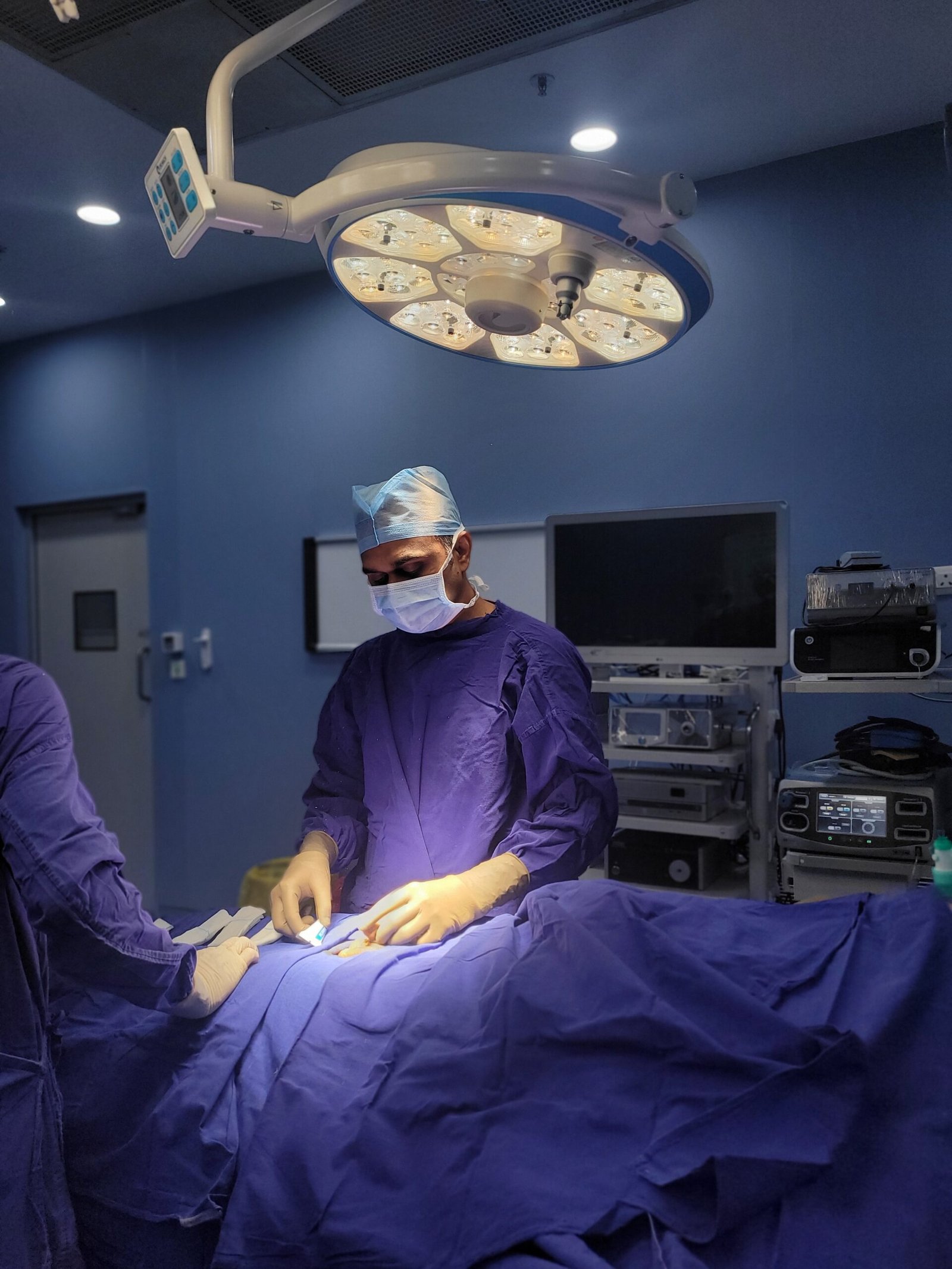
The three most common foreskin conditions treated by Dr. Vikas Singh at Kokilaben Hospital, Indore, are:
Phimosis (Tight Foreskin That Cannot Retract)
This is when the foreskin is too tight to pull back over the penis head. It can be painful, make it difficult to pass water and cause problems with sexual intercourse. May be physiological in children or pathological (scarring) in adults.
The frenulum is an elastic band that connects the foreskin to the underside of the glans and it is too short or inelastic, tearing, bleeding and pain may occur during erection or sexual intercourse. Easy and easily controlled.
Infection and inflammation of the foreskin and the head of the penis causing redness, swelling, itching and discharge. Usually due to Candida (thrush) or bacteria. Occurs repeatedly in men with phimosis, diabetes or poor hygiene.
The conditions of the foreskin cause a variety of symptoms which are often overlooked or attributed to slight irritation. A urological evaluation should always be carried out for the following symptoms, particularly when they are recurrent or persistent :
Pain or Difficulty During Urination
In severe phimosis the opening of the foreskin may be so tight that it restricts the flow of urine leading to a thin stream, straining, ballooning of the foreskin during urination or pain. This symptom is very similar to the urinary obstruction of prostate disease, but needs to be properly investigated.
Pathological phimosis is the inability to fully retract the foreskin of an erect penis with pain when stretching the tight foreskin over the swollen head of the penis and requires treatment. This leads to pain during sex, reduces sexual pleasure and may result in small tears at the edge of the foreskin that heal with progressive scarring.
Infection of the glans and foreskin (balanoposthitis) is marked by redness, swelling and a purulent or foul smelling discharge from under the prepuce. The symptoms are very uncomfortable and include itching and pain on urination. Recurrent episodes indicate an underlying predisposing factor (phimosis, diabetes, poor hygiene) which should be addressed.
Pain on sexual intercourse, especially at the foreskin or frenulum, may be a symptom of phimosis (tight foreskin pulled by the engorging glans) or frenulum breve (the short frenulum pulled painfully when retracted). Both conditions respond very well to targeted surgical treatment and do not require telling a partner anything other than that a minor urological procedure was done.
Frenulum tearing is a known presentation of frenulum breve in which the short, inelastic frenulum tears partially or completely during vigorous intercourse. It causes sudden, sharp pain and bleeding during or after sex. A torn frenulum will usually heal but it heals with scar tissue. Each time the frenulum tears it becomes shorter and less elastic, making the problem progressively worse. A single episode of frenulum tearing is enough to warrant evaluation.
Recurrent episodes of redness, swelling and discharge under the foreskin, especially if there are 3 or more episodes per year, constitute recurrent balanoposthitis and are an indication for definitive treatment. Repeated infections cause chronic inflammation under the foreskin which in turn progressively worsens any phimosis and increases the risk of long-term complications including lichen sclerosus and penile cancer in the longer term.
Understanding the cause of a foreskin condition is essential for selecting the most effective treatment and preventing recurrence:
Poor Hygiene & Smegma Buildup
Smegma is a natural lubricant, composed of shed skin cells and oily secretions. Smegma can build up under the foreskin of an uncircumcised man. Smegma can be easily washed away with daily washing and is not a problem in men who can retract the foreskin completely and clean under it regularly. In men with phimosis or limited retraction, smegma accumulates, stagnates and is an ideal medium for bacterial and fungal proliferation leading to balanitis and recurrent infection.
Each episode of balanitis is a local inflammatory process healing with some deposition of scar tissue, which gradually thickens and tightens the foreskin. Repeated cycles of infection-inflammation-scarring can progressively worsen any pre-existing phimosis and lead to lichen sclerosus (BXO), an irreversible, progressive fibrosing condition of the foreskin and glans.
A common damaging practice in young boys is forceful retraction of the foreskin before natural separation from the glans. It destroys the natural adhesions between the foreskin and the glans. These heal with scar tissue, which often makes the foreskin tighter than it was prior to the forced retraction. Parents and health care providers need to be aware that physiological phimosis in young boys does not require forced retraction but observation.
Certain sexually transmitted infections can cause severe inflammation of the foreskin. Herpes simplex virus (HSV) and Candida are the most common, but gonorrhoea may be a factor in some communities. Recurrent herpes outbreaks under the foreskin are associated with progressive scarring. Targeted treatment of STI-related balanitis, management of the condition of the foreskin.
Lichen Sclerosus (BXO) is a chronic progressive inflammatory disease of the skin which directly involves the foreskin, resulting in white thickened atrophic plaques slowly tightening the opening of the foreskin and glans. It is one of the more common causes of pathologic phimosis in adults and is highly associated with elevated risk of penile cancer. Psoriasis may also involve the genital skin with red scaly plaques on the foreskin and glans which may be mistaken for balanitis.
Congenital phimosis is present at birth. It is defined as an abnormal tight preputial opening that does not resolve with age as expected. This differs from acquired phimosis (which develops later due to scarring or inflammation) and is treated differently, with topical steroid cream as first line treatment in children, and circumcision or preputioplasty for cases that do not respond to conservative treatment.
Please seek a urological evaluation without delay if you or your child experiences any of the following:
Yes, untreated foreskin conditions can have significant medical consequences:
Risk of Penile Cancer Due to Untreated Phimosis
Chronic phimosis, especially when associated with recurrent balanitis, poor hygiene, HPV infection and especially lichen sclerosus, is a major risk factor for penile cancer. Studies show that phimosis is found in around 50 to 70% of penile cancer patients. The tight foreskin creates a closed moist environment that harbours HPV and carcinogens, causing progressive DNA damage to the foreskin and glans skin over years. Circumcision by removing the foreskin environment greatly reduces the risk of penile cancer. Phimosis, untreated, does not.
Paraphimosis is defined as the inability to replace the retracted foreskin in its normal position over the glans penis. The retracted foreskin forms a tight constricting ring around the base of the glans, occluding venous return and causing rapidly progressive oedema (swelling), pain and, if not treated within hours, ischaemia (loss of blood supply) and potential necrosis of the glans. A man who is unable to replace a retracted foreskin in its normal position should present to the emergency department immediately. Circumcision is strongly recommended after the acute episode has resolved in order to prevent recurrence.
Each attack of balanitis or foreskin infection leaves some scar tissue behind. Repeated infections, especially over a period of months to years, of course, cause progressive thickening and tightening of the foreskin through cumulative scarring. This progressive tightening can ultimately result in the complete picture of lichen sclerosus with white fibrotic plaques extending to the glans, meatus, and even into the distal urethra resulting in meatal stenosis and urethral stricture requiring complex reconstructive surgery. Early BXO is much easier to treat with circumcision than advanced BXO.
Many foreskin conditions are preventable with appropriate hygiene, education, and early treatment of mild problems:
Daily Foreskin Care Routine: Gently retract foreskin (only as far as comfortable, never forcibly retract in children), wash inner surface of foreskin and glans with warm water, dry thoroughly and replace foreskin to normal position over glans. This takes 30 seconds and prevents the buildup of smegma and bacterial growth. Avoid putting soap on the inner foreskin. This will wash away the natural secretions that protect the foreskin and may cause chemical irritation.
Using a condom for sex all the time reduces the risk of HPV, herpes, gonorrhoea and other sexually transmitted infections that can cause or worsen foreskin conditions. Vaccination of adolescent boys against HPV before they become sexually active offers substantial protection against HPV-related foreskin and penile cancer. Sexual partners with known genital infections should be treated before resumption of unprotected intercourse.
Physiological phimosis in young boys usually resolves spontaneously without the need for intervention. If phimosis persists after the age of expected resolution (usually 5 to 7 years) or is associated with symptoms (ballooning, difficulty urinating, recurrent infection), treatment should be initiated expeditiously. Topical steroid cream (betamethasone 0.05% or clobetasol) applied to the tight foreskin ring twice daily for 6 to 8 weeks is the first line treatment for mild to moderate phimosis in children and adolescents . This is a simple, non-invasive treatment with a success rate of 65 to 85% for early phimosis. Phimosis grade 3 to 5 or failed steroid treatment should be referred for surgery.
Posted on Google ANIL SWAMITrustindex verifies that the original source of the review is Google. अत्यंत ज्ञानवर्धक ज्ञान मिला धन्यवाद, क्या Dilo dil D के सेवन से नाक बंद होने की समस्या होती हैPosted on Google Aditya SolankiTrustindex verifies that the original source of the review is Google. Dr vikas singh sir ne 24 mm ka stone kokilaben ambani hospital me high frequency wali RIRS method se bahut ache se bina Dard ke nikal diya or aaj DJ Stent bhi removal kr diyaPosted on Google Jaydeep SitoleTrustindex verifies that the original source of the review is Google. We are incredibly grateful to Dr. Vikas. My mother underwent a URS surgery for a stone under his care, and he did a fantastic job. Not only is he an expert in his field, but he is also extremely humble and reassuring. My mother is completely healthy and comfortable now. Thank you, Dr. Vikas, for your wonderful treatment and care.Posted on Google Rupesh DubeyTrustindex verifies that the original source of the review is Google. Meri ka 20mm or 15 mm ka stone tha or hum log Dhar se hain or dr vikas singh sir ne kokilaben hospital me kidney stone mini PCNL method se stone remove kr diya hai thanks dr vikas sirPosted on Google Rishi VermaTrustindex verifies that the original source of the review is Google. Meri mother ka name fulwanti he, hum indore se hai dr vikas singh sir ne kokilaben hopital me 21 mm ka stone nikal diya ab meri mother bilkul thik haiPosted on Google Vidhi ChourasiyaTrustindex verifies that the original source of the review is Google. Dr. Vikas Singh was very prompt with his treatment for my father. The entire consultation was extremely helpful, and he explained everything clearly. We are very satisfied with the care and guidance provided by him.Posted on Google ध्रुव प्रकाशTrustindex verifies that the original source of the review is Google. अभी आपका AToZ नही देखा है लेकिन उपाय वाला उपयोगी है साधुवाद।Posted on Google priti jainTrustindex verifies that the original source of the review is Google. 25 mm stone removed through mini PCNL therapy safely … I’m from sagar Mp and experience was good… nice doctor and associated staffPosted on Google Santosh sharmaTrustindex verifies that the original source of the review is Google. मैंने अपनी दोनों किडनी की पथरी का ऑपरेशन RIRS (Retrograde Intrarenal Surgery) विधि से डॉ. विकास सिंह सर के मार्गदर्शन में करवाया। ऑपरेशन से पहले मैं और मेरा परिवार काफी चिंतित और डरे हुए थे, लेकिन जब हम डॉ. सर से मिले तो उनकी स्पष्ट सलाह, आत्मविश्वास और सकारात्मक व्यवहार ने हमारा सारा डर दूर कर दिया। सबसे बड़ी बात यह रही कि मुझे केवल एक दिन के लिए अस्पताल में भर्ती रहना पड़ा और अगले ही दिन डिस्चार्ज कर दिया गया। ऑपरेशन के तुरंत बाद पथरी के दर्द से काफी राहत मिल गई, जो हमारे लिए किसी चमत्कार से कम नहीं था। डॉ. विकास सिंह सर का व्यवहार अत्यंत विनम्र, सहयोगपूर्ण और भरोसेमंद है। साथ ही अस्पताल का पूरा स्टाफ भी बहुत पेशेवर, संवेदनशील और मददगार है। कोकिलाबेन अस्पताल में हमें उत्कृष्ट चिकित्सा सुविधाएँ और बेहतरीन सेवा प्राप्त हुई। शुरुआत में हमें यह चिंता थी कि कहीं हम गलत जगह तो नहीं आ गए हैं, लेकिन आज अपने सफल उपचार के बाद मैं पूरे विश्वास के साथ कह सकता हूँ कि यह हमारा बिल्कुल सही निर्णय था। यदि आप किडनी स्टोन की समस्या से परेशान हैं और कम समय में सुरक्षित एवं प्रभावी उपचार चाहते हैं, तो मैं निःसंकोच डॉ. विकास सिंह सर की सलाह दूँगा। उनके अनुभव, विशेषज्ञता और मरीजों के प्रति समर्पण पर आप पूर्ण विश्वास कर सकते हैं। धन्यवाद, डॉ. सर और पूरी टीम, जिन्होंने मुझे दर्द से राहत देकर एक नई शुरुआत दी।Posted on Google Dharmendra PanchalTrustindex verifies that the original source of the review is Google. Mere father ka prostate ka ilaj dr vikas sir ne kiya or sir ka nature bahur acha hai
Physiologic phimosis (naturally non-retractile foreskin) in infant boys and young children is totally normal. At birth the prepuce is adherent to the glans and separates slowly over the first years of life. Most boys will have some degree of retractability by 5-7 years of age. However, some boys are not fully retractable until puberty. Physiologic phimosis in young boys does not require any treatment, only observation. The foreskin should never be forcibly retracted.
Yes, topical steroid cream (betamethasone 0.05 % or clobetasol propionate) applied to the tight foreskin ring twice daily for 6 to 8 weeks successfully resolves phimosis in approximately 65 to 85 % of patients with mild to moderate phimosis and no significant scarring. It is the first line therapy for children and adolescents with non-scarring phimosis and in selected adult cases. Phimosis with scarring (BXO) and phimosis unresponsive to adequate steroid treatment require surgical treatment. Grade 4 to 5 phimosis require surgical treatment.
Phimosis is an inability to retract the foreskin over the head of the penis (glans). Paraphimosis is the opposite emergency, the foreskin has been pulled behind the glans but cannot be pulled back over it . A tight ring of the retracted foreskin interrupts the venous circulation, and the glans becomes rapidly swollen. Paraphimosis is a urologic emergency and requires emergent medical treatment.
Frenuloplasty is a minor surgical procedure to treat frenulum breve (short frenulum). The tight frenulum band is cut and loosened to give it more length and elasticity. It leaves the foreskin alone, only the frenulum is changed. Circumcision removes the whole foreskin. If the frenulum is too short but the foreskin itself is not too tight (no phimosis), frenuloplasty is the right treatment. Most patients presenting with frenulum breve are excellent candidates for frenuloplasty as a foreskin sparing alternative to circumcision.
Not invariably. Balanoposthitis, inflammation of the head of the penis and foreskin, is most often due to Candida (a yeast infection which is not sexually transmitted) or bacterial overgrowth from poor hygiene beneath a tight foreskin. It can also be from contact dermatitis or psoriasis or lichen sclerosus. Sexually transmitted infections (herpes, gonorrhoea) can be the cause of balanoposthitis, but it is not the most common cause. Clinical examination and swab culture is required to identify the exact cause and choose the appropriate treatment.
This is a question many men ask, and one that deserves an honest answer. ** Circumcision removes the foreskin and the sensory nerve endings in it. Some studies show that circumcised men have a slight change in sexual feeling. Other studies show no difference in sexual satisfaction or function. What is consistently reported is that men circumcised for pathological phimosis, recurrent balanitis, or BXO consistently describe improved sexual comfort and enjoyment after circumcision, because surgery resolves the pain, tearing, and infection that was impairing their sexual experience. Medically indicated circumcision has been shown to have an overwhelming positive effect on the overall sexual quality of life.
24/7 Services Available
Copyright © 2026 Urology Center | All Rights Reserved
Design and Developed by Namastetu Technologies Pvt.Ltd