
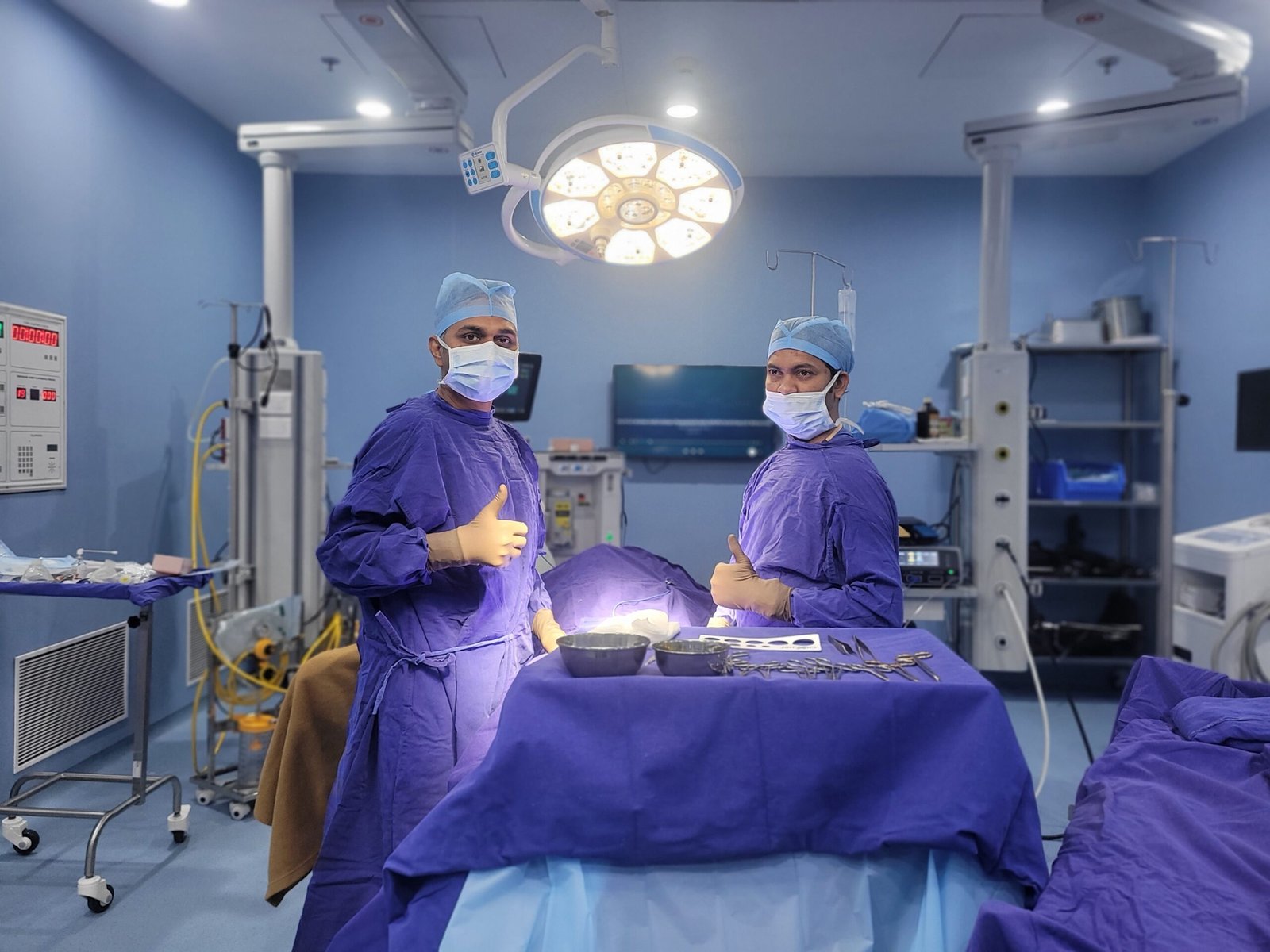
Why settle on surgeries with your prostate, which come with lifelong scarring and permanent implants, when both general anaesthesia and multiple days in hospital can be avoided? Why settle when your life can return to normal in under 48 hours?
iTind offers this and more. For patients with prostate muscles that have begun to overdevelop (BPH) this is often the best route.
The iTind, which means Temporary Implantable Nitinol Device, takes the prize for offering the leanest surgery to treat BPH.
Remodelling the muscles that surround the inner lobes of the prostate is the means of reducing the size of the tissue. This device uses nothing even close to a disruptive surgery. Since the device is used to reshape tissue for a permanent addition of widening, which can be achieved by removing this device after only 7 days, the surgery is also for a very short period of time. These 7 days involve the use of gentle, persistent pressure that the device exerts.
When this is done, and the device is removed after 7 days, the second part of the removal is simply done during an outpatient visit. What remains is a permanently wider channel, which the body will aid in a natural response to wide the channel. The use of the tissue will also aid in the response to widen the channel.
Dr. Vikas Singh, Senior Consultant Urologist at Kokilaben Dhirubhai Ambani Hospital, Nipania, Indore region, is one of the earliest adopters of iTind for suitable BPH patients in the Central India region. Acknowledged for bringing advanced prostate treatment solutions in the region, BPH treatment modalities, medications, UroLift, iTind, TURP, and laser enucleation, along with the UroLift and iTind, are provided and advocated for with no bias by Dr. Vikas Singh. Dr. Vikas Singh prioritizes what will provide the best outcome for the patient.
The iTind implant, or Internal Temporary Nitinol Device, is a non-permanent way of utilizing space in the body’s anatomy to relieve a blockage. UroLift implants and TURP procedures are indelibly permanent. The iTind Implant is located in the body for a mediated amount of time, specifically 5-7 days. After the time period is complete, the iTind implant is removed and there are no remnants left in the body.
The iTind Implant is made of the biocompatible and flexible material called Nitinol. Nitinol has been used in the medical field for many decades for surgical materials such as coronary stents. The iTind implant has three strands and a removal thread attachment. The iTind implant is able to fit through the channel of a cystoscope when in its compressed form. Once the implant is placed in the prostatic portion of the urethra, it expands heterogeneously and self-assembles.
During the 5-7 days, the iTind implant exerts constant compression on the prostatic tissue to slide it away from the urethra. During the iTind implant placement, the prostate tissue is not altered, removed, or ablated. The iTind implant allows for a natural remodeling, similar to braces.
The patient returns after one week. The retrieval suture is used to remove the device. The process is quick and does not require any anaesthesia. At this time, the prostate tissue has been reshaped into a wider opening. This reshaped welcome tissue is permanent and will remain after the device has been removed.
The science behind iTind is based on a well-understood biological principle: sustained mechanical pressure on living tissue causes it to remodel. Orthodontists have used this for decades to move teeth through solid bone. Surgeons use tissue expanders to gradually stretch skin for reconstructive procedures. The human body responds to controlled, sustained pressure by remodelling the tissue at the pressure point.
The iTind device consists of three expandable strands that consistently apply outward pressure to three different areas on the inner surface of the prostatic lobes. This results in tissue grooves in the prostatic lobes. Each of the pressure points undergoes controlled ischaemic change – a local reduction in blood flow that leads to tissue softening and remodelling.
The device is designed to remain in the lobe for a period of 5 to 7 days. The ischaemic effect is wider changes to the prostatic urethra. When the device is removed, the remodelled channels remain with no lobe laceration or necrotic tissue death.
When people first hear about iTind, it is completely understandable for them to ask, “Since there are no cuts, burns, or implants, how can it be permanent?”
The answer has to do with the difference between destroying tissue and remodeling it. TURP and laser procedures remove the tissue blocking the urethra, and the channel remains open. However, this method causes uncontrolled bleeding, TURP syndrome, and can cause complete thermal damage to the ejaculatory mechanism.
Unlike TURP and laser procedures, iTind does tissue remodeling. It uses the mechanical force to change the tissue. With iTind, the tissue can begin to heal and remain in the new configuration. Tissue does not spring back to its previous position, so the removal of the iTind does not harm this remodeling. The new cellular tissue remodeling stabilizes to the new and wider configuration, and will not go back to the previous narrow position. It remains this way for good.
Bending a fresh green twig illustrates bio-consolidation well. If you change the twig’s position and keep it there long enough, it won’t change back. The prostate tissue will transform similarly when the iTind device keeps it in a wider position for 5 to 7 days, and will remain in that wider position after the device is removed.
It is not a surgery because there is no implant, no tissue is excised, and no heat is used. The iTind’s impact is to widen and clarify the channel of the urethra, and keep that change. The iTind’s impact is steadily clear and elegant.
iTind treatment is tailored for a specific group of patients. Recognizing the advantages of iTind and identifying candidates for other procedures is a crucial part of Dr. Vikas Singh’s method for managing BPH.
iTind is designed for sufferers of mild to moderate LUTS of BPH with the following symptom ranges: IPSS score of 8 – 19; average urinary flow is reduced; and the size of the prostate ranges of 25 grams to 75 grams. iTind is highly suitable for men who have moderate BPH and are severely impacted in terms of overall quality of life; however, no major post-void residuals or serious obstruction or urinary retention occurs for them.
For men who wish not to use medications that are vastly ineffective for them or wish to forgo the requirement of taking medication each and every day, iTind offers a method that is considerably less invasive in comparison to procedures such as TURP or laser enucleation.
With regards to some men, the notion of having some form of an implant left in the body that is not only small in size, but is well tolerated (such as a UroLift) causes them a significant amount of psychological stress. The perception of having a foreign object in the body is absolutely unacceptable, even when the object is considered a safe device.
For patients like these, iTind is ideal. iTind is inserted and does its job for a period of 5-7 days before being removed. After a successful result, nothing of the implant resides in the body, and nothing in the prostate is removed. The tissue is simply reconfigured. Of procedures that are implant-free, the iTind procedure is a shortage for a BPH procedure.
Patients After Minimal Aesthetic Investment
iTind is used with the intent that minimal anaesthesia is required for the procedure, and there is no account for sedation. Placement and removal only require a local anaesthetic that is in the urethra. iTind is a step away from cystoscopy and catheterization.
Placement of anaesthetic during the procedure is an option for those who are unable to receive either general anaesthesia or spinal anaesthesia for a number of reasons pertaining to medical conditions. General anaesthesia is a means of avoiding a significant anaesthetic experience. Recovery from anaesthesia is not an anxiety for the patient. The procedure itself is completed in a short amount of time, and the patient can leave the clinic.
iTind has the quickest recovery of any BPH procedure. Since no tissue is cut, burned, or removed, the body has a short recovery time for the small pressure points created from the device strands. After the device is removed after 5 to 7 days, most can return to full normal activity in 24 to 48 hours, including physically demanding work and exercise. Sexual activity can typically be resumed in 1 to 2 weeks.
And most importantly, iTind maintains full sexual and ejaculatory function. Additionally, clinical trials of iTind showed ejaculatory dysfunction rates near zero. This is due to no thermal injury being sustained to the ejaculatory ducts, the bladder neck, or the urethral sphincter. For sexually active men who prioritize the maintenance of sexual function while receiving effective BPH treatment, iTind and UroLift are the most relevant options – and iTind is the only relevant option when considering the absence of a permanent implant.
Weak urinary stream is perhaps the most classic symptom that BPH patients experience. The urinary stream that used to be full and strong changes to be very weak and hardly a stream. There is a lot of wasted time waiting for the stream to start and time is spent standing and waiting like never before.
When iTind is placed, the inner lobes, shaped away from the urethral channel, immediately start to relieve the urethral obstruction. Many patients who received the iTind device saw positive changes within a few days post-device removal, with better urinary flow. There is no burden of a urinary flow with a device like iTind, and that changes the quality of life of the patients greatly. The positive changes are most noticeable in the weeks and days post-device removal.
iTind users can also expect to relieve the symptoms of frequent daytime urination and nocturia. Increased urinary frequency is due to the bladder being unable to fully empty. The uninterrupted outflow obstruction makes it very difficult to fully ease the urge to urinate. Nocturia and constipation can be very disruptive and can skew the quality of life for the worse. Nocturia creates and sustains a cycle of sleep deprivation that also affects energy/mood/ and concentration.
Trial results indicate an objective symptom improvement with the placement and removal of the iTind. Patient adjustments to sleep schedules and routines suggest an improvement in nocturia. Three important metrics to urinary obstruction and iTind placement are urinary frequency, nocturia, and severity of the IPSS. Results suggest that symptom severity will be reduced days after the iTind is removed.
Difficulty initiating and completing the void due to obstruction (hesitancy and terminal dribbling, respectively) is caused by the nearly vanishing urethral void, and obstruction has to be forcibly overcome by the contraction of the bladder. terminal dribbling results because urine is the last part of the void to overcome the obstruction.
After the placement of the iTind, and with the use of the prostatic gainfully enlarged, the cessation and improvement of hesitancy and dribbling improve greatly. The bladder contraction to void the urine becomes much clearer and fuller.
The sensation that urine remains in the bladder is perceived and is generally the result of a large residual. Many men with BPH become familiar with a large residual and the sensation of urinary void that becomes a chronic bladder distention that ultimately leads to a void and ruptured urinary obstruction injury remains.
Reducing outflow resistance with iTind means the bladder has to work less to empty completely with each void, which lowers post-void residual volumes and gives the patient the comfort of feeling truly empty afterward. After iTind treatment, clinical studies show significant decreases in PVR, which correlates with greater patient comfort and a reduced risk of infection.
To assess candidate eligibility for the iTind procedure, as well as the anatomy of the prostate, Dr Vikas conducts the following for pre‐assessment.
Both iTind device placement and device removal visits are quick, minimally invasive, and typically performed using local anesthesia.
Step 1 - Position and Anaesthesia
The patient is positioned either in a reclined or lithotomy position. A local anesthetic agent, which is a form of lignocaine gel, is placed inside the urethra and allowed to set for 5 – 10 minutes. With regards to sedatives, the patient has the option to receive an IV sedative for relaxation.
Step 2 - Cystoscopy and Assessment
A standard cystoscope is used to gain entry to the urethra. Dr. Vikas Singh then examines the prostatic urethra and the prostatic lobes, which is then followed by the prostate anatomy and selection of the iTind device, which is available in 3 different sizes.
Step 3 - Device Loading and Introduction
The iTind device is initially in a compressed format, which is aided by the use of an introducer sheath. The introducer sheath carries the compressed iTind device through the cystoscope and into the prostatic urethra. The device is then placed so the strands will interact with the prostatic lobes at the specific anatomic landmarks of the lobes, namely the junctions between the lateral and median lobes, as well as the bladder neck.
Step 4 - Device Deployment
The introducer sheath is retracted, allowing the iTind device to self-expand into the prostatic urethra. As the nitinol frame self-expands, the frame’s three strands open outward to contact the inner surface of the prostatic lobes. Dr. Vikas Singh validates placement within the prostatic urethra by cystoscopy. As the strands anchor to the prostatic surface, the strands should be in close proximity to the bladder neck and the verumontanum (an important landmark of the prostatic urethra located just distal to the openings of the prostatic urethra to the ejaculatory ducts). The retrieval suture remains in the prostatic urethra and is oriented to the external urethral orifice for subsequent retrieval.
Step 5 - Post-Placement Assessment
A final cystoscopy is performed to ensure the device is in the desired position. After removal of the cystoscope, a urinary catheter is placed for 24-48 hours. The position of the iTind device causes temporary swelling of the urethra, making urination uncomfortable. At a brief follow-up visit after 24 to 48 hours, the urinary catheter is removed.
DAYS 2-7 - Device in Situ
The prostatic urethra undergoes continual expansion by the iTind device, pushing the prostatic urethral lobes. During this period, urinary urgency and frequency are common. Urinary discomfort is a common sensation and is similar to the sensation of catheterization. To limit the risk of infection, a course of oral antibiotics is prescribed. To limit discomfort, oral alpha blockers (i.e., tamsulosin) are prescribed for 1 to 2 weeks. Despite the discomfort and limitations, most patients are able to maintain their regular daily activities.
Step 6 - Retrieval
Device retrieval mostly doesn’t require any anesthesia. Instead, a local anesthesia gel is put in the urethra. Dr. Vikas Singh uses a specialized instrument called grasping forceps, through a cystoscope, to grasp the retrieval suture and then applies gentle traction to dilate the urethra. The nitinol frame, as it passes through the urethral tube, collapses into the latch. The total time the urethras go through this is about 5-10 minutes.
Step 7 - Post-Removal Assessment
A cystoscopy is done as a part of the assessment process. Once the device is removed, the pressure within the urethra actually grows to such an extent that it shears the periodic tissue within the urethra.
The iTind device is meant to be retained in the prostatic urethra for a maximum time of 5 to 7 days. Clinical evidence suggests that the time spent in situ is the maximum time required for the prostatic lobes to be permanently reshaped through pressure-induced remodelling of the tissue. A time span of 5 to 7 days also minimizes patient discomfort and during this time, pressure-related complications are avoided even if the device is removed after 7 days.
To avoid a prolonged post-operative check-up to ensure the device is not inside for more than 7 days, placements of the iTind device require a follow-up for 5 to 7 days post-procedure. Along those lines, most patients find this time period is a lot more bearable than a urinary catheter, with the understanding that the surgical device, despite the hope, won’t be placed indefinitely.
Device removal is a short outpatient procedure that is performed in 5 to 15 minutes, with a case being extremely well treated with local anesthesia gel, and cases being performed without sedation, spinal or general anesthesia. A retrieval suture is used to remove any devices that are difficult to remove.
Takes approximately 30 to 60 minutes after the removal to rest in the clinic. On exit from the procedure, patients are requested to void to evaluate void without any retention or/or discomfort. A brief post-void bladder retention ultrasound may be performed prior to discharge to confirm adequate voiding.
All patients are discharged after one day without the device. Family or friends may accompany the patient, or the patient may drive. Instructions and any prescribed medications are given (antibiotics, anti-inflammatories, alpha-blockers). A follow-up appointment is set in 4–6 weeks for a uroflowmetry test and to complete the IPSS to formally confirm the improvement.
Among all innovative BPH procedures, only iTind is completely reversible. After 5 to 7 days, the device is completely removed. For those concerned about the permanent placement of a medical implant, or those who want to keep all future options, including a “natural” prostate, this is a strong benefit of the iTind device.
In the future, if a more aggressive approach to BPH is required, iTind does not preclude the use of the remaining options. For example, HoLEP, TURP, ThuFLEP, or repeat iTind procedures can all be performed without the risk of any complications, as no tissue remains implanted in the body.
iTind does not use any thermal or electrical energies (i.e., no electrical sources or radio frequency). Instrumentation, surgical or otherwise, is not used to cut, burn, or resect (remove) the tissue. The interface tissue of the prostate is remodeled with a sustained device pressure.
This explains how hard it is to match with other prostate surgeries in terms of side effect profile. With iTind, there is no surgical incision, so no bleeding. iTind causes no thermal injury to surrounding tissue, so there is no injury caused to the patency of the ejaculatory ducts or the proximal urethra. iTind employs a tissue injury protection margin that is unsurpassable in other surgical BPH procedures.
The most important benefit of iTind, in addition to the lack of a permanent foreign body, is the persistence of sexual and ejaculatory function. iTind clinical trials report ejaculatory dysfunctions almost at the level of a null hypothesis. This is to be expected because the iTind device puts pressure on the prostatic lobes, and then, in response to that pressure, the tissue develops remodeling grooves, without direct contact to the ejaculatory ducts or related parts of the ejaculatory apparatus. The device is placed subtotally via the prostatic capsule to ensure that the ejaculatory ducts and bladder neck are left untouched.
In terms of prostate enlargement, there also seems to be no positive change in erectile function, as the proximity of the iTind neurovascular bundles within the prostatic capsule means the prostate enlargement is unchanged. For men who are especially concerned with the quality of sexual health, the ejaculatory and erectile functions, iTind is the most advanced BPH surgical procedure.
Both the placement and removal of the device can be done in an outpatient setting using only local anaesthesia. This eliminates the risks of and the time spent recovering from general aesthetics, which is especially pertinent for older people and people who have pre-existing cardiovascular and/or respiratory problems, and those with an abundance of other conditions.
A further advantage of local anaesthesia is that the patient is fully conscious and free of anaesthetic side effects and/or the need to monitor and recover from anaesthesia. This makes leaving the office one to two hours after the procedure possible. iTind addresses the concerns most patients have with general anaesthesia.
In the case of iTind, the tissue is neither resected nor is the surgery associated with a significant wound. Accordingly, the recovery from the removal of the device is very quick and most patients can return to their normal routines, including driving and work that requires physical effort, within one to two days. Physical exercise and other activities that are more strenuous can be expected to be resumed within one week of the procedure.
Sexual intercourse is typically postponed for about 1 to 2 weeks after the device is removed to allow the minor pressure point areas to heal. This pales in comparison to the 4 to 6 weeks for after TURP or laser enucleation. For men who are active and busy with work and are unwilling/unable to take the time out of their normal lives for a prostate procedure, iTind’s recovery time of 24 to 48 hours is lauded as the best recovery time in comparison to the other surgical alternatives for BPH.
There is nothing significantly concerning about iTind, and studies show it has a complication rate that is lower than that of many BPH procedures. If a patient is informed of the various possible side effects associated with iTind, the patient can then decide whether or not to go ahead with the procedure. Dr. Vikas Singh discusses all side effects during the patient’s pre-procedure consultation.
Expected side effects of the procedure that are also very common include the implantation of the device and discomfort for a period of 5 to 7 days. Most patients experience mild to moderate urinary discomfort and a significant urge to go the washroom frequently.
Most urinary side effects are attributed to discomfort caused with the addition of a device in the urinary system. Many patients are prescribed tamsulosin, a type of medication that helps relax the urinary tract system.
More than 90% of patients in the clinical study experience irritative urinary symptoms. The symptoms are temporary and include a burning sensation and an increased urge to go to the washroom. These side effects can also occur with the addition of a catheter. Most of the study participants also experience burning and an urge to go to the washroom, and these symptoms are manageable with medications to relax the bladder. These symptoms are also temporary and resolve after a couple of weeks.
Temporary blood-tinged urine (Common - First Few Days After Placement and Removal)
Most people develop some blood in their urine after the placement and removal of the device. This occurs after other procedures as well. With sufficient hydration (2-3 liters of water a day) the symptoms subside. The presence of blood in urine is the body’s natural defense mechanism. Substantial blood loss post iTind is uncommon because no incision or burning of the tissue occurs.
Urinary Tract Infection (Uncommon - Around 3 to 7%)
Prolonged placement of the device (from 5 to 7 days) will be accompanied by the prescription of prophylactic antibiotics to minimize the risk of infections. This seemed to be the most common complication of any procedure that includes the installation of an indwelling urological device. If an infection occurs with the placement of the device, appropriate antibiotics will be prescribed.
Acute Urinary Retention (Uncommon - Around 5 to 10%)
The placement of the device has been proven to swell the urethra, and the side effect of the swollen urethra is the inability to urinate, which in some cases requires sustained use of a catheter for the first 48 hours. This is the reason a catheter is routinely left in for 24 hours and then removed at the follow-up appointment scheduled for the next day. The removal of the catheter is done with a very low retention rate after the device has been removed.
Ejaculatory Dysfunction (Very Rare - Approaching 0%)
Clinical studies concerning iTind revealed the rate of ejaculatory dysfunction to be near zero. Therefore, iTind is a fascinating procedure, as it doesn’t alter the mechanics of the ejaculatory system at all. This is one of the main advantages of safety that iTind has over TURP and laser enucleation.
Device Malposition or Early Expulsion (Rare - Less than 2 to 3%)
Due to its implanted temporary nature, the device may potentially shift, or the patient may experience partial expulsion within the prescribed 5 to 7 day period of implantation. Should this happen, the patient will undergo an early device removal without having sustained any injury. A follow-up treatment may be scheduled after a predetermined period of time.
Need for Re-Treatment (Minority of Patients at 3 to 5 Years)
Patients experience long-lasting symptom improvement after iTind. Long-term effect of the device at 3 to 5 years is that a subset of patients may experience growing BPH and may necessitate another BPH intervention, particularly if the patient presents with severe lower urinary tract symptoms and persistent relief after acute (TURP or HoLEP) or minimally invasive (UroLift) surgical interventions, as the tissue is not violated during the iTind procedure.
Not Suitable for All Patients
iTind is contraindicated for large prostate patients (generally > 75-80 gm) with bulky obstructive median lobes, and severe urethral stricture in acute urinary retention needing an immediate definitive treatment. Dr. Vikas Singh will provide an honest evaluation of your symptoms and recommend an appropriate treatment for your condition and the level of your BPH, as opposed to the simplest and least invasive form of treatment.
Posted on GoogleTrustindex verifies that the original source of the review is Google. Dr vikas singh is best urologist in IndorePosted on GoogleTrustindex verifies that the original source of the review is Google. Nice treatmentPosted on GoogleTrustindex verifies that the original source of the review is Google. My treatment given by Dr vikas sir he is best doctorPosted on GoogleTrustindex verifies that the original source of the review is Google. Best doctorPosted on GoogleTrustindex verifies that the original source of the review is Google. Hm log shivpuri se dr vikas sir ko dikhane aaye, sir se milkar bahut acha lga, nature or treatment bahut sahi hePosted on GoogleTrustindex verifies that the original source of the review is Google. Nice doctorPosted on GoogleTrustindex verifies that the original source of the review is Google. Very experienced and caring doctor. Excellent treatment and patient-friendly approach. Highly recommended.”Posted on GoogleTrustindex verifies that the original source of the review is Google. On dt27.06.2026 dr.vikas singh performed my prostatomegaly surgery by Urolift method . I am now fealing very well.Within two days l got discharged from Kokilaban Dhirubhai Ambani hospital Indore (MP).I am very thankfull to this very new method Urolift,Dr.Vikas singh sir and BCM Kokilaben Dhirubhai Ambani hospital,Nipania Indore. ByAdarsh kumar pauranik.Posted on GoogleTrustindex verifies that the original source of the review is Google. Good experience for testis treatment for my son
The iTind device is temporary and is removed after 5 to 7 days. However, the reshaping of the tissue is permanent. Prostate lobes are reshaped and will be maintained after the device is removed. In most cases, after 3 – 5 years, the clinical data support durable improvements in IPSS and urinary flow. It is possible that for patients with larger prostate sizes and more advanced BPH, a retreatment will be needed, but since the iTind device is minimally invasive, all treatments remain possible.
iTind and UroLift are both minimally invasive treatments for BPH and neither procedure disrupts ejaculation. The major differences between UroLift and iTind are that UroLift surgically implants a substance in the body for a permanent period of time, whereas iTind is a time device for 5 to 7 days and, after the time period is complete, is surgically removed with no product left. UroLift’s procedure gives same-day results, whereas results from iTind will be seen after a 5 to 7-day period and will continue post-device removal. iTind remolds the prostate using pressure for a new shape, whereas UroLift holds the prostate open with implants. Both procedures will provide great results; however, the best-suited choice will depend primarily on the patient’s individual preferences, but will also depend on the patient’s anatomy and prostate size.
No. Both placement and removal of the iTind are done as outpatient procedures under local anesthetics. Therefore, overnight hospital stays are not necessary. You will visit the clinic to have the device placed, return home, manage with the device for 5 to 7 days, visit the clinic for the removal, and return home after the removal. All of this is done without an overnight hospital stay.
Most patients have indicated that the experience caused by the iTind device is about the same as the use of a urinary catheter. However, it is something that is easily tolerated. During the initial testing, the majority of the patients indicated that the outcome was worth the discomfort. Medication is provided to manage the discomfort and includes the use of alpha blockers and mild analgesics. Also, the use of an antibiotic is implemented to prevent infection. Knowing the device removal is done on day 5 to day 7 helps with the tolerance of the discomfort.
During the first 5 to 7 days the device is placed, many of our patients are able to perform light office desk work. Most patients find that the discomfort from the device highly diminishes after the first couple of days, allowing them to work. However, laborious and physical tasks like prolonged sitting, driving, and other physically demanding activities should be avoided during those 5 to 7 days. Dr. Vikas Singh will provide you instructions specific to your work and lifestyle.
If the iTind device becomes too uncomfortable, it can be removed at any time before the 5 to 7-day period. Most patients find that it is easy to keep the device in for the complete 5 to 7 day period, as early removals are quite rare. Dr. Vikas Singh informs each and every patient that they have the ability to change the removal appointment if necessary.
Having a more significant median lobe would make iTind less effective due to its main purpose being the treatment of lateral lobe obstructions. If there is a significant median lobe, Dr. Vikas Singh will most probably consider the UroLift device (as it has a technique to implant for median lobes), TURP, or laser enucleation to be more appropriate alternatives. He will determine this during a pre-procedure assessment.
Prostate stents are older models that live inside the prostatic urethra. They were designed to keep the urethra open; however, they caused multiple long-term side effects, most notably, encrustation, migration, and constant pain. Therefore, there is little to no indication for their use in the more up-to-date guidelines. iTind is entirely different, as it is a temporary device (up to 5 to 7 days), and assists in remodeling the repair of the prostate tissue as opposed to a direct mechanical (staple) effect. Since iTind is a removable device, it possesses none of the long-term side effects of permanent prostatic stents.
Yes. One of the significant benefits of iTind insertion is that it is a bloodless procedure as it does not involve cutting, burning, or the removal of tissue. The majority of blood thinner medications, as well as antiplatelet medications (like aspirin, clopidogrel, rivaroxaban, apixaban, and warfarin) can be kept the same while having an iTind procedure. Dr. Vikas Singh will examine your medications and give information on managing your medications in the safest way through and around the iTind procedure.