Laparoscopic and Robotic Surgery

Laparoscopic and Robotic Surgery

Laparoscopic and Robotic Surgery in Indore

If a doctor tells you that you would need surgery – kidney tumor, prostate cancer, urinary blockage, or another urological issue – your first few questions would probably be, “Will I be out of work long?” “How big of a cut do I have to get?” “Will I need to be in the hospital overnight?” and “What is the full recovery time?” The answers to these questions are highly variable.

Laparoscopic and robotic surgeries have made the need to ask these questions virtually obsolete. Traditional surgeries of the 20th century required large cuts. Modern robotic and laparoscopic surgery techniques are conducted through cuts that are only a centimeter in length. This means that patients heal much faster after the surgery is less extensive. Robotic surgeries are able to provide the same if not better surgical or cancer control as traditional open surgery would provide.

Dr. Vikas Singh, Senior Consultant Urologist at Kokilaben Dhirubhai Ambani Hospital, Nipania, Indore, is among the most skilled surgeons specializing in minimally invasive urology in Central India. Having expertise in over 15 years of performing thousands of laparoscopic and robotic urological surgeries at PGI, Chandigarh, Max Super-Speciality Hospital, New Delhi, and SMS Medical College, Jaipur, advanced robotic surgeries is at the fingertips of the people of Indore, and the entire Madhya Pradesh region, as they will no longer need to travel to the big metro cities.
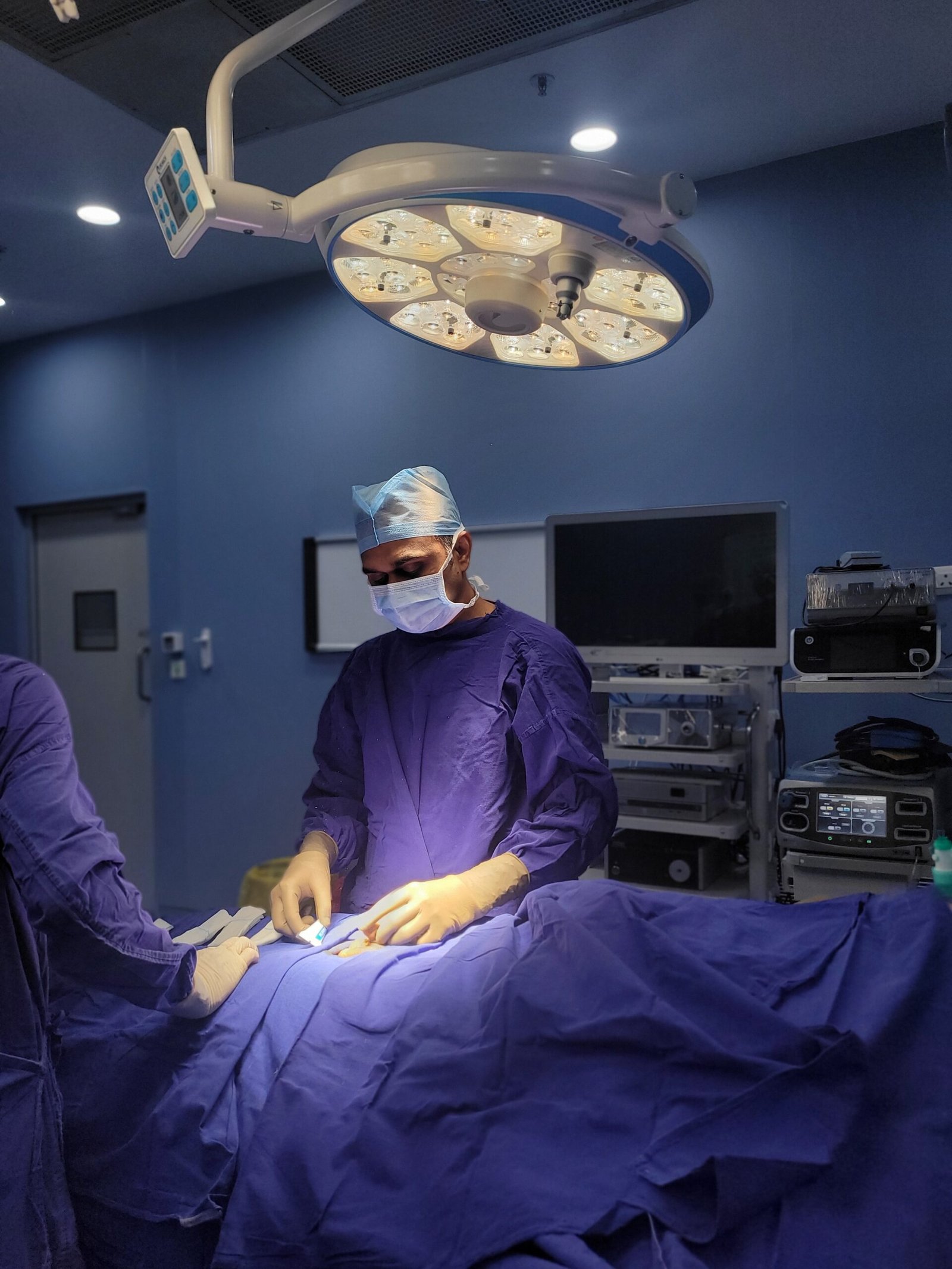
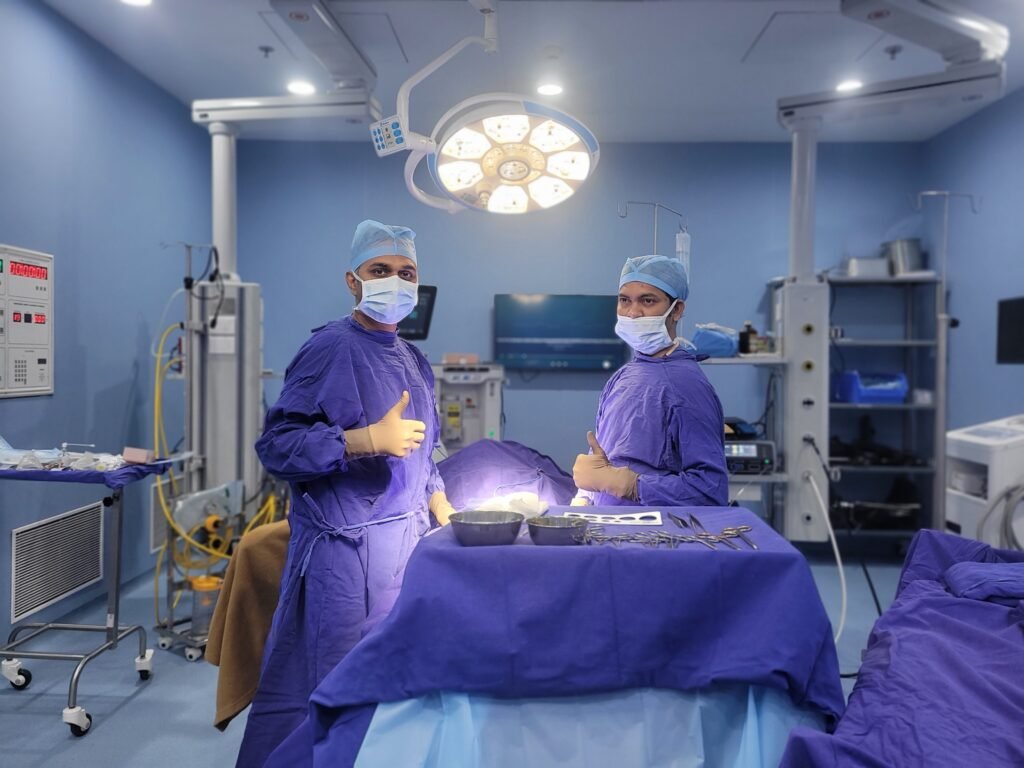
What is Laparoscopic and Robotic Surgery?

Traditional open surgery requires a single large incision (10-25cm) to access internal organs, which means more tissue trauma, longer recovery, and extended hospital stays.

Laparoscopic surgery changes this by using 3-5 small incisions (5-12mm) instead of one large cut. A high-definition camera and surgical instruments are inserted through these small ports, giving the surgeon a clear, real-time view and precise control, while the abdomen is gently inflated with CO2 to create working space.

Robotic surgery takes this further. Using systems like the da Vinci, the surgeon operates from a console, controlling robotic arms that offer greater precision, steadier movement, and better reach than traditional laparoscopic tools. It combines the surgical control of open surgery with the benefits of a minimally invasive approach, less blood loss, less pain, shorter hospital stays, and faster recovery.

How Is Robotic Surgery Different from Laparoscopic Surgery?

It is important to understand the differences between robotic and laparoscopic surgery when discussing the details about a patient’s condition with Dr. Vikas Singh, as both techniques are minimally invasive and use a camera and small incisions.


Laparoscopic Surgery - Keyhole Method

The surgeon using the keyhole method controls the surgery from the operating table. The surgeon uses long, thin instruments and controls the surgery with his or her own hands. The surgery is viewed on a monitor, which may show a 2D or 3D image depending on the scope used.

As laparoscopic techniques have evolved over the past 30 years, surgical techniques have been simplified. Procedures such as donor nephrectomy, removal of a kidney, or pyeloplasty that once required large incisions of 15-25 cm can now be performed through 3-4 small incisions and still be oncologically and functionally sound. The recovery timeframe has decreased from 4-6 weeks to 1-3 weeks.

Kokilaben Hospital’s Dr. Vikas Singh has performed many laparoscopic surgery techniques on his patients. His specialties include, but are not limited to, laparoscopic nephrectomy (partial and radical), laparoscopic donor nephrectomy, and pyeloplasty, as well as, laparoscopic vesicovaginal repair.

Robotic Surgery - Precision Assisted Technology

Robotic surgery builds on the advantages of laparoscopic techniques with a few key upgrades:

  • 3D high-definition vision: Better depth perception than standard 2D cameras, helping surgeons judge tissue planes more accurately
  • Wristed instrument movement: Unlike limited laparoscopic tools, robotic instruments rotate a full 360 degrees, ideal for precise work deep in the pelvis
  • Tremor elimination: Any natural hand shake is filtered out, ensuring steady, controlled movement
  • 10-15x magnification: Makes it easier to clearly identify nerves, blood vessels, and other delicate structures

For deep pelvic procedures like prostate surgery, this precision translates to better cancer control and improved preservation of sexual and urinary function, making robotic surgery the gold standard for many urological treatments today.

Open Surgery Vs. Laparoscopic Vs. Robotic Surgery

Advantages and disadvantages of the three surgical techniques in the same urological procedure:

Factor

Open Surgery

Laparoscopic Surgery

Robotic Surgery

Incision Size

10–25 cm (large single cut)

3–5 ports of 5–12 mm each

3–5 ports of 5–12 mm each

Blood Loss

Higher – larger dissection

Significantly less

Least – finest dissection

Post-op Pain

Significant – larger wound

Mild to moderate

Mild – minimal tissue trauma

Hospital Stay

5–10 days typically

2–4 days typically

1–3 days typically

Recovery Time

4–8 weeks

2–4 weeks

1–3 weeks

Precision

Good with direct vision

Very good with camera view

Excellent – 10–15x magnification, 3D, wristed instruments

Nerve Sparing

Possible but limited by view

Better visualisation

Best – superior nerve identification

Infection Risk

Higher – larger wound

Low

Very low

Cosmetic Result

Large visible scar

Tiny port scars

Tiny port scars

Best For

Very large tumours; emergency surgery; selected complex cases

Most standard urological procedures

Complex pelvic surgery; nerve-sparing; kidney-sparing tumour surgery

While modern methods are important, the recommended surgical approach must be based on the patient’s unique condition, anatomy, and the judgment of the surgeon. There are cases where open surgeries can be the best applicable method. Dr. Vikas Singh advocates for his patients adopting a similar approach.

Urological Conditions Treated with Laparoscopic and Robotic Surgery in Indore

Dr. Vikas Singh uses the latest technology for laparoscopic and robotic surgery for all urological cases at Kokilaben Dhirubhai Ambani Hospital, Indore. The following are briefly described common surgical cases:

Partial Nephrectomy (Kidney Tumour Removal)

A partial nephrectomy removes just the tumor while preserving as much healthy kidney tissue as possible. It’s preferred over removing the whole kidney for tumors under 7cm that don’t involve major blood vessels, especially important for patients with diabetes, hypertension, or only one functioning kidney.

Robotic and laparoscopic techniques have made this approach far more precise. The magnified view helps Dr. Vikas Singh clearly separate tumor from healthy tissue, achieve clean surgical margins, and suture the kidney back together, all through small incisions. This also helps minimize the time blood flow is interrupted to the kidney, which is typically shorter with robotic surgery than with open procedures.

Recovery is quicker too, most patients go home in 2-3 days (versus 5-7 with open surgery) and return to normal activities within 2-4 weeks, with long-term cancer outcomes that match traditional approaches.

Circumcision , Ureter

What Is Radical Prostatectomy?

Radical prostatectomy removes the entire prostate, along with nearby tissue and the seminal vesicles, offering the most definitive treatment for localized prostate cancer. Because the prostate sits deep in the pelvis, close to the urinary sphincter, nerve bundles controlling erectile function, and the bladder neck, precision here matters enormously.

Traditional open surgery makes it hard to access this area with the care needed to preserve these structures. Robotic and laparoscopic techniques solve this with 3D magnified views and wrist-like instrument flexibility, allowing Dr. Vikas Singh to operate deep in the pelvis with much greater precision, helping protect the nerves responsible for urinary control and erectile function.

At Kokilaben Hospital, robotic or laparoscopic surgery typically means a 2-3 day hospital stay, catheter removal within a week, and return to daily activities in 3-4 weeks, compared to 5-7 days in hospital and 6-8 weeks recovery with open surgery.

VVF Repair (Vesicovaginal Fistula Repair)

VVF is an abnormal passage between the bladder and vagina that causes constant urine leakage, leading to significant physical discomfort and social isolation. In India, it’s commonly caused by prolonged obstructed labor, difficult deliveries, C-sections, or gynecological surgeries and radiation.

Dr. Vikas Singh uses laparoscopic techniques with small keyhole incisions to locate and precisely close the fistula with fine, watertight sutures. Compared to open surgery, this approach offers a lower risk of needing a hysterectomy, less blood loss, and a shorter hospital stay (3-5 days versus 7-10). It also allows for a quicker return to normal life, with better long-term outcomes and lower recurrence in experienced hands.

Pyeloplasty (Junctional Obstruction Surgery)

Pyeloplasty treats UPJ obstruction, a blockage where the kidney connects to the ureter, which can cause urine buildup, kidney swelling, and infections. This can be present from birth or develop later in life, often causing flank pain, recurrent UTIs, or blood in urine.

Laparoscopic pyeloplasty is now the preferred treatment, removing the narrowed segment and reconstructing a wider connection for proper drainage. A temporary stent supports healing and is removed after 4-6 weeks. At Kokilaben Hospital, this approach offers a 2-3 day hospital stay, recovery within 2-3 weeks, and success rates of 90-95%, matching open surgery with far less discomfort.

Laparoscopic Kidney Donor Surgery (Transplant)

Laparoscopic donor nephrectomy prioritizes the donor’s comfort and recovery while safely removing a kidney for transplant. Dr. Vikas Singh makes 3-4 small incisions to carefully remove the kidney while preserving its blood vessels and ureter, then extracts it through a small 4-5cm extension of one incision.

Compared to open surgery, this approach means less pain, smaller scars, and a shorter hospital stay (2-3 days versus 5-7), with donors returning to work in 2-3 weeks instead of 4-6, all while maintaining excellent outcomes for the transplanted kidney. This makes the donation process easier and less disruptive, encouraging more people to give.

Pros of Laparoscopic & Robotic Surgery vs. Open Surgery

The importance of using minimally invasive surgical techniques compared to traditional open surgeries that require long skin incisions goes beyond one simple reason. The benefits are large both in number and in their clinical importance.

Reduced Blood Loss & Smaller Incisions

When compared to traditional open surgical techniques, minimally invasive approaches lead to smaller incisions, ranging from 1-3 surgical portal incisions of diameters 5mm to 12mm, compared to the large 10-25cm incisions associated with traditional open surgeries. This is because incision size is proportional to the size of the complete incision needed to access the surgical site. Minimally invasive approaches, when compared to traditional open surgeries, are associated with less perioperative blood loss.

Easier Recovery & Shorter Post-operative Stay

Laparoscopic surgery puts less strain on the body compared to open surgery, leading to faster healing. Hospital stays are typically just 1-3 days, compared to 5-10 days for open procedures, and patients often resume light activity within 2 weeks and normal routines within 4, far quicker than the 4-8 weeks needed after open surgery.

Less Pain & Lower Infection Risk

With smaller incisions, post-surgical pain is usually mild to moderate and manageable within a few days, often less than patients expect. The risk of wound infection is also significantly lower, since there’s less exposed tissue. Minor infections at the incision site can occur but are rare and easy to treat.

High Precision & Better Surgical Outcomes

Modern laparoscopic and robotic systems offer magnified, high-definition views that help surgeons clearly identify nerves, blood vessels, and tissue planes, improving accuracy and outcomes, especially for cancer surgery and nerve preservation. Robotic systems add further precision with 3D imaging, 10-15x magnification, and tremor-free movement, making them ideal for complex procedures, like delicately separating a nerve from a tumor or suturing a tiny blood vessel.

What to Expect - Before, During & After Laparoscopic or Robotic Surgery

Knowing what lies ahead can ease anxiety about the process. Here’s what happens before your surgery with Dr. Vikas Singh at Kokilaben Hospital, Indore:

  • Blood work: Checks kidney and liver function, blood clotting, blood type, and other relevant markers depending on your condition
  • Imaging: CT, MRI, or ultrasound scans as needed, such as a prostate MRI for cancer cases or a CT angiogram for kidney tumors
  • Cardiac evaluation: An ECG and heart ultrasound to ensure it’s safe to proceed with anesthesia and surgery
  • Anesthesia consultation: A review of your medical history, medications, and allergies, along with guidance on which medications to pause before surgery
  • Bowel preparation: Sometimes needed the night before, especially for surgeries near the colon
  • Fasting: No solid food for 6 hours and no liquids for 2 hours before surgery
  • Consent: A detailed discussion with Dr. Vikas Singh covering the procedure, benefits, risks, and alternatives, with all your questions answered beforehand

What Happens During the Surgery

You arrive days before the surgery is scheduled to begin. The operating room staff prepares for IV placement and hemodynamic monitoring before the start of general anesthesia.

Once under anaesthesia and positioned on the operating table, the surgical team prepares the keyhole incisions. The abdomen is gently inflated using CO2 through a small needle. The incisions for the camera and surgical instruments are also prepared.

In robotic surgery, arm appendages of the robot are positioned and linked to the instrument ports. Robotic surgery is done from a console. A surgical assistant standing next to the table makes the instrument exchanges and tablets, and supports further the console.

This procedure is done intra-operatively with high definition imaging for an enlarged view of the field. Robotic systems and instruments are used to remove a tumor, control bleeding, and for other complicated tasks, The procedure lasts 1 to 4 hours

To finish the procedure, the instruments are taken out and the camera ports are taken out. The abdomen is no longer inflated, and the incision ports are closed. The ports are covered with a sterile dressing. A urinary catheter covered with sterile dressing is also done. The catheter remains for 1 to 2 weeks.

Recovery After Surgery: Advice and Care

Most people wake up from general anesthesia in a recovery room and spend 1 to 2 hours getting monitored before being moved to a ward. Nausea from anesthesia is very common and passes within hours of waking. After 24 to 48 hours of surgery, gas from the procedure may make your shoulder and/or upper abdomen hurt, but this too passes and is normal.

Below is what you can expect from your recovery in the days and weeks after having robotic or laparoscopic surgery.

Days 1 to 2

Your recovery begins in the hospital. You will receive IV fluids and meds while your progress is monitored. You will be asked to walk and move around to promote recovery, as well as to reduce the risk of blood clots. Your recovery will be helped further by a clear fluid diet that progresses to light solids. Meds will be given to you to manage your pain and most catheters will be taken out in under 24 hours; however, this is not the case with prostate surgery, where the catheter will remain for an entire week.

Days 3 to 7

You will no longer be monitored, but recovery will still be an active process. You will be responsible for your own recovery and will be instructed on how to proceed. Recovery wounds will be small, and will need to be protected in a clean and dry manner. You cannot drive for 5 to 7 days. For 2 to 3 weeks, do not lift anything that weighs more than 5 kg. For 2 to 3 weeks, you will need a balanced light diet. For recovery passes, you will receive medications including antibiotics. You will also receive pain medications and blood thinners. You must take each of these as directed.

Weeks 2 to 4

Gradual Recovery: Most patients return to light desk work in about 1 to 2 weeks. Driving can start in the same timeframe. Moderate exercise including walking and light stretching may begin at 2 weeks and swimming, gym workouts, and other strenuous activities can begin at 3-4 weeks (or as recommended by Dr. Vikas Singh based on the specific procedure.)

Post-operative care tips:

  • Port site wounds should be kept clean and dry. Gently dry the wounds after bathing and do not soak the wounds in water for at least 2 weeks.
  • Wear clothing loose and comfortable and that won’t cause pressure on the port site.
  • Proper hydration is vital and supports the healing process and optimal kidney function.
  • As Soon as possible report to Dr. Vikas Singh’s team any fever above 38 degrees Celsius, increasing pain, redness or swelling at port sites, and new or worsening difficulties with urination or increased abdominal distension.
  • It is necessary to attend all the recommended follow up appointments and testing.
  • Prostate surgery patients should begin to work on their pelvic floor by doing Kegel exercises 1 to 2 weeks after their catheter is removed. This will aid in their recovery to urinary continence.

Dr. Vikas Singh is one of Central India’s top laparoscopic and robotic surgeons. Due to his performance of thousands of laparoscopic and robotic urological procedures such as nephrectomy, pyeloplasty, prostatectomy, VVF repair and donor nephrectomy, he has been able to perfect and hone his skills as one of the very best urological surgeons in the field. He has now brought his craft to Indore so those living there do not have to travel anywhere to receive highly skilled surgical practice. This depth of volume and experience is certainly rare in Central India.

YouTube Feed

Real Patient Experiences in Urology Care

Common Questions About Laparoscopic and Robotic Surgery in Indore

In the case of laparoscopic surgery, many medical professionals view it as equally safe, if not more so, than traditional open surgery. Traditional open surgery involves making more big cuts, leading to possible loss of blood, as well as the risk of infection, and the formation of blood clots. When performed by a surgeon as skilled as Dr. Vikas Singh, the outcomes in terms of keeping the cancer under control, as well as the symptoms of that cancer, such as loss of urinary continence after surgery, will be as good if not better than traditional open surgery.

There are very few patients who will present symptoms that rule them out of the robotic and laparoscopic surgery pathway. There are a few conditions that will affect a person’s eligibility. If a person has extremely high body mass, has undergone several large abdominal surgeries, has a cardiovascular condition, or has a large tumor that requires a high level of dissection, such a person may be ineligible for robotic surgery or laparoscopic surgery. Dr. Vikas Singh will review your case and determine the level of surgery that will be most appropriate for you.

Not in the case of laparoscopic or robotic surgery. There are two types of surgeries that may be involved – laparoscopic and robotic surgery. Either type of surgery will be performed under general anesthesia. Therefore, you should feel nothing at all. The anesthesia team will take care of everything and monitor your condition even after the anesthesia has worn off and the surgery is a thing of the past.

Vikas Singh says hospital stay post surgery varies depending on the specific procedure. 2-3 days is the typical hospital stay after nephrectomy, pyeloplasty, and donor nephrectomy. A 3 to 5 day hospital stay is typical post laparoscopic VVF repair. Laparoscopic radical prostectomy usually requires hospital stay of 2 to 4 days. A longer catheter stay at home is typical.

Participants that have port scars due to laparoscopic or robotic surgery will usually notice that the scars become less noticeable in as short a time scale as between 2-12 months. Many of these scars occur in the lower abdomen or around the abdominal cavity as they range from 5-12mm in size.

Flat, 2D cameras provide no perception of depth while 3D laparoscopic systems use special cameras to offer depth perception. This allows the surgeon to judge distances and tissue planes more accurately. High-definition, 3D robotic vision is the standard. At Kokilaben Hospital, Dr. Vikas Singh uses advanced laparoscopic systems with 3D and 4K imaging coupled with the robotic platform for selected procedures.

The need for a blood transfusion after laparoscopic or robotic surgery is much less likely than after open surgery. This is due to precision of laparoscopic or robotic surgery and the reduction of blood loss. There is a complication with every procedure and unexplained or unexpected issues with bleeding could necessitate a blood transfusion. Dr. Vikas Singh’s team ensures that cross-matched blood is readily available for every major surgery undertaken.

The carbon dioxide gas that is used to inflate the abdomen deflates and releases the gas at the end of the surgery at the time of closure of the laparoscopic ports. Any residual carbon dioxide in the abdomen is absorbed in a matter of a few hours and exhaled by the lungs in a day or two. This is the cause of the minor pain and discomfort in the shoulder or upper abdomen after surgery for a day or two and is due to the residual gas irritating the diaphragm. This is self limiting and is relieved with ambulation and movement.

Yes – laparoscopic pyeloplasty (Anderson-Hynes dismembered pyeloplasty) performed at leading centres, has success rates for permanent renal blockage cure approaching 90-95%. After surgery, patients typically do not experience further kidney pain, pyelonephritis, or hydroureter/hydronephrosis. To facilitate kidney healing, a ureteral DJ stent will be placed and later removed 4-6 weeks postoperatively.  Post-surgery, a MAG3 renal scan will be conducted at 3 months to confirm successful kidney healing.