
Blood in urine. One episode. Without pain. Gone by the morning. Many people, and unfortunately many doctors, dismiss this as a minor infection or irritation, treat it with antibiotics, and go on their way. This is one of the most common and most preventable bladder cancer diagnostic failures.
The single most important early warning sign of bladder cancer is painless haematuria or blood in the urine without any pain. At diagnosis, it is present in about 85% of patients with bladder cancer. It is often intermittent, coming and going for a day or two then disappearing for weeks giving false reassurance. But as it fades from view the tumour that caused it is still growing.
The bladder is a hollow, muscular organ in the pelvis that stores urine made by the kidneys. Its inner lining is covered by special cells called urothelial cells (also known as transitional cells). These cells are able to stretch as the bladder fills and shrink as it empties. These urothelial cells give rise to the most common type of bladder cancer.
Bladder cancer starts when there are mutations in urothelial cells . These are changes in the cells ‘ DNA which cause the cells to grow abnormally and form a tumour on the wall of the bladder which may invade deeper layers of the bladder or spread to other organs . The single most important factor in determining treatment approach and prognosis is the depth of bladder wall invasion.
In India, bladder cancer is the second most common urinary tract cancer in men. The good news is that about 75 to 80% of bladder cancers are diagnosed at an early, non-muscle-invasive stage, when the cancer is still confined to the inner lining of the bladder and can often be completely removed with a single endoscopic procedure (TURBT). The main problem is the high rate of recurrence, even after successful initial treatment, bladder cancer recurs in about 50 to 70% of patients within 5 years, requiring lifelong surveillance with regular cystoscopy.
No, really. What is a bladder tumour? A bladder tumour is an abnormal growth that develops in the bladder. Tumours can be benign (non-cancerous) or malignant (cancerous). The vast majority of bladder tumours detected on cystoscopy are malignant or have malignant potential and are treated as bladder cancer in clinical practice until proven otherwise by histopathological examination of the excised tissue.
Benign Bladder Tumours: Truly benign bladder tumours are uncommon. These include inverted papillomas ( benign polypoid growths of the urothelium), haemangiomas (blood vessel tumours), leiomyomas (smooth muscle tumours) and fibromas. These do not spread or invade but may cause haematuria and are usually removed cystoscopically.
Malignant Bladder Tumours (Bladder Cancer): Most bladder tumours are transitional cell carcinoma (TCC) , also known as urothelial carcinoma. They range from low-grade, non-muscle-invasive papillary tumours (low risk of cancer but high recurrence rate) to high-grade, muscle-invasive carcinomas (high risk of spread and potentially life-threatening).
Here is the critical difference between Non-Muscle Invasive Bladder Cancer (NMIBC) and Muscle-Invasive Bladder Cancer (MIBC):
Factor | NMIBC (Non-Muscle Invasive) | MIBC (Muscle Invasive) |
Stage | Ta, T1, Tis (CIS) | T2 and beyond |
Cancer Depth | Bladder lining and lamina propria only | Into or through muscle wall |
Proportion at Diagnosis | 75–80% of bladder cancers | 20–25% of bladder cancers |
Primary Treatment | TURBT + intravesical BCG or chemotherapy | Neoadjuvant chemo + radical cystectomy (or TMT) |
Bladder Preserved? | Yes , in most cases | Often no , bladder may need removal |
Recurrence Risk | High , 50–70% within 5 years | Lower recurrence if cystectomy done; but spread risk higher |
5-Year Survival | 80–95% | 45–65% |
Bladder cancer is one of the few cancers where the most important early warning sign, blood in the urine, is often readily visible and yet routinely ignored or delayed in investigation. Recognise these symptoms and respond promptly:
Blood in Urine (Hematuria) – Most Important Early Sign
85% of bladder cancers present with painless haematuria, which may be pink, red or brown. Often intermittent; appears for 1-2 days then disappears. Never treat it lightly. Immediate cystoscopy indicated.
Bladder tumours, especially CIS (flat high-grade cancer), irritate the lining of the bladder and can cause urinary frequency and urgency similar to a UTI but that do not improve with antibiotics. Cystoscopy is required for persistent irritative symptoms.
Dysuria (burning on urination) without proven bacterial infection, or persistent burning in spite of antibiotic treatment, should lead to cystoscopic evaluation to rule out bladder cancer or carcinoma in situ.
A sudden, urgent need to urinate not caused by infection, especially if it is new or worsening in a man over 50 with other risk factors (smoking, chemical exposure) should prompt cystoscopy rather than just medical management.
Lower back or pelvic pain with other bladder symptoms or in a surveillance patient with a history of bladder cancer may suggest locally advanced disease involving pelvic structures or ureteral obstruction due to tumour growth near the ureteral openings.
Urinary symptoms along with a large weight loss without any known cause indicate a more advanced bladder cancer with effects throughout the body. These symptoms need urgent and comprehensive urological and oncological assessment, not just symptomatic management.
Multiple UTIs in a short period of time, particularly in men who normally have very low rates of urinary infection, should prompt urological investigation including cystoscopy to exclude bladder cancer or other structural cause of recurrent infection.
Identification of factors that increase the risk of bladder cancer allows targeted screening, lifestyle modification and appropriate surveillance of high risk individuals:
Smoking & Tobacco Use – Biggest Risk Factor
Accounts for 50% of bladder cancer cases in men. Tobacco carcinogens absorbed into the blood are concentrated in the urine and are in direct contact with the bladder lining for hours every day. Risk diminishes but never falls back to baseline once quitting.
The second most important risk factor are aromatic amines (used in rubber, leather, dye, printing, hairdressing industries). Up to 7 times greater risk of bladder cancer. 20 to 40 year lag time between exposure and cancer development.
Chronic irritation of the mucosa from chronic bladder infection with schistosomiasis (common in certain localities) and long standing bladder stones are associated with squamous cell carcinoma of the bladder rather than the more common TCC.
The risk of bladder cancer is significantly increased after age 60. Men have a 3- to 4-fold higher risk of developing bladder cancer compared with women, partly due to higher rates of smoking and occupational exposure to chemicals. Cystoscopy is warranted for any haematuria in a man over 50 years.
Radiation to the pelvic area for prostate cancer, cervical cancer or rectal cancer increases the risk of bladder cancer 2 to 4-fold and the tumours tend to appear 5 to 20 years after radiation. Regular cystoscopic surveillance is advised.
Cyclophosphamide is an antineoplastic and immunosuppressive agent which is metabolised to a toxic metabolite (acrolein) which damages the bladder epithelium. Risk increases with total dose. Patients with significant cyclophosphamide exposure should be screened for bladder cancer.
Long term urinary catheterisation, particularly in patients with spinal cord injuries, can lead to chronic bladder mucosal irritation and squamous cell carcinoma. It is recommended that patients with long term catheter management undergo regular cystoscopic surveillance.
While no cancer is 100% preventable, there are ways proven to drastically reduce the risk of bladder cancer, especially if you have known risk factors:
Quit Smoking – Single Most Important Prevention Step
The number one thing you can do to prevent bladder cancer is to quit smoking. The risk of bladder cancer decreases slowly after quitting , but never reaches that of a never smoker . Smoke-free further cuts the risk each year. Dr. Vikas Singh offers smoking cessation counselling and referral for all smoking patients.
Workers in high-risk industries (rubber, leather, dye, printing) should be provided with appropriate protective equipment, ensure adequate ventilation, have regular occupational health monitoring and report any urinary symptoms , especially haematuria , immediately to an occupational physician and urologist.
Drinking 2 to 3 litres of water daily dilutes urinary carcinogens and reduces the time of contact with the lining of the bladder. Frequent bladder emptying (every 2 to 3 hours) also reduces mucosal carcinogen exposure. Do not keep urine for long periods.
Urine dipstick and microscopy yearly in men over 50 with a history of smoking or occupational chemical exposure. If any haematuria, even microscopic haematuria, is found, the patient should be referred to a urologist. Urine cytology can detect high-grade cancer cells before symptoms appear.
Posted on GoogleTrustindex verifies that the original source of the review is Google. First of all Thankyou soo much sirji... Everything is all right and i am completely satisfied by sirji treatment.....one of the best urologist in indore..Posted on GoogleTrustindex verifies that the original source of the review is Google. My father is operated with prosphate, experience,nature, consultancy is very good. Allover I'm satisfied with the doctor and his services.Posted on GoogleTrustindex verifies that the original source of the review is Google. Best doctor and Best treatmentPosted on GoogleTrustindex verifies that the original source of the review is Google. Good day. Recently we visited Dr Vikas for consultation and for son's treatment at Kokilaben hospital, Indore. The hospital and its facilities are good. And Dr Vikas consultation and expert treatment were even better. He is very approachable, and listens to his patients. As parents, we are satisfied with the treatment and recommend his services. Thank you.Posted on GoogleTrustindex verifies that the original source of the review is Google. Apart from being an extremely talented urologist, Dr Vikas Singh is a great human being. I have been under his consultation for my medical conditions for last more than 2 years and I am immensely satisfied with his precision hands in surgery, his clear understanding and logical action plans to handle a complex situation of patient. I wish him all the best in his endeavours.Posted on GoogleTrustindex verifies that the original source of the review is Google. The experience is very good and nature is good while treatment
No, but it should always be investigated. There are many causes of blood in the urine (haematuria) including kidney stones, urinary tract infections, benign prostatic hyperplasia and kidney disease. However bladder cancer and kidney cancer are also common causes. The only way to exclude these with certainty is cystoscopy and upper tract imaging (CT urogram). The bottom line: always evaluate haematuria properly and never assume it’s benign, especially if it is painless, in a person over 50 years of age, or if the person is a smoker or has occupational chemical exposure.
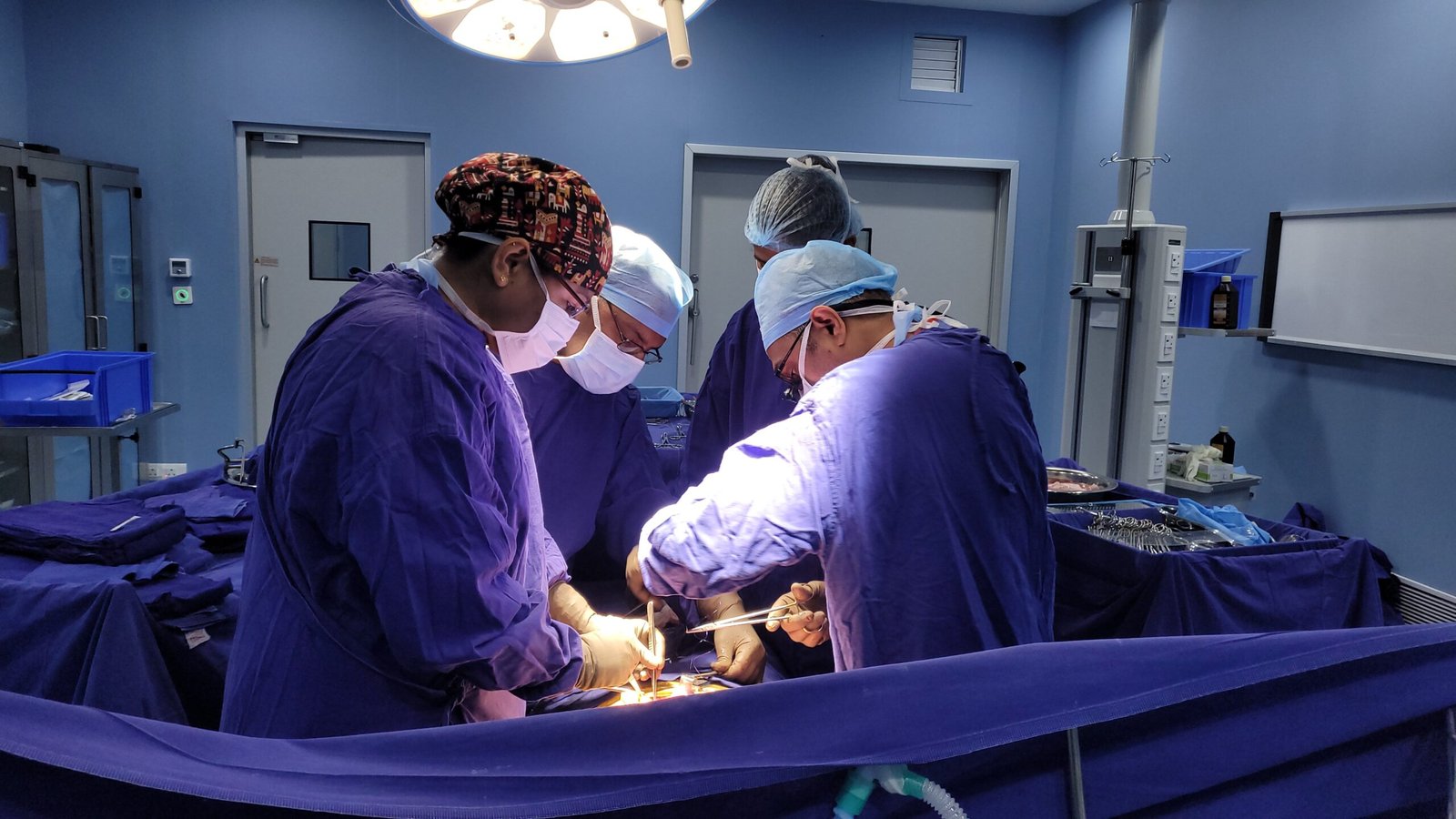
Most bladder cancers are treated with a surgical procedure known as TURBT (Transurethral Resection of Bladder Tumour). It is an endoscopic procedure performed entirely through the urethra, with no outside incision. Under spinal or general anaesthesia, a resectoscope is introduced through the urethra into the bladder and the tumour is excised with an electrical or laser loop. Most patients are discharged within 1-2 days . It is a very effective and well tolerated procedure. Quality of TURBT, with complete resection with detrusor muscle, is important for accurate staging and effective subsequent treatment.
BCG (bacillus Calmette-Guerin) is a live attenuated strain of Mycobacterium bovis, the organism used to make the TB vaccine, and it is placed directly into the bladder through a catheter. It causes a local immune reaction in the lining of the bladder which kills any remaining cancer cells and teaches the immune system to recognise and destroy future bladder cancer cells. Intravesical BCG is the most effective treatment for prevention of recurrence and progression in high-risk NMIBC. It is given as 6 weekly instillations (induction), followed by 3 weekly courses at 3, 6, 12, 18, 24, 30 and 36 months (maintenance).
Patients with muscle invasive bladder cancer (Stage T2 and above) and high-risk NMIBC that has failed BCG therapy are candidates for bladder removal (radical cystectomy). The bulk of patients, those with NMIBC, can be spared the bladder with TURBT and intravesical therapy. Dr. Vikas Singh performs laparoscopic bladder removal when it is necessary, and offers both ileal conduit (urostomy bag) and orthotopic neobladder (new bladder created from bowel that allows for natural urination). A thorough pre-operative discussion includes the option that best fits the individual patient’s anatomy and lifestyle.
This depends on the risk group of the tumour. Low-risk NMIBC: cystoscopy at month 3 and then annually for 5 years. Intermediate risk : 3 months , 9 months then yearly cystoscopy . High risk (T1 high grade, CIS) Cystoscopy: every 3 months for 2 years, every 6 months for years 3-5, then annually for life. Do not miss surveillance cystoscopies. Bladder cancer has a high recurrence rate, and the most important prognostic factor is early detection of recurrence (while still superficial and treatable).
Yes, the single best bladder cancer prevention measure is stopping smoking. After quitting smoking, the risk of bladder cancer progressively declines, falling by about 40% within 1 to 4 years and continuing to decline over time. However, the risk never fully returns to that of a never smoker. If you have bladder cancer, smoking makes it more likely that the cancer will come back or get worse. All smokers with bladder cancer are offered smoking cessation counselling and referral to support services by Dr. Vikas Singh.