
Kidney transplantation is one of the most effective treatments for people living with end-stage kidney disease. A successful transplant can improve quality of life, reduce dependence on dialysis, and help patients return to their daily routines. One of the most common questions patients and their families ask is, “Who Can Donate a Kidney?”
Understanding the eligibility criteria, medical tests, and living donor process can help both donors and recipients make informed decisions. In this guide, we explain everything you need to know about kidney donation, including who can donate, what evaluations are required, and what to expect before and after surgery.
If you or a loved one is considering kidney transplantation, consulting a kidney transplant specialist indore can help you understand your options and determine the most suitable treatment plan.
What Is Living Kidney Donation?
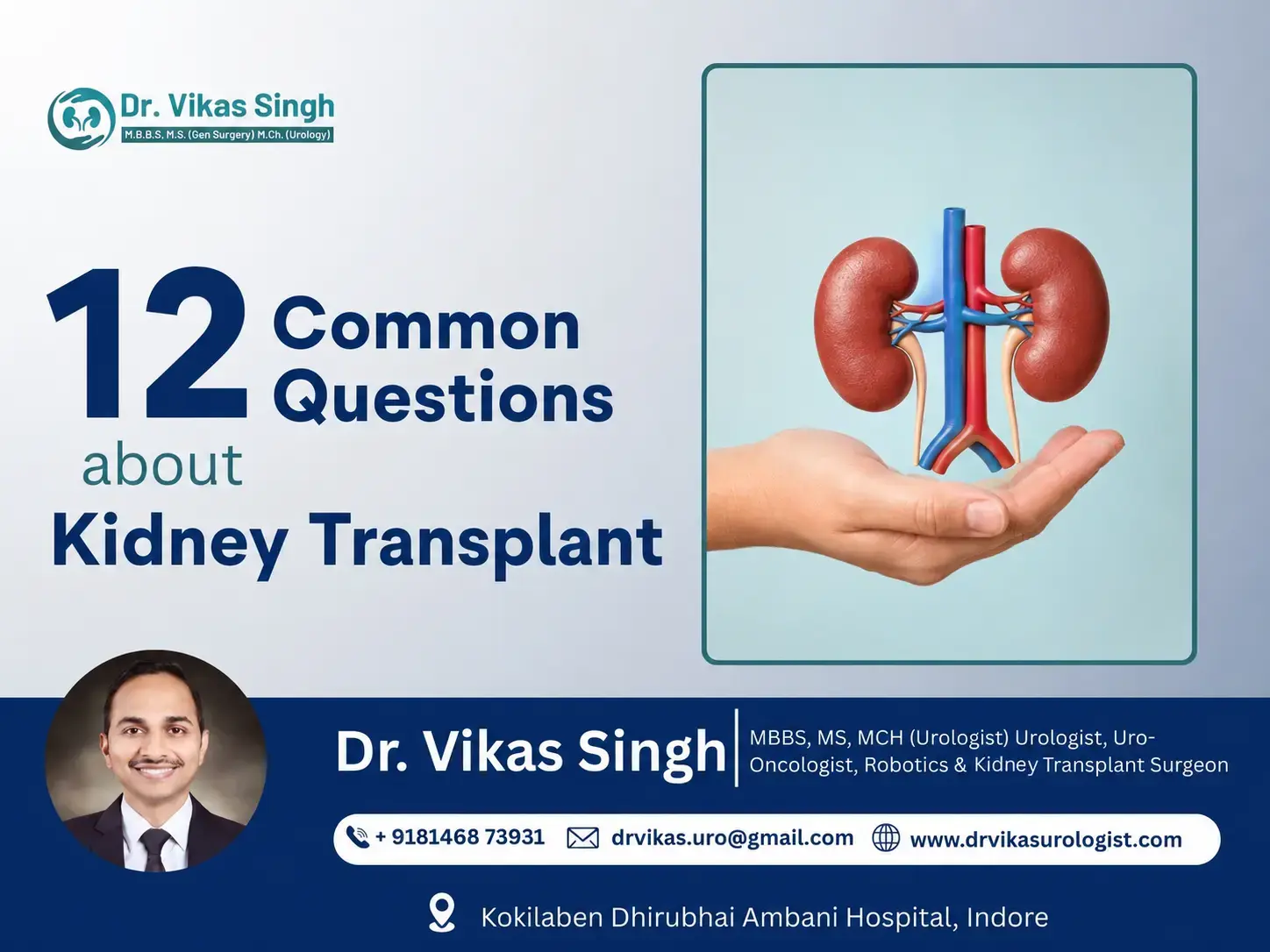
Living kidney donation is a procedure in which a healthy person donates one of their kidneys to someone with kidney failure. Since a person can live a healthy life with one functioning kidney, living donation has become an important option for many patients waiting for a transplant.
Compared to deceased donor transplantation, a living donor transplant often offers:
- Shorter waiting times
- Better long-term transplant success
- Improved kidney function
- Faster recovery for the recipient
- Greater flexibility in scheduling surgery
Who Can Donate a Kidney?
The answer to Who Can Donate a Kidney depends on several medical and personal factors. Not everyone is eligible to become a kidney donor, but many healthy adults may qualify after a thorough evaluation.
Generally, a kidney donor should:
- Be in good physical and mental health
- Be at least 18 years old (or as per local regulations)
- Have healthy kidney function
- Be free from serious medical conditions
- Be willing to donate voluntarily without pressure
The safety of the donor is always the highest priority throughout the evaluation process.
Who Can Become a Living Kidney Donor?
Living kidney donors are often family members, but they may also include:
- Parents
- Brothers or sisters
- Adult children
- Spouses
- Close relatives
- Friends
- Emotionally related individuals, where permitted under applicable regulations
Even if a donor is not a perfect blood group match, modern transplant techniques may allow transplantation in selected cases after careful evaluation.
Basic Eligibility Criteria for Kidney Donation
Before donation is approved, several factors are assessed.
General eligibility includes:
- Healthy blood pressure
- Good kidney function
- Healthy body weight
- No uncontrolled diabetes
- No active infections
- No untreated cancers
- No severe heart or lung disease
Every potential donor undergoes a detailed assessment to ensure donation is safe for both the donor and recipient.
Medical Tests Required Before Kidney Donation
A series of medical investigations helps determine whether a person is a suitable donor.
Blood Group Testing
Blood group compatibility is usually the first step. Compatible blood groups reduce the risk of rejection.
Tissue Typing (HLA Matching)
This test evaluates how closely the donor’s tissues match the recipient’s immune system.
Crossmatch Test
The crossmatch test checks whether the recipient has antibodies against the donor. A negative crossmatch generally indicates a lower risk of rejection.
Kidney Function Tests
Blood and urine tests measure how well the kidneys are functioning and ensure the donor has adequate kidney reserve.
Imaging Studies
Ultrasound or CT angiography provides detailed images of the kidneys and blood vessels to help surgeons plan the transplant.
Additional Health Assessments for Donors
Beyond kidney-specific tests, donors undergo a complete health evaluation.
This may include:
- Complete blood tests
- Heart evaluation
- Chest imaging if required
- Urine analysis
- Screening for infections
- Liver function tests
These investigations help identify any condition that could affect donor safety.
Psychological Evaluation Before Donation
Living kidney donation is a significant decision. Psychological assessment ensures that donors understand:
- The donation process
- Possible risks
- Expected recovery
- Long-term lifestyle considerations
The evaluation also confirms that the decision is voluntary and free from external pressure.
Can Someone with Medical Conditions Donate a Kidney?
Some medical conditions may prevent kidney donation, while others require individual assessment.
Donation is usually not recommended for people with:
- Uncontrolled diabetes
- Severe hypertension
- Chronic kidney disease
- Active cancer
- Serious heart disease
- Untreated infections
Each case is evaluated individually by the transplant team.
What Happens During the Living Donor Process?
The living donor process follows several carefully planned steps.
Step 1: Initial Consultation
The donor meets the transplant team to discuss medical history and expectations.
Step 2: Medical Evaluation
Comprehensive tests determine overall health and kidney function.
Step 3: Compatibility Testing
Blood group, tissue matching, and crossmatch testing are performed.
Step 4: Surgical Planning
Once approved, surgery is scheduled at a convenient time for both donor and recipient.
Step 5: Kidney Donation Surgery
The donor kidney is removed using advanced surgical techniques, often through minimally invasive methods.
Recovery After Kidney Donation
Most donors recover well and return to normal daily activities within a few weeks.
Recovery usually includes:
- Short hospital stay
- Gradual return to walking
- Pain management
- Regular follow-up appointments
- Temporary activity restrictions
The transplant team provides detailed recovery instructions tailored to each donor.
Can You Live Normally with One Kidney?
Yes. Most healthy kidney donors live long, active, and healthy lives with one kidney.
The remaining kidney naturally adapts and performs the work needed to maintain normal kidney function.
Maintaining a healthy lifestyle after donation is important for long-term well-being.
Risks of Living Kidney Donation
Although kidney donation is generally safe, every surgery carries some risks.
Possible complications include:
- Bleeding
- Infection
- Pain after surgery
- Blood clots
- Rare surgical complications
Long-term complications are uncommon when donors are carefully selected and monitored.
Tips for Maintaining Kidney Health After Donation
Living with one kidney requires healthy lifestyle habits.
Recommendations include:
- Stay well hydrated
- Maintain a healthy weight
- Exercise regularly
- Eat a balanced diet
- Avoid smoking
- Attend routine health checkups
- Monitor blood pressure regularly
These habits support lifelong kidney health.
Why Choose an Experienced Kidney Transplant Team?
Kidney transplantation requires close coordination between nephrologists, transplant surgeons, anesthesiologists, and support staff.
Choosing an experienced kidney transplant surgeon indore helps ensure comprehensive evaluation, careful surgical planning, and ongoing follow-up care.
Patients seeking advanced transplant services often consult the best kidney transplant doctor indore to receive personalized guidance throughout the transplant journey.
Frequently Asked Questions
1. Can a person live a normal life after donating a kidney?
Yes. Most healthy donors live normal, active lives with one kidney, provided they maintain a healthy lifestyle and attend regular medical checkups.
2. How long does the kidney donor evaluation process take?
The evaluation may take several weeks, depending on the required tests, medical history, and compatibility assessments.
3. Does donating a kidney affect life expectancy?
Research shows that carefully selected healthy kidney donors generally have a life expectancy similar to the general population, provided they continue regular health monitoring.
Conclusion
Understanding Who Can Donate a Kidney is the first step toward making informed decisions about living kidney donation. Careful medical screening, compatibility testing, and comprehensive evaluations ensure the safety of both the donor and the recipient.
Living kidney donation has transformed countless lives by reducing waiting times and improving transplant outcomes. While not everyone is eligible to donate, many healthy individuals can safely become donors after completing the required assessments.
If you are considering kidney donation or transplantation, consulting a best doctor for kidney transplant indore can help you understand the process, evaluate eligibility, and receive expert guidance at every stage.
Book Your Consultation Today
Dr. Vikas Singh provides comprehensive kidney transplant evaluation and advanced surgical care with a patient-centred approach. Whether you need guidance from a kidney transplant specialist indore or an experienced kidney transplant surgeon indore, expert support is available to help you make informed decisions and achieve the best possible transplant outcomes.