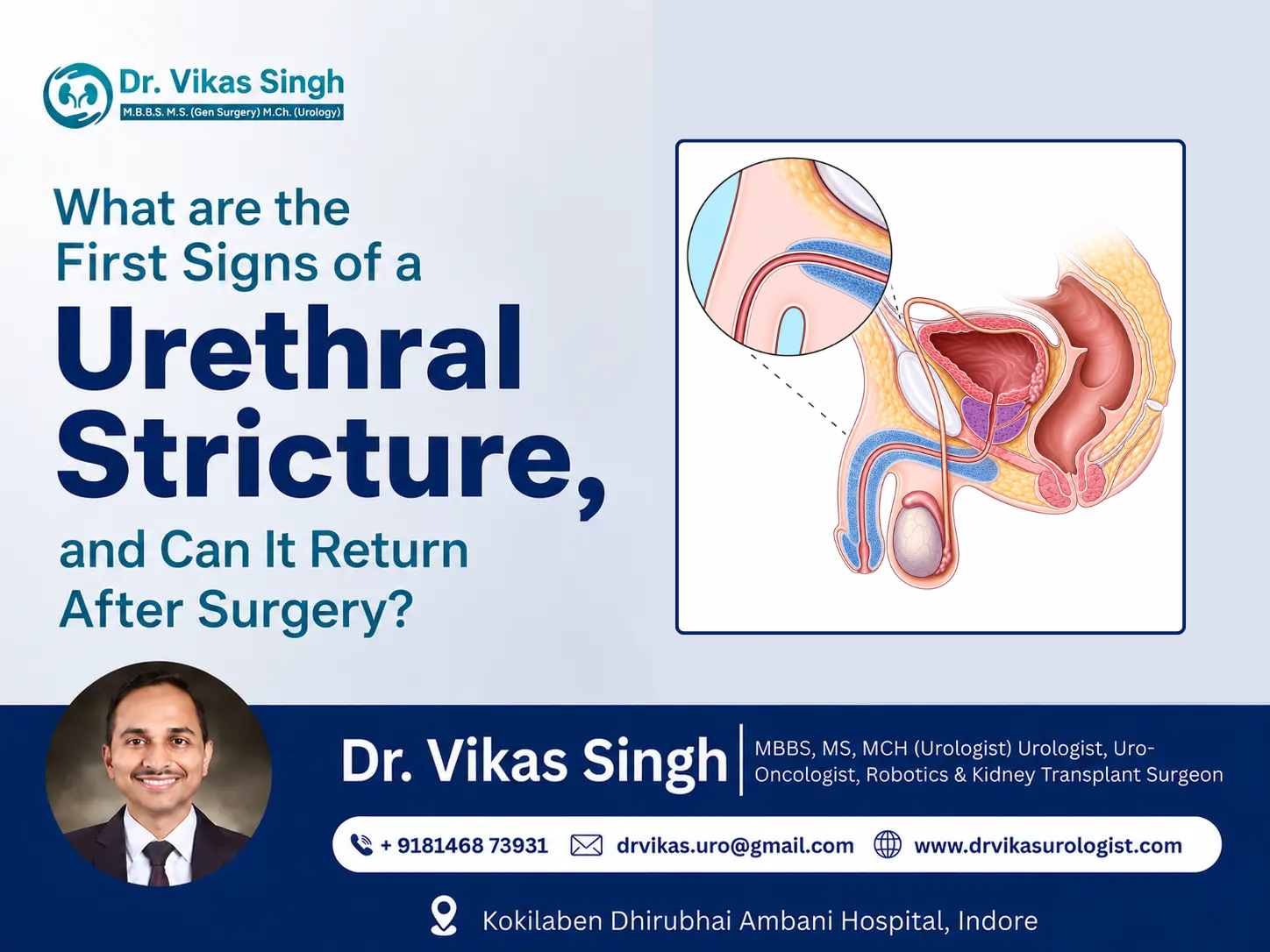
The first signs of a urethral stricture are usually a weak or slow urine stream, spraying or a split stream, straining to pass urine, and a feeling that the bladder never empties fully. Many men also notice more frequent or urgent urination.
And yes, a urethral stricture can return after surgery. How likely it is to come back depends heavily on the treatment used. This guide explains the early symptoms, the causes, your treatment options, and how to lower the risk of recurrence with a trusted urologist in Indore.
What Is a Urethral Stricture?
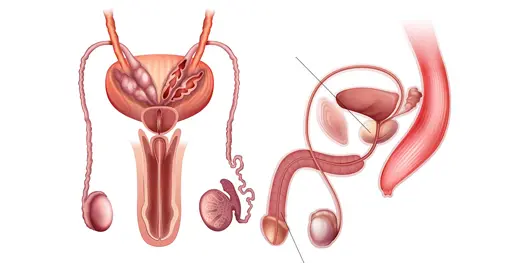
The urethra is the tube that carries urine from the bladder out of the body. A urethral stricture is a narrowing of the urethra caused by scar tissue, which slows or blocks the flow of urine.
Because the channel is tighter, the bladder has to push harder to empty. Over time this extra strain can affect the bladder and, if ignored, the kidneys.
Early Signs of a Urethral Stricture You Should Not Ignore
Spotting the early signs of a urethral stricture gives you the best chance of simple treatment. Watch for these symptoms:
• A weak, slow, or dribbling urine stream
• Spraying or a split stream that is hard to aim
• Straining or pushing to start or keep the flow going
• A feeling of incomplete emptying after you finish
• More frequent, urgent, or night-time urination
• Mild burning, or occasional blood in the urine or semen
These symptoms often build up slowly, so many men adjust without realising there is a problem. If your flow has quietly weakened over months, it is worth getting checked.
Urethral Stricture vs Enlarged Prostate: How to Tell the Difference
A weak stream can come from either a urethral stricture or an enlarged prostate, so the two are easy to confuse. The difference matters, because the treatments are very different.
Strictures often affect younger men and tend to follow an infection, injury, or a past procedure. An enlarged prostate is more common with age and usually builds up gradually without a clear injury. Only proper testing can tell them apart, which is why a slow stream should never be self-diagnosed.
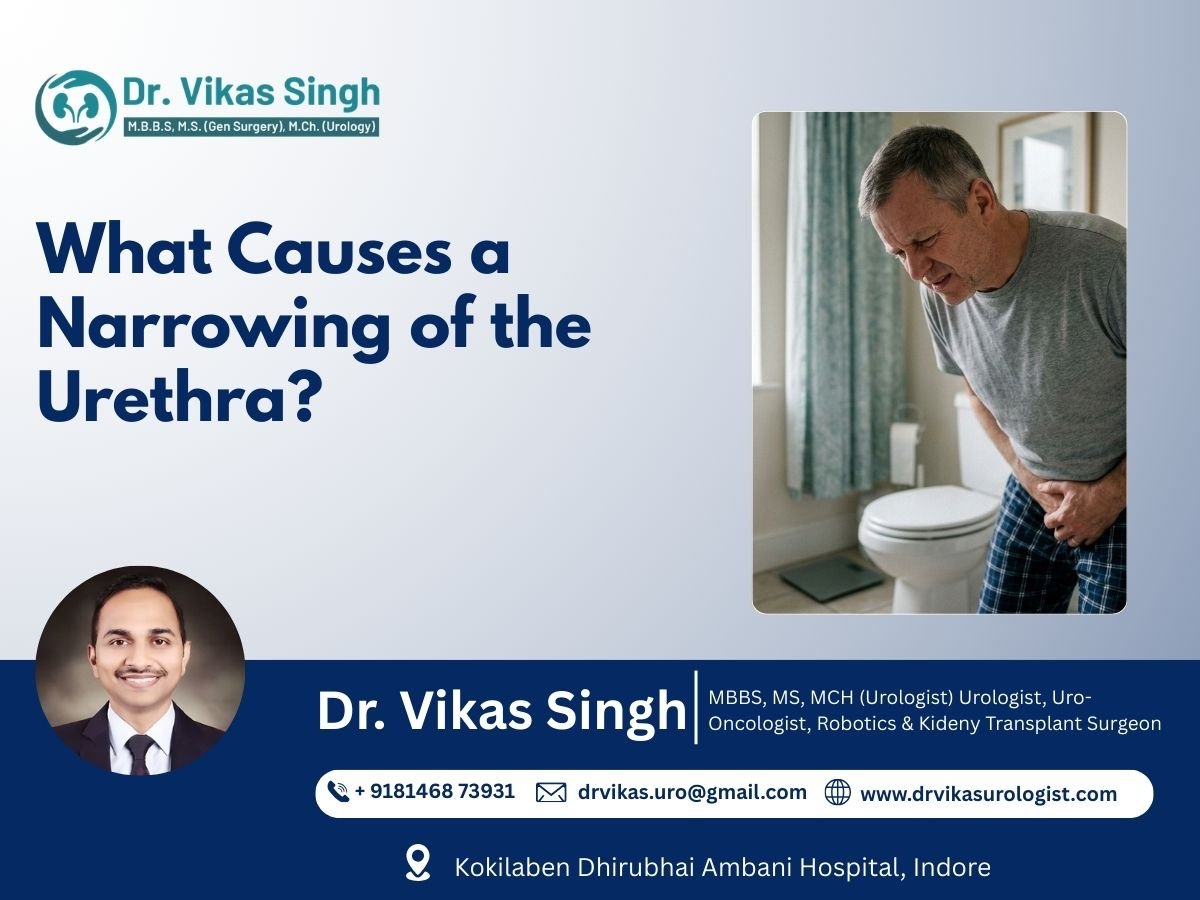
What Causes the Urethra to Narrow?
Scar tissue forms after the urethra is injured or inflamed. Common causes of a urethral stricture include:
• Injury or trauma, such as a straddle fall or pelvic fracture
• Infection or inflammation, including some sexually transmitted infections
• Previous catheter use, surgery, or an endoscopic procedure
• Long-term irritation or, in some men, no clear cause at all
Knowing the cause helps guide treatment and prevention. For example, a stricture from a single injury may behave differently from one linked to ongoing inflammation, and your urologist will factor this into the plan.
When Signs of a Urethral Stricture Become an Emergency
Some symptoms need urgent care. Seek help quickly if you cannot pass urine at all, have severe lower-belly pain and a full bladder, see heavy blood in the urine, or develop fever with painful urination.
A sudden inability to urinate, called acute urinary retention, is a medical emergency and should be treated the same day.
What Happens If a Urethral Stricture Is Left Untreated?
Ignoring the signs of a urethral stricture rarely makes them go away. As the narrowing tightens, the bladder works overtime and the pressure can travel back up the urinary tract.
Untreated strictures can lead to repeated urinary infections, bladder stones, and difficulty emptying that leaves stale urine behind. In severe cases, urine backs up toward the kidneys and can affect kidney function, so early treatment protects far more than comfort.
How Doctors Diagnose a Urethral Stricture
A urologist confirms the diagnosis with simple, painless tests. These usually include:
• Uroflowmetry, which measures how fast and strong your stream is
• A retrograde urethrogram, an X-ray that maps the exact location and length of the narrowing
• Cystoscopy, a thin camera that looks directly inside the urethra
Knowing the length and position of the stricture is what decides the right treatment.
Urethral Stricture Treatment Options Compared
Treatment ranges from quick stretching to full reconstruction. The table below compares the main options and how likely the stricture is to return with each.
| Treatment | How it works | Best suited for | Recurrence risk |
| Urethral dilation | Gently stretches the narrowed section open | Short, simple strictures; quick temporary relief | High |
| OIU (optical internal urethrotomy) | Endoscopic laser or blade cut through the scar | A first, short stricture under about 1.5 cm | Moderate to high, especially if repeated |
| Urethroplasty | Open surgical reconstruction of the urethra | Long, dense, or recurrent strictures | Low; most durable |
| Buccal graft urethroplasty | Rebuilds the urethra using cheek-lining tissue | Long or complex strictures | Low; high long-term success |
Note: the best choice depends on the length, location, and history of your stricture.
Can a Urethral Stricture Return After Surgery?
Yes, recurrence is possible, and the treatment method is the biggest factor. Urethral dilation and OIU are quick and less invasive, but the stricture often comes back, and repeat procedures tend to work less well each time.
Urethroplasty, especially with a buccal (cheek-lining) graft, reconstructs the urethra and offers the most durable, long-lasting result. For long or repeat strictures, it is usually the treatment least likely to fail.
How to Lower Your Risk of Recurrence: A Simple Checklist
You can protect your result after treatment. Dr. Vikas Singh recommends this practical checklist:
• Attend every follow-up, including flow tests, even when you feel fine
• Treat urinary infections early and drink enough water
• Avoid unnecessary catheters and rough instrumentation
• Report any returning signs of a urethral stricture, such as a weakening stream, straight away
• For recurrent strictures, ask whether urethroplasty is a better long-term fix than another dilation
Catching a returning narrowing early keeps your options simple and your recovery faster.
Book Your Urethral Stricture Consultation in Indore Today
Noticing the early signs of a urethral stricture? Do not wait for the flow to stop completely. Dr. Vikas Singh, a leading urologist and reconstructive urology specialist in Indore, will diagnose the cause and recommend the most durable treatment for you. Call +91 81468 73931 or book your appointment online for expert, lasting care.
Frequently Asked Questions
1. Can a urethral stricture come back after surgery?
Yes. Recurrence depends on the method. Dilation and internal urethrotomy (OIU) have a high chance of the stricture returning, and repeat attempts often work less well. Urethroplasty is the most durable option with the lowest recurrence rate.
2. What are the early warning signs of a urethral stricture?
The earliest signs are a weak or slow urine stream, spraying or a split stream, straining to urinate, and a feeling of incomplete emptying. Many men also notice more frequent or urgent urination before it becomes obvious.
3. Can a urethral stricture heal without surgery?
A true urethral stricture is scar tissue, so it does not heal on its own. Very mild cases may simply be watched, but narrowing that causes symptoms usually needs a procedure to open or rebuild the urethra.