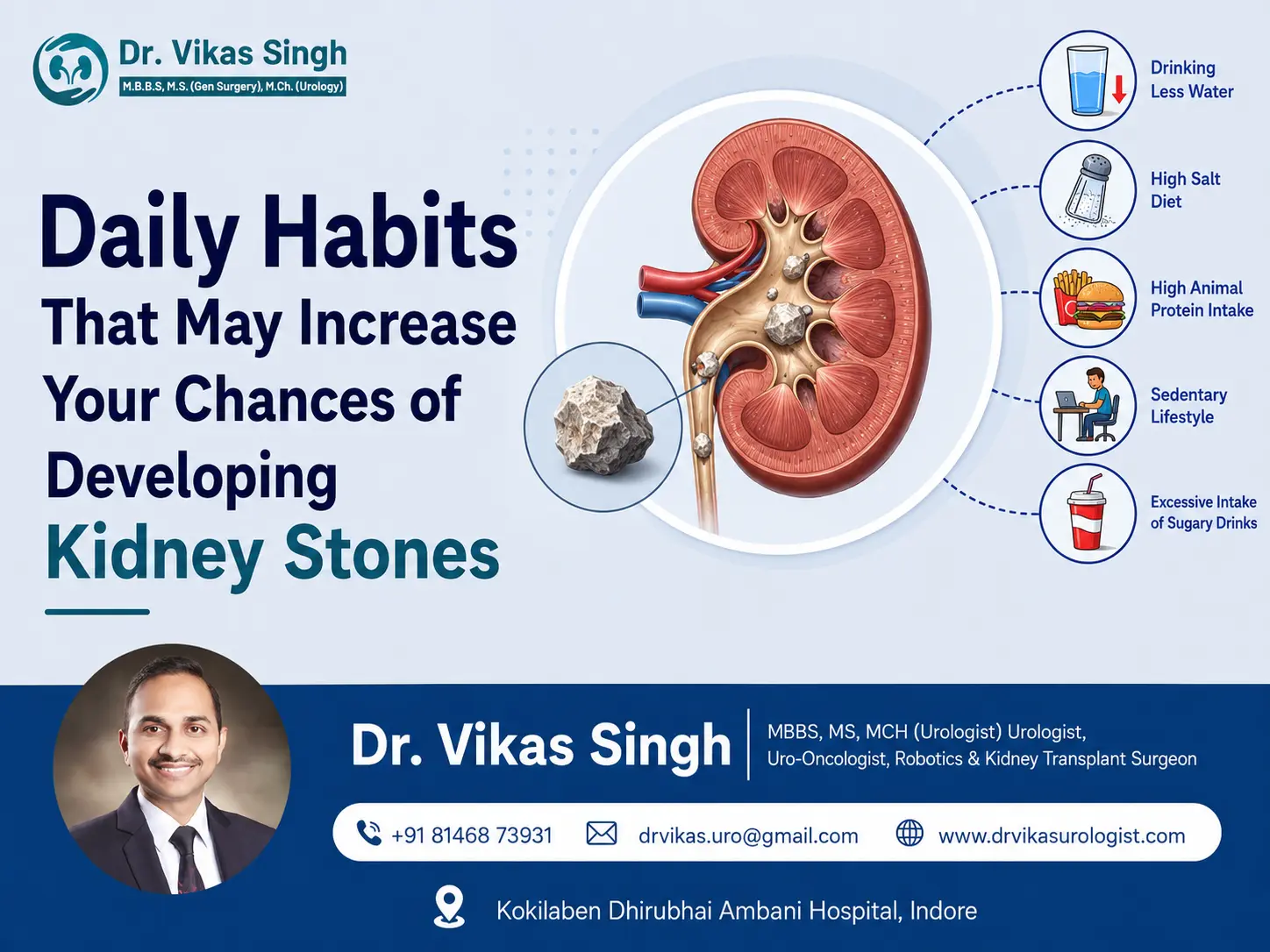
Kidney stones are one of the most painful urological conditions affecting people of all age groups. Many patients are surprised to learn that their daily eating and drinking habits can significantly increase the risk of developing stones. Understanding What Foods and Drinks Cause Kidney Stones is important for prevention, especially for individuals who have already experienced stone-related pain or urinary problems.
Kidney stones form when minerals and salts accumulate inside the kidneys and crystallize. Diet plays a major role in this process. Certain foods increase calcium, oxalate, sodium, and uric acid levels in urine, making stone formation more likely. By making smart dietary choices, many patients can reduce the chances of recurrent stones and avoid complicated treatments.
If you notice severe back pain, burning urination, blood in urine, nausea, or frequent urinary infections, these may be common signs of kidney stones and should not be ignored. Consulting the best kidney stone doctor in Indore early can help prevent complications and preserve kidney health.
What Are Kidney Stones and Why Diet Matters?
Kidney stones are hard mineral deposits that form in the kidneys due to concentrated urine. They can vary in size from tiny crystals to larger stones that block urine flow. The four common types include:
- Calcium oxalate stones
- Uric acid stones
- Struvite stones
- Cystine stones
Among these, calcium oxalate stones are the most common. Poor hydration and unhealthy dietary habits are major contributors. Understanding What Foods and Drinks Cause Kidney Stones helps patients take preventive action before symptoms become severe.
Many patients seeking kidney stones treatment indore are advised to modify their diet alongside medication or surgical procedures.
What Foods and Drinks Cause Kidney Stones?
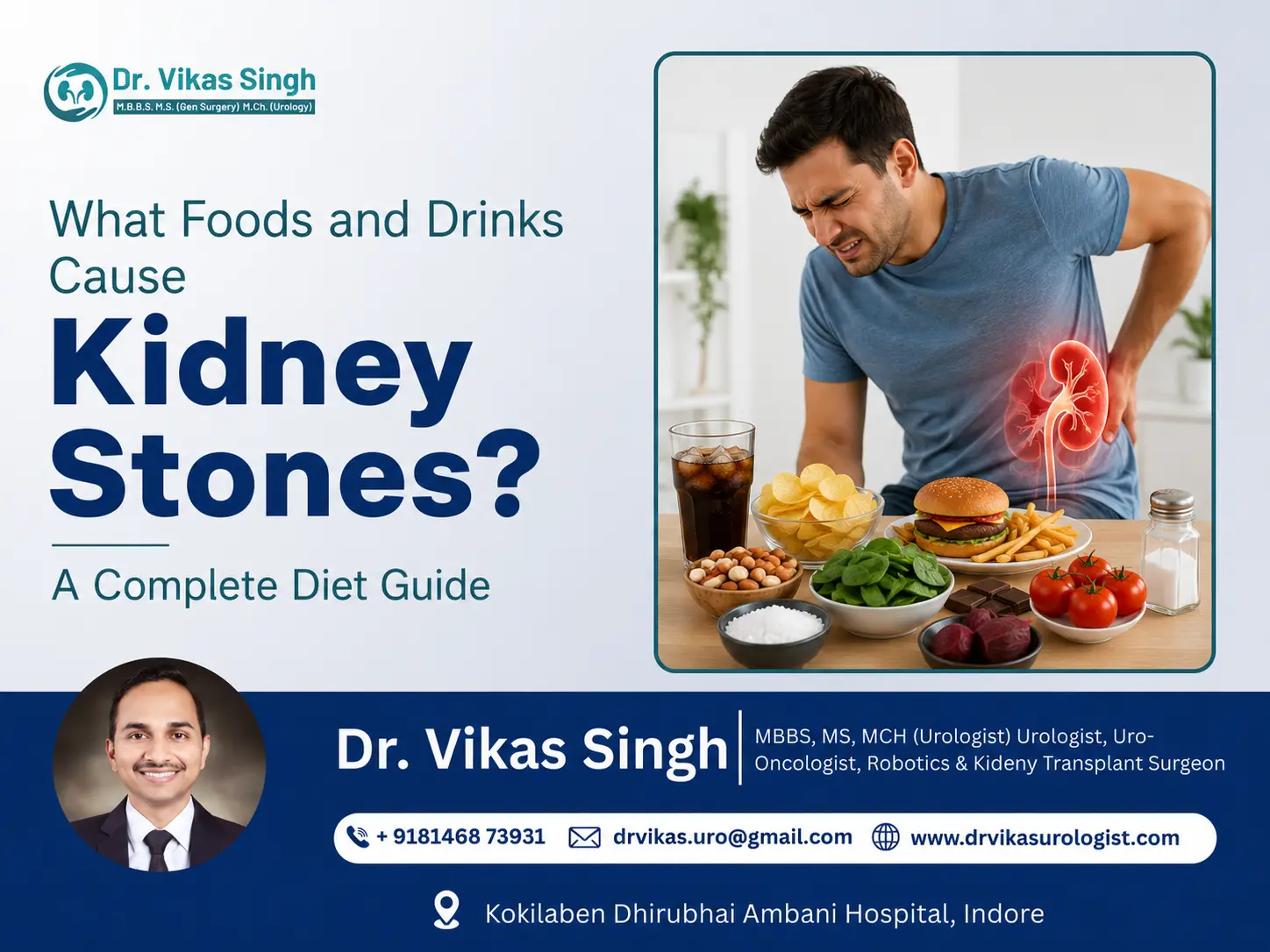
Certain foods and beverages increase mineral buildup in urine and promote crystal formation. Limiting these items can lower stone risk significantly.
High-Sodium Foods
Excess salt is one of the leading dietary causes of kidney stones. High sodium intake increases calcium excretion in urine, which promotes calcium stone formation.
Foods high in sodium include:
- Packaged snacks
- Chips and namkeen
- Processed foods
- Instant noodles
- Pickles
- Fast food
- Frozen meals
Patients are often unaware that even restaurant meals contain high amounts of hidden sodium. Reducing salt intake is one of the first recommendations made by a kidney stone specialist in Indore.
Oxalate-Rich Foods That May Trigger Stones
Oxalate is a natural compound found in many foods. When oxalate combines with calcium in urine, calcium oxalate stones can develop.
Foods high in oxalates include:
- Spinach
- Beetroot
- Chocolate
- Tea
- Nuts
- Sweet potatoes
- Soy products
This does not mean patients must avoid these foods completely. Portion control and adequate hydration are important. Pairing calcium-rich foods with oxalate-containing foods may also help reduce absorption.
Sugary Drinks and Soft Drinks
Sugary beverages are strongly associated with kidney stone risk. Drinks containing high fructose corn syrup may increase uric acid levels and worsen dehydration.
Problematic beverages include:
- Cola drinks
- Energy drinks
- Packaged fruit juices
- Sweetened iced tea
- Artificially flavored beverages
Dark colas contain phosphoric acid, which may contribute to stone formation. Replacing sugary drinks with water or lemon water is a healthier option.
Many patients visiting a doctor for kidney stone treatment in indore are advised to stop excessive soft drink consumption immediately.
Red Meat and Animal Protein
High intake of animal protein can increase uric acid levels and reduce citrate in urine. Citrate helps prevent stones naturally.
Foods to limit include:
- Red meat
- Organ meat
- Processed meat
- Excess chicken intake
- Shellfish
A diet very high in protein may also increase calcium excretion. Moderation is essential for individuals prone to recurrent kidney stones.
Excessive Vitamin C Supplements
While vitamin C is important for immunity, very high supplement doses may increase oxalate production in the body.
Patients who frequently consume high-dose supplements without medical guidance may unknowingly raise their stone risk. It is safer to obtain nutrients from natural foods whenever possible.
Drinks That Help Prevent Kidney Stones
While discussing What Foods and Drinks Cause Kidney Stones, it is equally important to know which beverages support kidney health.
Water
Water is the best defense against kidney stones. Proper hydration dilutes urine and prevents mineral concentration.
Experts often recommend:
- 2.5 to 3 liters of water daily
- More fluids during summer
- Increased hydration during exercise
Patients with recurrent stones may need even higher intake based on medical advice.
Lemon Water and Citrus Drinks
Lemons contain citrate, which helps prevent calcium stone formation. Fresh lemon water without added sugar is beneficial.
Other helpful citrus fruits include:
- Oranges
- Mosambi
- Grapefruit (if medically suitable)
Coconut Water
Coconut water may support hydration and improve urinary flow. It can be a useful addition to a kidney-friendly diet when consumed in moderation.
Foods That Support Kidney Stone Prevention
Knowing What Foods and Drinks Cause Kidney Stones is only part of prevention. Adding protective foods is equally important.
Calcium-Rich Foods
Many people mistakenly avoid calcium entirely after developing stones. However, dietary calcium actually helps bind oxalate in the intestine and reduce stone formation.
Healthy calcium sources include:
- Milk
- Yogurt
- Paneer
- Curd
Calcium supplements should only be taken under medical supervision.
Fruits and Vegetables
Fresh produce supports hydration and provides potassium and citrate.
Helpful options include:
- Bananas
- Cucumbers
- Watermelon
- Papaya
- Pumpkin
- Cabbage
Vegetables also support digestive and urinary health.
Whole Grains
Whole grains provide fiber and help maintain balanced metabolism.
Good choices include:
- Oats
- Brown rice
- Whole wheat
- Barley
Common Signs of Kidney Stones You Should Never Ignore
Recognizing the early signs of kidney stones can help patients seek timely treatment.
Symptoms may include:
- Severe pain in the back or side
- Pain spreading toward the groin
- Burning urination
- Blood in urine
- Nausea and vomiting
- Frequent urge to urinate
- Fever with urinary infection
If these symptoms appear suddenly, immediate consultation with a urologist kidney stone specialist indore is recommended.
How Poor Diet Increases the Risk of Recurrent Kidney Stones
Many patients successfully remove stones but later experience recurrence because dietary habits remain unchanged. Kidney stones often return when preventive measures are ignored.
Common lifestyle mistakes include:
- Drinking insufficient water
- Excess salt intake
- Frequent fast-food consumption
- High soft drink intake
- Excessive protein-heavy diets
- Ignoring early symptoms
Long-term dietary management is one of the most effective strategies for preventing repeat stones.
When Is Medical Treatment Necessary?
Small kidney stones may pass naturally with hydration and medication. However, larger stones can obstruct urine flow and cause severe complications.
Treatment may be needed if:
- Pain becomes unbearable
- Stones fail to pass naturally
- Repeated infections occur
- Kidney function is affected
- Urine flow becomes blocked
Advanced procedures such as kidney stone laser surgery indore help remove stones with minimal discomfort and faster recovery.
Modern laser procedures are highly effective for managing complex or larger stones safely.
Best Diet Tips for Kidney Stone Prevention
Following simple dietary habits can greatly reduce future stone risk.
Practical Prevention Tips
- Drink enough water daily
- Reduce packaged and salty foods
- Limit sugary beverages
- Avoid excessive red meat intake
- Eat balanced calcium-rich foods
- Increase fresh fruits and vegetables
- Maintain healthy body weight
- Avoid dehydration during summer
Patients consulting a kidney stone specialist in indore are often advised to follow individualized diet plans depending on stone type.
Lifestyle Changes That Improve Kidney Health
In addition to dietary changes, healthy lifestyle habits support urinary wellness.
Helpful habits include:
- Regular physical activity
- Timely medical checkups
- Managing diabetes and blood pressure
- Avoiding smoking
- Limiting alcohol intake
- Taking medications only under supervision
Preventive care is always easier and less expensive than emergency stone treatment.
Frequently Asked Questions About Kidney Stones
1. What foods are most likely to cause kidney stones?
Foods high in sodium, oxalates, and excessive animal protein can increase kidney stone risk. Common examples include processed foods, spinach, chocolate, salty snacks, and sugary soft drinks.
2. Can drinking less water cause kidney stones?
Yes. Dehydration is one of the biggest causes of kidney stones. Low water intake concentrates minerals in urine, making crystal formation more likely.
3. Are kidney stones preventable through diet?
In many cases, yes. Proper hydration, reducing salt intake, limiting sugary drinks, and maintaining a balanced diet can significantly reduce the risk of stone formation and recurrence.
Conclusion
Understanding What Foods and Drinks Cause Kidney Stones is essential for protecting long-term kidney health. Daily dietary choices directly influence stone formation, recurrence risk, and urinary wellness. Reducing high-sodium foods, sugary beverages, and excess animal protein while increasing hydration can make a major difference.
If you experience persistent back pain, burning urination, or other signs of kidney stones, do not delay medical evaluation. Early diagnosis and proper dietary management can prevent severe complications and the need for emergency treatment.
For expert guidance, advanced diagnosis, and personalized care, consult the best kidney stone doctor in indore. Whether you need preventive advice, medication, or kidney stone laser surgery indore, timely treatment can help you recover safely and avoid future stone problems.