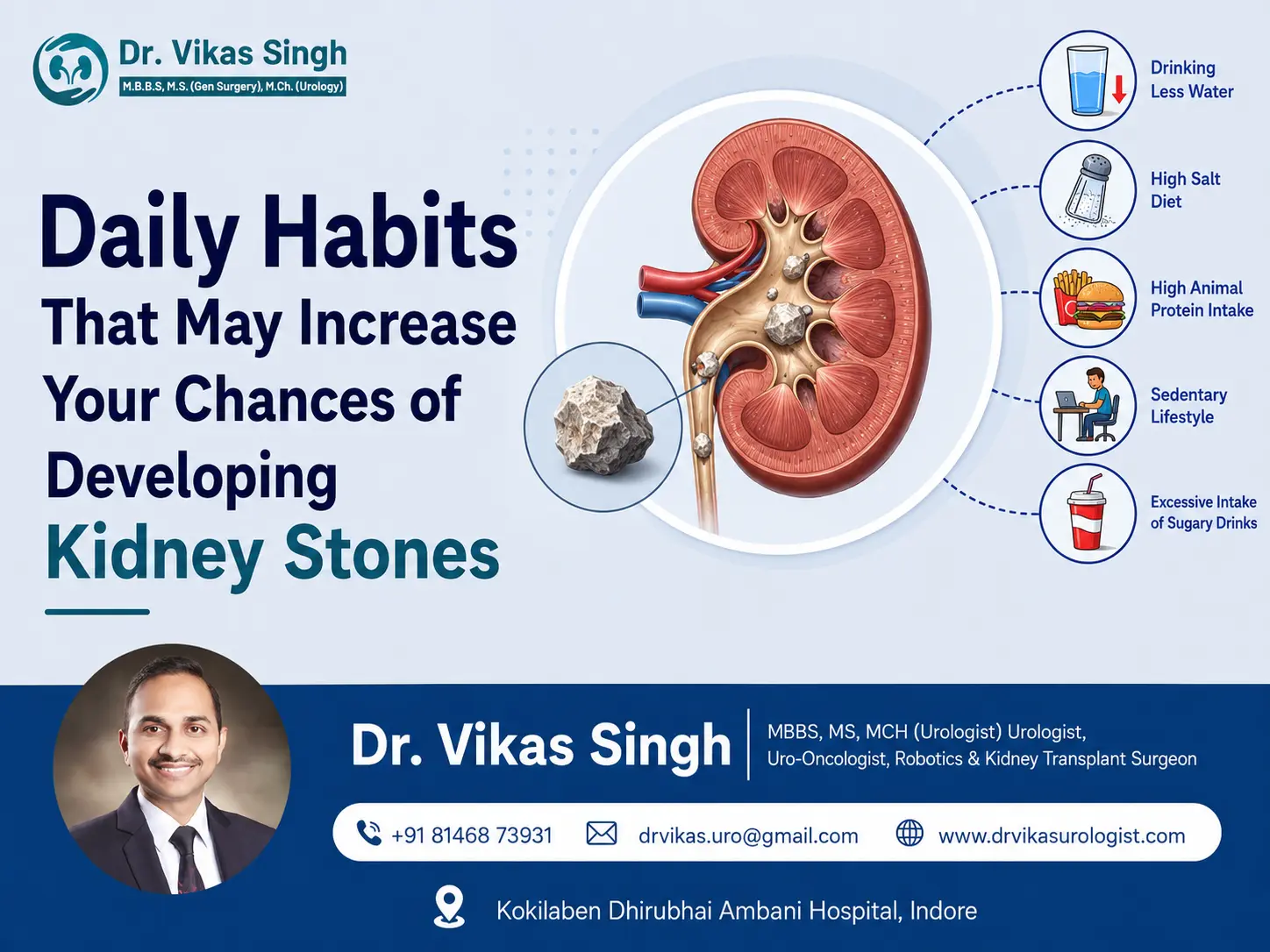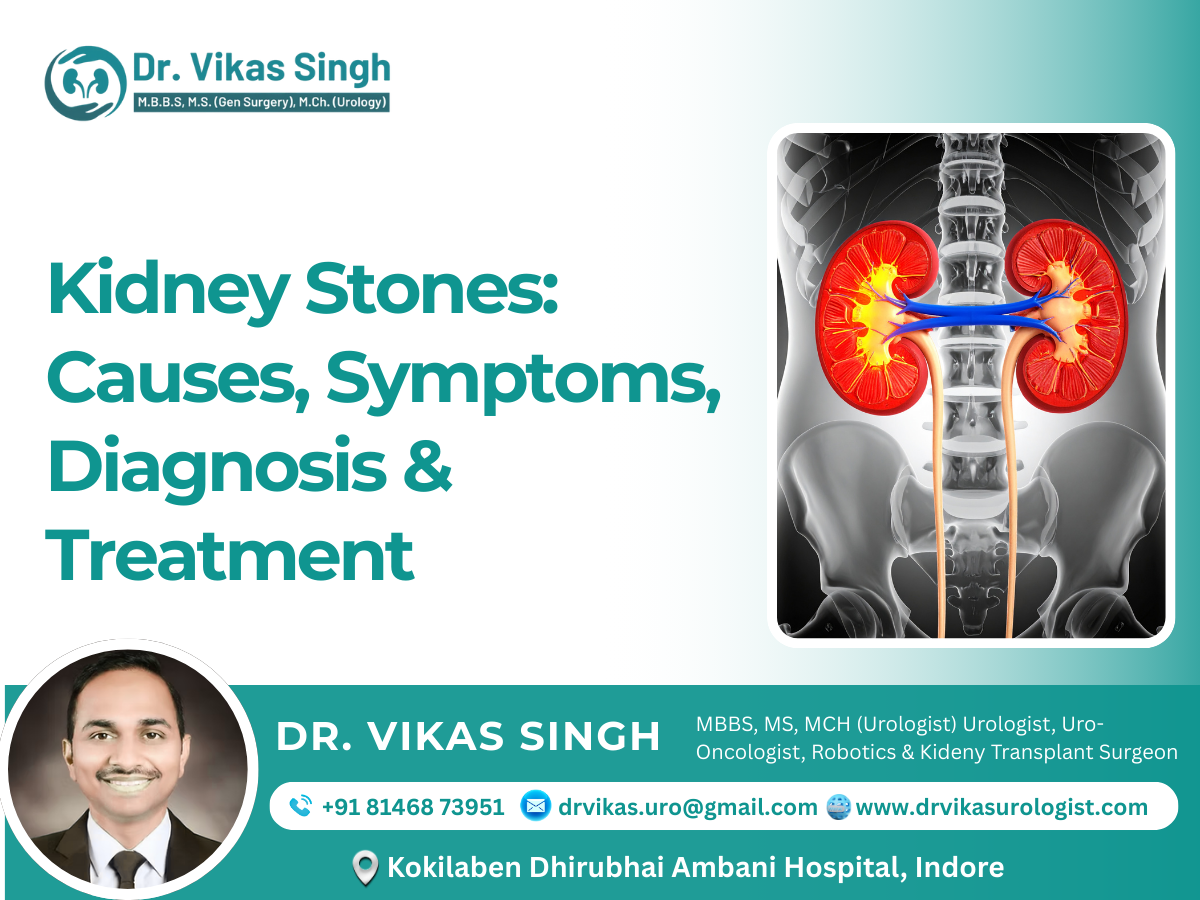
Kidney stones affect nearly 12% of men and 6% of women globally at some point in their lifetime, according to the National Kidney Foundation. In India, the rate is rising due to low water intake and dietary habits, especially in central India. If you are searching for the right kidney stone treatment in Indore, understanding your options is the first step.
Not all kidney stones are treated the same way. A 4mm stone behaves very differently from a 3cm stone. The location of the stone, whether it is inside the kidney or stuck in the ureter, also changes which procedure your kidney stone specialist in Indore will recommend.
This guide explains three major procedures: RIRS, PCNL, and Laser URSL. By the end, you will know exactly how they differ, which one suits your condition, and what to expect from each.
Recognising the Signs of Kidney Stones Early
Before choosing a treatment, you first need to know if you have a kidney stone. The signs of kidney stones are often hard to ignore. Here is what to watch for:
- Severe pain in the back or side just below the ribs, often described as cramping or sharp stabbing
- Pain that travels to the lower abdomen and groin
- Burning sensation or pain while urinating
- Pink, red, or brown urine (blood in the urine)
- Frequent urge to urinate but passing only small amounts
- Nausea and vomiting alongside the pain
- Fever and chills if an infection is also present
If you notice two or more of these symptoms together, consult a kidney stone doctor in Indore right away. Early diagnosis prevents complications such as kidney damage or repeated infections.
What Is RIRS and When Is It Used for Kidney Stone Removal?
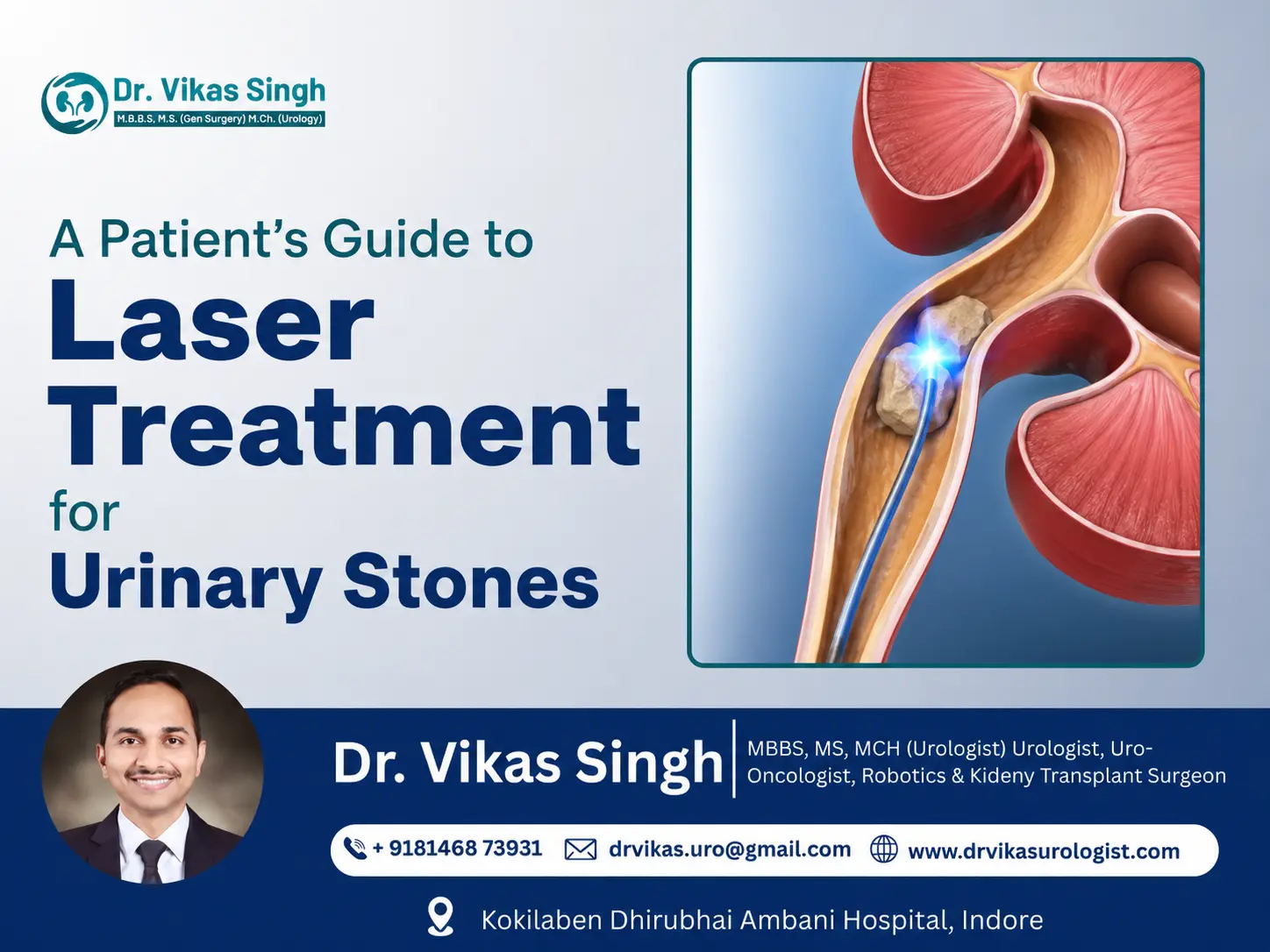
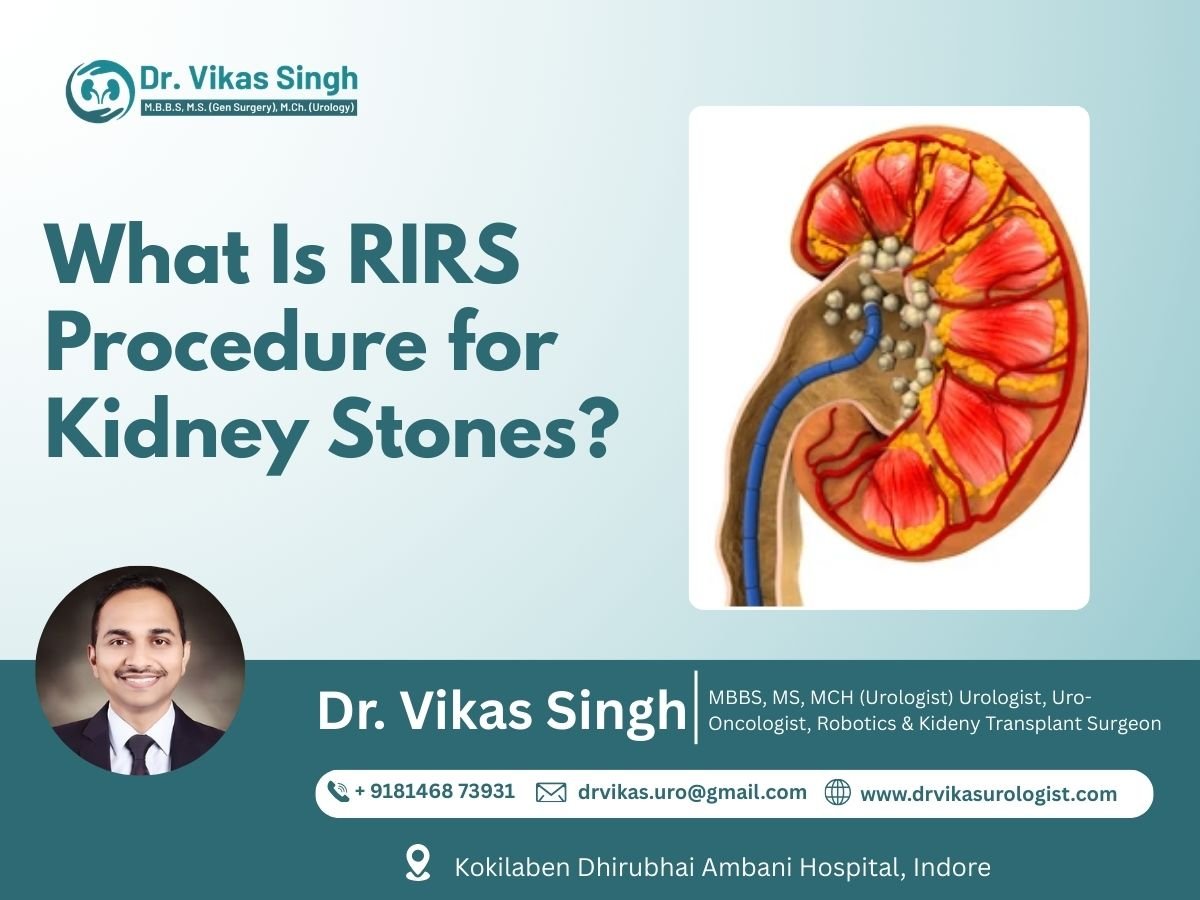
RIRS stands for Retrograde Intrarenal Surgery. The procedure involves passing a very thin, flexible camera called a flexible ureteroscope through the urethra, up through the bladder and ureter, and into the kidney. No cuts are made on the body.
Once inside, the doctor uses a laser to break the stone into tiny dust-like particles. These particles then pass out naturally with urine. The entire procedure is done under general or spinal anaesthesia and usually takes 45 to 90 minutes.
Who Is RIRS Best For?
- Patients with stones 1 to 2 cm in size located inside the kidney
- People who cannot undergo open surgery due to other health conditions
- Patients who want zero cuts, quicker recovery, and same-day or next-day discharge
- Cases where ESWL (shock wave therapy) has failed
Advantages of RIRS
- No incision on the body
- Very low risk of bleeding
- Short hospital stay (usually 1 day)
- Highly effective for moderately sized stones
- Safe for patients with a single kidney or clotting issues
RIRS is one of the most frequently performed procedures for kidney stone laser surgery in Indore. The procedure uses Holmium or Thulium fiber laser technology for precise stone fragmentation.
What Is PCNL and When Do Doctors Recommend It for Large Kidney Stones?
PCNL stands for Percutaneous Nephrolithotomy. This is a minimally invasive but slightly more involved procedure used for larger or more complex kidney stones. It is considered the gold standard for stones larger than 2 cm.
The surgeon makes a small cut (about 1 cm) in the back and inserts a hollow tube directly into the kidney. A nephroscope is passed through this tube to see the stone clearly. The stone is then broken using a laser or ultrasound device, and the fragments are suctioned out.
Who Is PCNL? Best For?
- Patients with stones larger than 2 cm or staghorn stones that fill the kidney
- Cases where the stone is very hard (calcium oxalate monohydrate stones)
- Patients with multiple stones in the kidney
- People who have not responded to ESWL or RIRS
Advantages of PCNL
- Single procedure for complete stone clearance, even in complex cases
- Allows direct visual access to the stone
- Very high stone-free rate for large stones (over 85%)
- Mini PCNL and Ultra-Mini PCNL variants reduce the incision size further
Dr. Vikar, a urologist and kidney stone specialist in Indore, performs both standard PCNL and mini PCNL depending on the stone burden and patient anatomy. A short hospital stay of 2 to 3 days is typically expected.
What Is Laser URSL and How Does It Treat Ureteric Stones?
URSL stands for Ureteroscopic Stone Lithotripsy. With laser technology added, it is often called “Laser URSL” or “Laser Ureteroscopy.” This procedure targets stones stuck in the ureter, which is the tube connecting the kidney to the bladder.
A thin, rigid, or semi-rigid ureteroscope is passed through the urethra and bladder into the ureter. Once the stone is located, a holmium laser fibre is used to break it into small pieces. No external cuts are needed, and the procedure usually takes 30 to 60 minutes.
Who Is Laser URSL? Best For?
- Patients with stones located in the ureter (upper, middle, or lower ureter)
- Stones sized between 5mm and 15mm in the ureter
- People experiencing blocked urine flow due to a ureteric stone
- Patients with urinary tract infection caused by an obstructing stone
Advantages of Laser URSL
- No incision required
- Very precise stone targeting with the laser
- Immediate relief from pain and blockage
- Suitable for pregnant women in selected cases
- Day-care procedure in most cases
For patients searching for a doctor for kidney stone treatment in Indore who handles ureteric stones, laser URSL is often the first choice. The procedure is quick, safe, and highly effective.
RIRS vs PCNL vs Laser URSL: A Quick Comparison
| Feature | RIRS | PCNL | Laser URSL |
| Stone Location | Inside kidney | Inside kidney | Inside ureter |
| Best Stone Size | 1 to 2 cm | Over 2 cm | 5mm to 15mm |
| Incision Required | No | Yes (1 cm) | No |
| Anaesthesia | General / Spinal | General | General / Spinal |
| Hospital Stay | 1 day | 2 to 3 days | Day care |
| Recovery Time | 3 to 5 days | 5 to 7 days | 1 to 3 days |
| Stone-Free Rate | 85 to 95% | 85 to 95% | 90 to 95% |
How Does a Kidney Stone Specialist in Indore Decide Which Procedure to Use?
When you visit the best kidney stone doctor in Indore, they do not guess which procedure to use. The decision is based on a clear clinical evaluation. Here is what is typically assessed:
- Ultrasound and CT scan: To find the exact size and location of the stone
- Stone density (Hounsfield Units): Harder stones may need PCNL over laser methods
- Kidney function tests: To check if one or both kidneys are working well
- Urine culture test: To rule out active infection before surgery
- Patient health and history: Including previous surgeries, blood thinners, and other medical conditions
Based on these findings, your kidney stone specialist doctor in Indore will recommend the most appropriate and safest procedure for you. A good doctor always explains the options clearly and involves you in the decision.
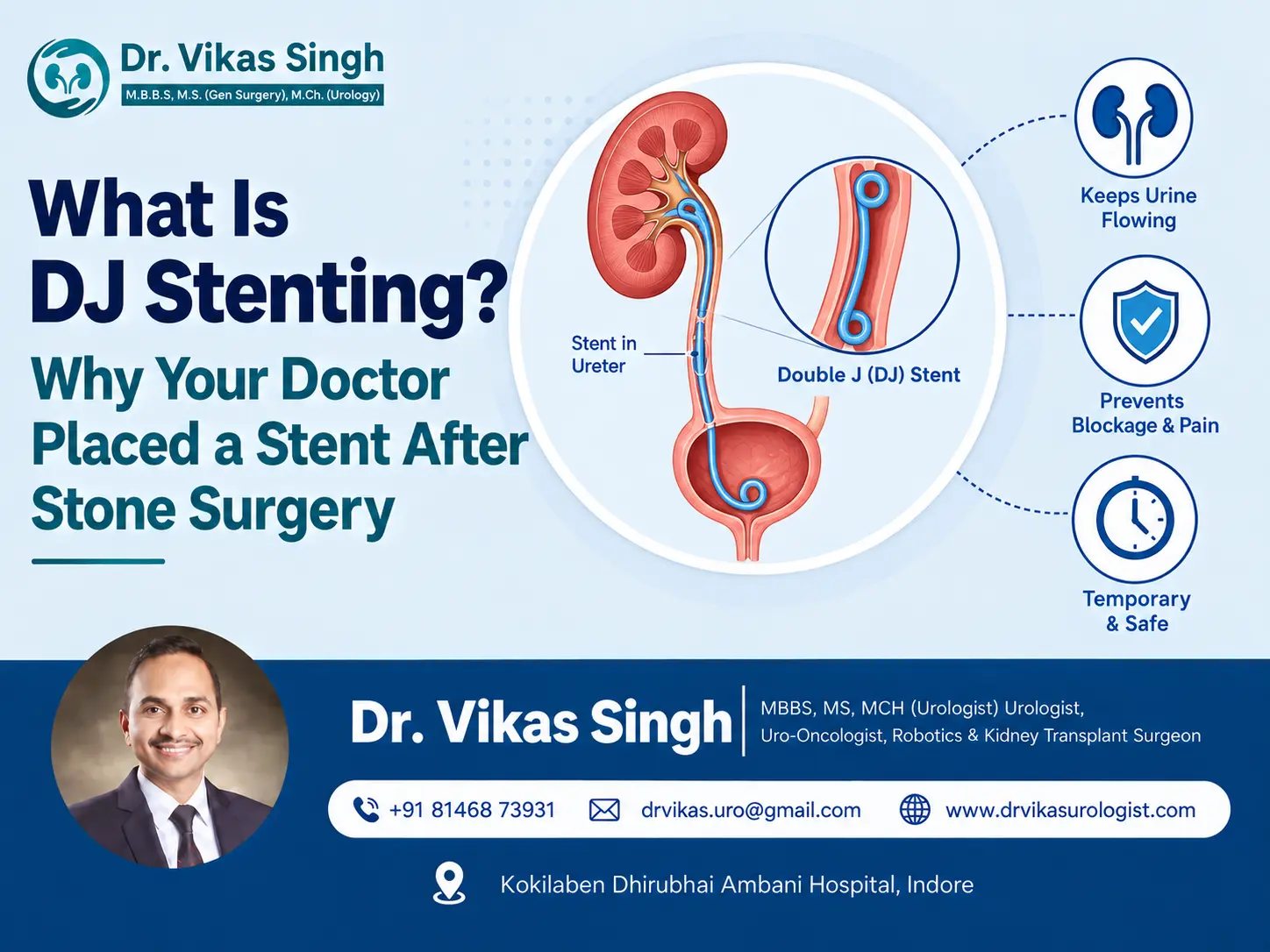
Recovery Tips After Kidney Stone Surgery in Indore
Regardless of whether you had RIRS, PCNL, or Laser URSL, these recovery tips will help you heal faster:
- Drink 2.5 to 3 litres of water daily to flush out any remaining stone particles
- Avoid high-oxalate foods such as spinach, nuts, and tea for the first few weeks
- Take all prescribed medicines, including antibiotics and pain relief, on time
- Avoid heavy lifting or strenuous activity for at least 5 to 7 days post-surgery
- Attend follow-up consultations with your doctor for ultrasound review and stent removal, if applicable
- Watch for warning signs such as fever, reduced urine output, or increasing pain, and contact your doctor immediately
How to Prevent Kidney Stones from Forming Again
After your kidney stone laser surgery in Indore, the focus shifts to prevention. Studies show that without dietary changes, there is a 50% chance of recurrence within 10 years.
- Drink adequate water throughout the day, especially in hot weather
- Reduce sodium and animal protein intake
- Eat calcium-rich foods, but avoid calcium supplements unless advised by your doctor
- Maintain a healthy body weight
- Get a 24-hour urine test to understand your specific stone-forming risk
Your doctor can also recommend a metabolic evaluation to find the root cause of your stone formation and prescribe medications if needed.
Frequently Asked Questions About Kidney Stone Treatment in Indore
1. What is the best treatment for kidney stones in Indore?
The best treatment for kidney stones in Indore depends on the size and location of the stone. Small ureteric stones are treated with laser URSL. Stones inside the kidney up to 2 cm are treated with RIRS. Larger stones above 2 cm are best treated with PCNL. Your kidney stone specialist in Indore will guide you after reviewing your scan reports.
2. Is RIRS painful?
No. RIRS is performed under general or spinal anesthesia, so you feel no pain during the procedure. After surgery, mild discomfort or a stinging sensation while urinating is normal for 2 to 3 days. Adequate pain medication is prescribed to manage this.
3. How long does recovery take after PCNL?
Most patients recover from PCNL within 5 to 7 days. You may need to stay in the hospital for 2 to 3 days. Light activities can be resumed after 1 week, while heavy lifting should be avoided for 3 to 4 weeks.
4. Is laser surgery for kidney stones safe?
Yes. Kidney stone laser surgery in Indore using RIRS or Laser URSL is very safe. The laser energy is precisely targeted at the stone. The risk of damage to surrounding tissue is extremely low when performed by an experienced urologist and kidney stone specialist in Indore.
5. Can kidney stones come back after treatment?
Yes, without lifestyle changes, kidney stones can recur. Studies show a recurrence rate of about 50% within 10 years. Drinking plenty of water, reducing salt intake, and following dietary advice from your kidney stone doctor in Indore significantly reduces this risk.
6. What is the difference between a urologist and a nephrologist for kidney stones?
A urologist performs procedures to physically remove the stone using techniques like RIRS, PCNL, or laser URSL. A nephrologist manages kidney function and medical conditions that cause stone formation. For active kidney stones requiring removal, you should see a doctor for kidney stone treatment in Indore who specialises in urology.
7. How do I know which doctor to choose for kidney stone treatment in Indore?
Look for the best kidney stone doctor in Indore who has specific training in ureteroscopy and laser stone surgery. Check their experience with RIRS and PCNL procedures. A kidney stone specialist doctor in Indore who uses modern laser technology and has a dedicated urology unit will offer you the most comprehensive care.
8. What is the cost of kidney stone treatment in Indore?
The cost varies depending on the type of procedure, hospital charges, and diagnostic tests. Laser URSL tends to be more affordable than PCNL due to a shorter hospital stay. For an accurate estimate and to understand insurance coverage, contact Dr. Vikar’s clinic directly for a personalised consultation.
Conclusion
Choosing the right kidney stone treatment in Indore does not have to be confusing. Whether you need RIRS for a kidney stone, PCNL for a larger stone, or Laser URSL for a ureteric stone, each procedure is safe, effective, and minimally invasive. The key is getting the right diagnosis from an experienced kidney stone specialist in Indore who can review your scans and recommend the best option for your specific condition. Do not ignore the pain or delay treatment. Early action protects your kidney health long term. Contact Dr. Vikar today and take the first step toward a pain-free life.