
If you are asking what is the best treatment for prostate cancer, the honest answer is that there is no single best option for everyone. The right treatment depends on the cancer’s stage and grade, your age, your general health, and what matters most to you.
For low-risk cancer, careful monitoring may be all that is needed. For localised cancer, surgery and radiation both offer high cure rates, while advanced cancer is controlled with hormone therapy and other medicines. This guide compares every option so you can choose confidently with a trusted urologist in Indore.
Understanding Prostate Cancer Before Choosing Treatment
Prostate cancer is a growth of abnormal cells in the prostate, a small gland that helps make semen. Many prostate cancers grow slowly, which is why the best treatment for prostate cancer varies so much from man to man.
Doctors describe your cancer using three key measures:
• Stage: how far the cancer has spread, from confined to the prostate to advanced
• Grade (Gleason score or Grade Group): how aggressive the cells look
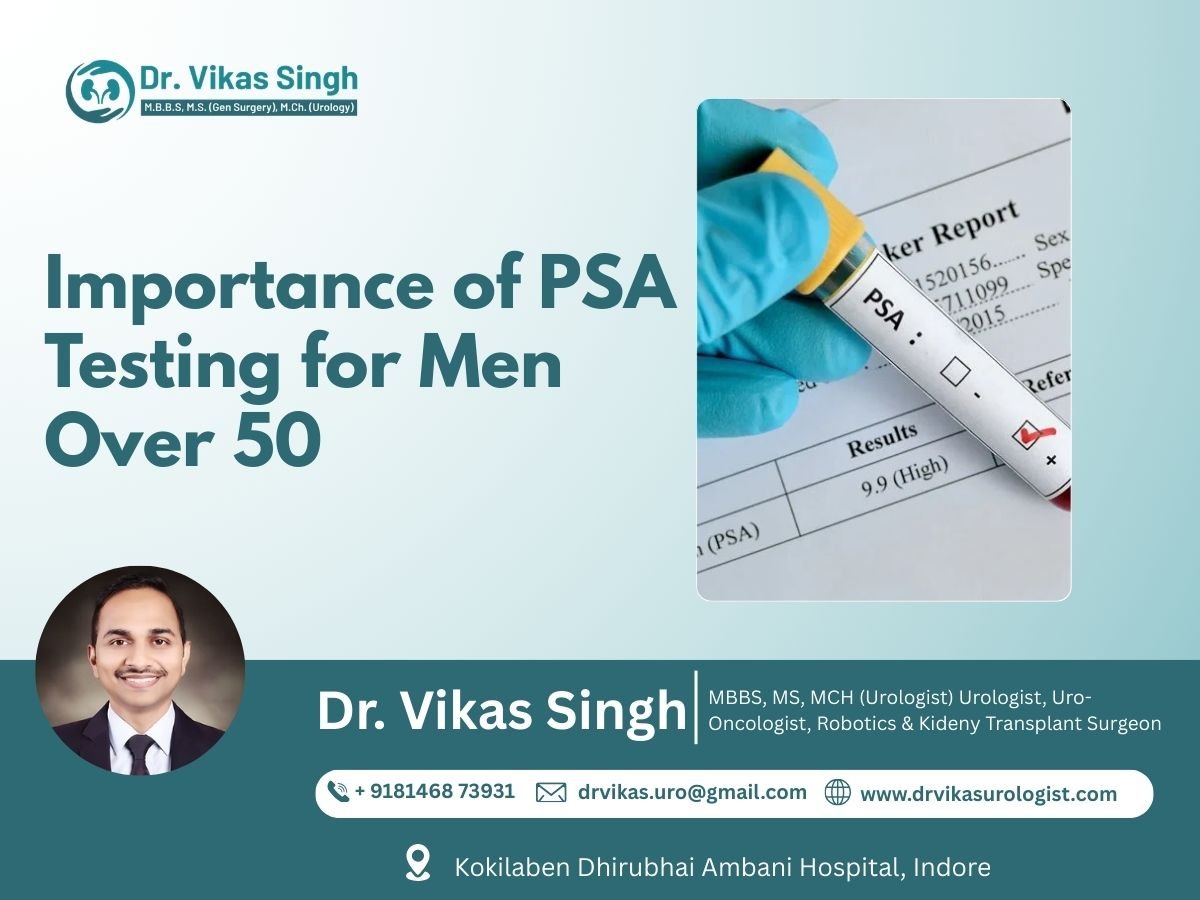
• PSA level: a blood marker that helps track the cancer
Together these decide your risk group, which guides the whole treatment plan.
What Is the Best Treatment for Prostate Cancer? It Depends on Risk
There is no one-size-fits-all cure. Instead, your specialist matches the treatment to your risk group and health. The table below compares the main prostate cancer treatment options at a glance.
| Treatment | How it works | Often best suited for |
| Active surveillance | Careful monitoring with regular PSA tests, scans, and biopsies; treatment starts only if the cancer grows | Low-risk, slow-growing, early cancer |
| Surgery (radical prostatectomy) | Removes the whole prostate, often with robotic or keyhole techniques | Localised cancer in men fit for surgery |
| Radiation therapy | External beam radiation or internal seeds (brachytherapy) destroy cancer cells | Localised or locally advanced cancer |
| Hormone therapy | Lowers testosterone to slow or shrink the cancer | Advanced cancer, or combined with radiation |
| Chemotherapy / advanced drugs | Medicines that target cancer that has spread | Advanced or metastatic prostate cancer |
Active Surveillance: When Watching Is the Best Choice
For low-risk, slow-growing cancer, active surveillance is often the smartest option. Instead of immediate treatment, your team monitors the cancer with regular PSA tests, scans, and occasional biopsies.
This approach avoids the side effects of surgery or radiation while the cancer stays quiet. Treatment begins only if signs show the cancer is becoming more active.
Surgery: Radical Prostatectomy
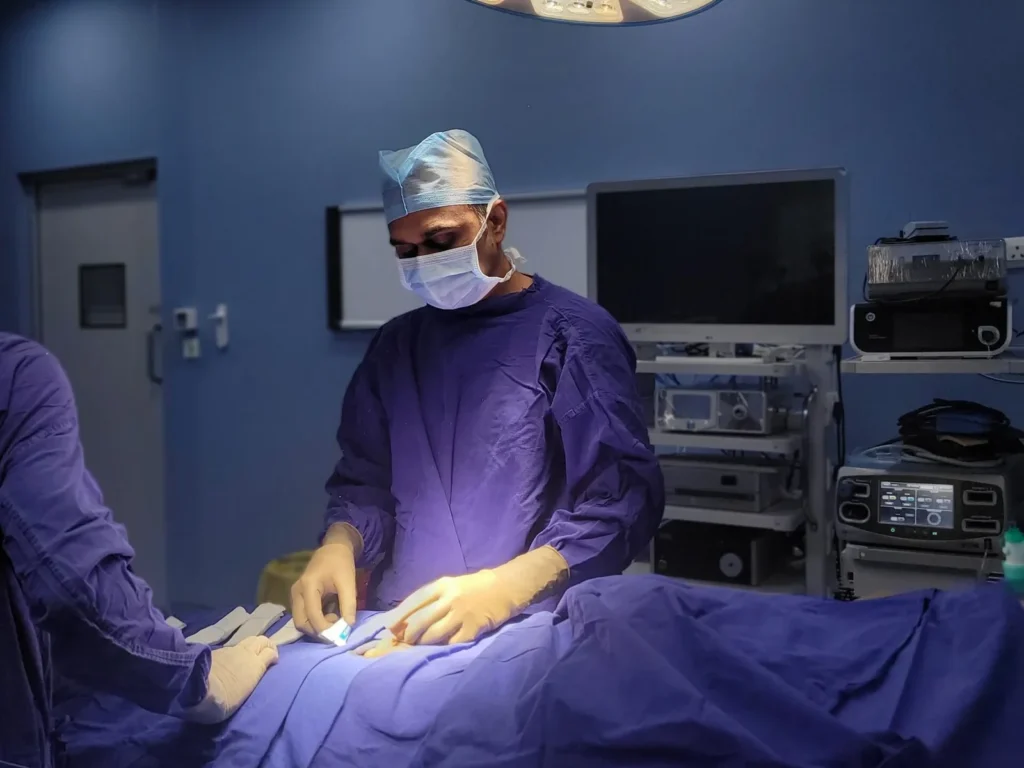
Surgery removes the entire prostate and is a common cure for cancer that is still confined to the gland. Many centres use robotic or keyhole techniques, which can mean smaller cuts and a faster recovery.
Surgery is often best for younger, fitter men who prefer to remove the cancer completely. Possible side effects include temporary urinary leakage and erection changes, which often improve with time and support.
Radiation Therapy
Radiation destroys cancer cells using focused energy, either from outside the body (external beam) or from tiny seeds placed inside the prostate (brachytherapy). Cure rates for localised cancer are similar to surgery.
Radiation suits men who prefer to avoid an operation or who are less fit for surgery. Side effects can include bowel and urinary irritation, and it is sometimes combined with hormone therapy.
Hormone Therapy and Advanced Treatments
Prostate cancer usually needs testosterone to grow, so hormone therapy lowers this hormone to slow or shrink the cancer. It is often used for advanced cancer or alongside radiation.
When cancer has spread, hormone therapy, chemotherapy, and newer targeted drugs can control it well for many years. The aim shifts from cure to keeping you healthy and comfortable for as long as possible.
Best Treatment for Early-Stage vs Advanced Prostate Cancer
Stage changes the goal of treatment. Early, localised cancer is usually treated for cure with surgery, radiation, or surveillance.
Advanced or spread cancer is treated to control growth and protect quality of life, mainly with hormone therapy and other medicines. Knowing your stage is the first step to the right plan.
How Doctors Choose the Best Treatment: A Simple Checklist
Before your appointment, it helps to know the factors your urologist will weigh. The best treatment for prostate cancer is chosen by balancing:
• The stage, Gleason grade, and PSA level of your cancer
• Your age and overall health and fitness for surgery
• The likely benefits versus the side effects of each option
• Your personal priorities, such as urinary control and sexual function
• A shared discussion between you, your urologist, and the cancer team
Bringing your questions and priorities to the consultation leads to a clearer, shared decision.
Side Effects and Quality of Life
Every treatment has trade-offs, and knowing them helps you plan. Surgery can affect urinary control and erections early on, while radiation may cause bowel or urinary irritation over time.
The good news is that most side effects can be managed, and support such as pelvic floor exercises, medication, and counselling makes a real difference to recovery and confidence.
Why Early Diagnosis Improves Treatment Outcomes
The earlier prostate cancer is found, the more treatment choices you have and the higher the chance of a cure. Cancer caught while still inside the prostate can often be removed or destroyed completely.
This is why regular PSA checks and prompt review of urinary symptoms matter, especially for men over 50 or those with a family history. Early diagnosis keeps gentle options like active surveillance on the table.
Lifestyle Support During Prostate Cancer Treatment
Alongside medical treatment, healthy habits help your body cope and recover. Simple steps can improve energy, mood, and overall wellbeing during care:
• Eat a balanced diet rich in vegetables, fruit, and whole grains
• Stay active with regular, gentle exercise as advised
• Do pelvic floor exercises to support urinary control
• Limit alcohol, stop smoking, and manage stress
• Keep every follow-up appointment and PSA test
Prostate Cancer Treatment in Indore
Choosing an experienced specialist matters as much as choosing the treatment. Dr. Vikas Singh (MBBS, MS, MCh) is a urologist and uro-oncologist in Indore who diagnoses prostate cancer and guides you through surgery, radiation referral, and hormone therapy.
Explore related guidance:
Prostate cancer stages & treatment
Symptoms of prostate cancer in men over 50
Book Your Prostate Cancer Consultation in Indore Today
Worried about a raised PSA or a prostate cancer diagnosis? The best treatment for prostate cancer starts with an accurate diagnosis and a clear plan. Dr. Vikas Singh, a leading urologist and uro-oncologist in Indore, will explain every option in plain language and guide you to the right choice. Call +91 81468 73931 or book your appointment online today.
Frequently Asked Questions
1. What is the most effective treatment for prostate cancer?
There is no single most effective treatment for every man. For localised prostate cancer, surgery and radiation both offer high cure rates, while low-risk cancer may only need active surveillance. The best option depends on the cancer’s stage and grade, your age, and your health.
2. Can prostate cancer be cured completely?
Yes, when found early. Prostate cancer that is still confined to the prostate is often curable with surgery or radiation. Even advanced prostate cancer can usually be controlled well for many years with hormone therapy and other treatments.
3. Is surgery or radiation better for prostate cancer?
Both offer similar cure rates for localised prostate cancer, but their side effects differ. Surgery may affect urinary control and erections early on, while radiation can cause bowel and urinary irritation over time. The right choice depends on your case and your preferences.