
Kidney stones are one of the most common urological problems affecting people of all ages. While some stones remain small and pass naturally, others can cause severe pain and complications if left untreated. Recognising the early signs of kidney stones can help you seek timely treatment and avoid serious health issues.
Many patients ignore mild symptoms, assuming they are due to digestive problems, muscle pain, or dehydration. However, early diagnosis and treatment can prevent kidney damage and reduce the need for emergency procedures.
If you notice persistent urinary symptoms or sudden pain in your back or abdomen, consulting a kidney stone doctor Indore can help identify the problem before it becomes severe.
What Are Kidney Stones?
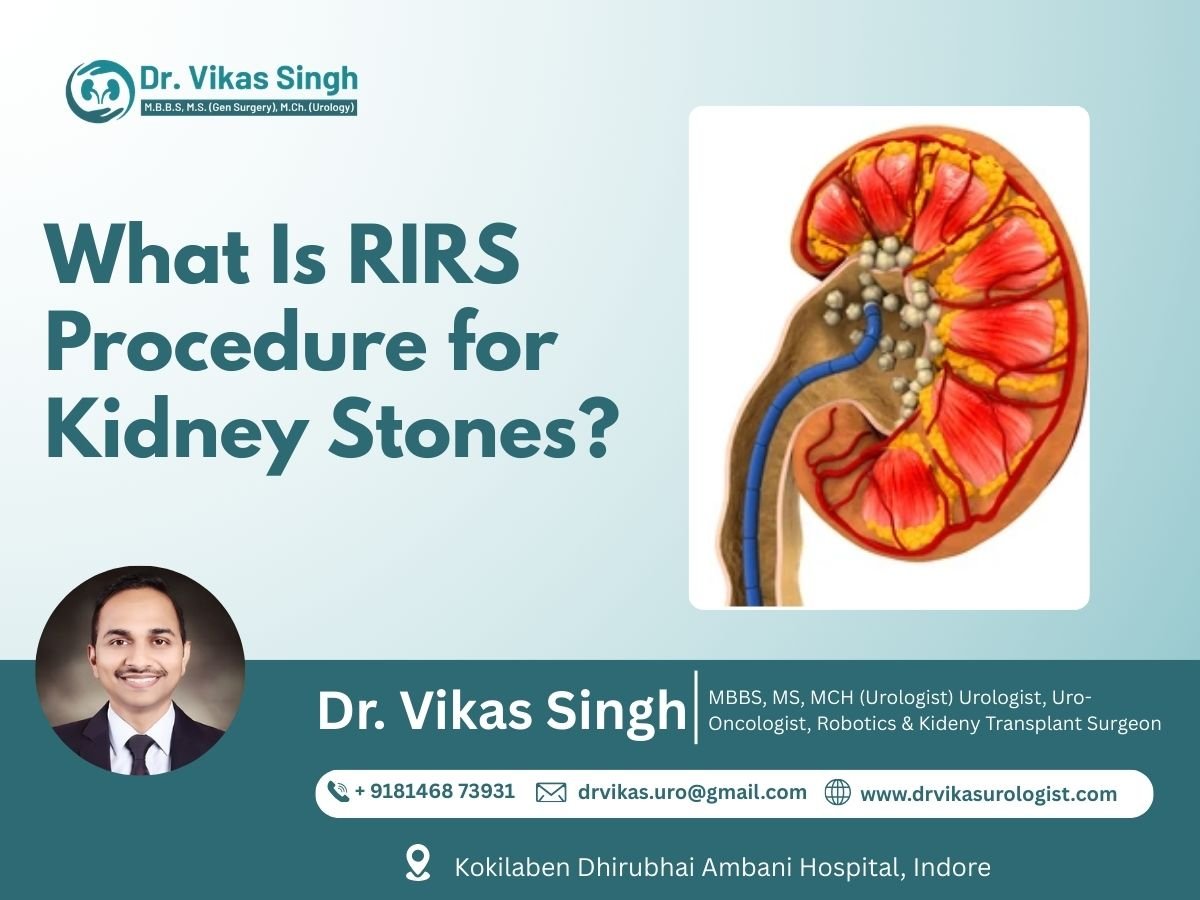
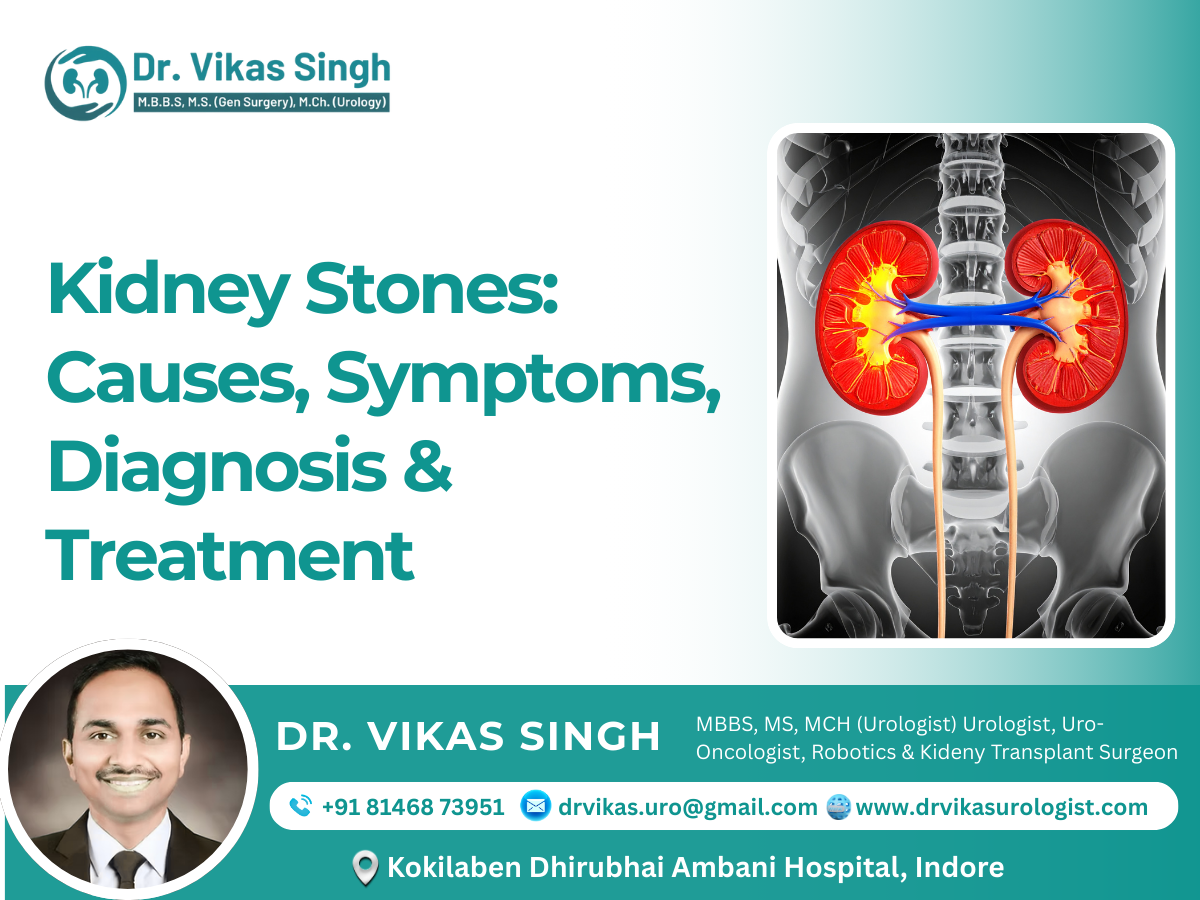
Kidney stones are hard deposits made of minerals and salts that form inside the kidneys. They develop when urine becomes concentrated, allowing minerals to crystallise and stick together.
Kidney stones can vary in size. Some are as small as grains of sand, while others can become large enough to block the urinary tract.
The most common types of kidney stones include:
- Calcium stones
- Uric acid stones
- Struvite stones
- Cystine stones
Understanding the Early Signs of Kidney Stones can help you identify the condition before complications develop.
Why Is Early Detection Important?
Kidney stones often begin with mild symptoms that gradually worsen. Ignoring these signs may lead to:
- Severe pain
- Urinary blockage
- Kidney infection
- Kidney damage
- Emergency hospitalization
Seeking kidney stones treatment in indore at an early stage can lead to quicker recovery and less invasive treatment.
10 Early Signs of Kidney Stones You Should Not Ignore
1. Pain in the Side or Lower Back
One of the earliest and most common symptoms is pain in the side or lower back.
The pain may:
- Come and go
- Be sharp or dull
- Affect one side of the body
- Increase in intensity over time
This pain occurs when the stone starts moving inside the kidney or ureter.
2. Pain That Radiates to the Lower Abdomen or Groin
As the stone travels through the urinary tract, the pain often moves.
You may experience:
- Lower abdominal pain
- Groin discomfort
- Pain that changes location
This shifting pain is a classic symptom of kidney stones.
3. Burning Sensation During Urination
A burning sensation while urinating may occur when the stone reaches the lower urinary tract.
This symptom is often confused with a urinary tract infection. However, it can be one of the important Early Signs of Kidney Stones.
4. Frequent Urination
Needing to urinate more often than usual can indicate irritation caused by a kidney stone.
You may notice:
- Frequent bathroom visits
- Sudden urge to urinate
- Small amounts of urine passed each time
Persistent urinary frequency should be evaluated by a doctor for kidney stone treatment in indore.
5. Blood in the Urine
Blood in the urine is a warning sign that should never be ignored.
The urine may appear:
- Pink
- Red
- Brown
- Rust-colored
Even microscopic bleeding can occur when a stone irritates the urinary tract.
6. Cloudy or Foul-Smelling Urine
Changes in urine appearance or odor can indicate irritation or infection caused by kidney stones.
Cloudy urine may suggest:
- Infection
- Inflammation
- Obstruction
Medical evaluation is recommended if these symptoms persist.
7. Nausea and Vomiting
Many people are surprised to learn that kidney stones can cause stomach symptoms.
The kidneys and digestive system share nerve connections, which is why severe stone pain may trigger:
- Nausea
- Vomiting
- Loss of appetite
These symptoms often occur along with intense pain.
8. Difficulty Passing Urine
A larger stone may partially block the urinary tract.
Symptoms may include:
- Weak urine stream
- Difficulty starting urination
- Reduced urine output
This situation requires prompt medical attention.
9. Fever and Chills
Fever and chills can indicate a serious infection associated with a kidney stone.
This is considered a medical emergency because infection combined with urinary blockage can damage the kidneys.
Seek immediate care if you have:
- Fever
- Chills
- Severe pain
- Vomiting
10. Severe Waves of Pain (Renal Colic)
Kidney stone pain often comes in waves and may become extremely intense.
The pain can:
- Start suddenly
- Increase and decrease
- Make it difficult to sit still
- Cause sweating and restlessness
This is one of the most recognizable Early Signs of Kidney Stones and often prompts patients to seek emergency care.
Who Is More Likely to Develop Kidney Stones?
Certain factors increase the risk of kidney stones.
Common risk factors include:
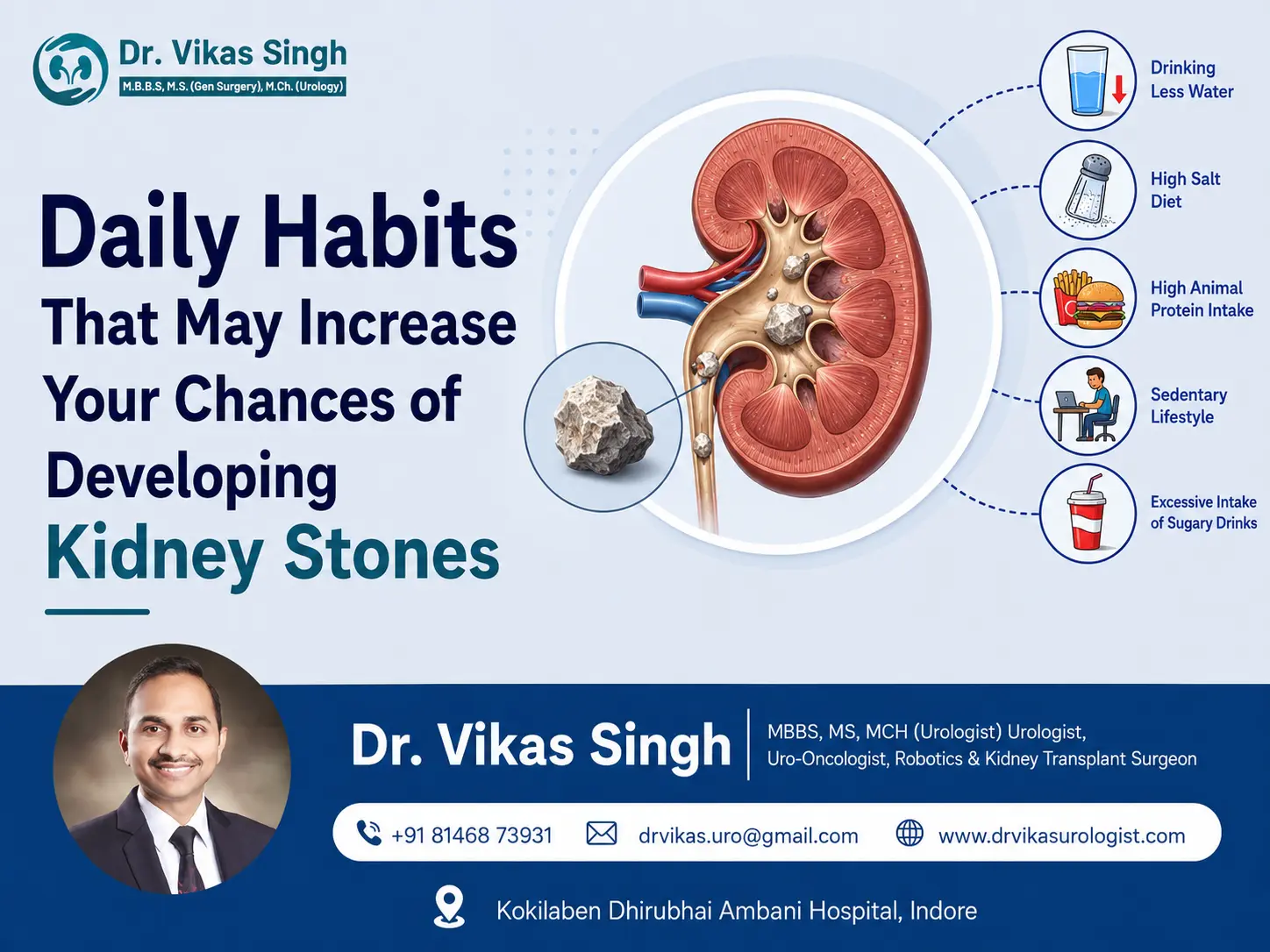
- Dehydration
- High salt intake
- Family history
- Obesity
- Diabetes
- Frequent urinary infections
- Diet high in animal protein
Understanding your risk factors can help prevent future stone formation.
When Should You See a Doctor?
You should seek medical attention if you experience:
- Severe back or side pain
- Blood in urine
- Fever and chills
- Difficulty passing urine
- Persistent nausea or vomiting
Early consultation with a urologist kidney stone specialist indore can prevent complications and preserve kidney function.
How Are Kidney Stones Diagnosed?
Your doctor may recommend:
- Physical examination
- Urine tests
- Blood tests
- Ultrasound
- CT scan
Accurate diagnosis helps determine the size, location, and type of kidney stone.
Treatment Options for Kidney Stones
Treatment depends on the size and location of the stone.
Small Stones
Treatment may include:
- Drinking plenty of water
- Pain medications
- Medicines to help pass the stone
Larger Stones
More advanced treatment may be needed, including:
- Shock wave therapy
- Ureteroscopy
- Kidney stone laser surgery indore
- Surgical procedures
Patients with larger or complicated stones often benefit from advanced minimally invasive treatments.
How to Prevent Kidney Stones
Preventive measures can significantly reduce your risk.
Helpful tips include:
- Drink enough water every day
- Reduce salt intake
- Limit sugary drinks
- Eat a balanced diet
- Maintain a healthy weight
- Avoid excessive animal protein
Your kidney stone specialist indore can also recommend dietary changes based on the type of stone you have.
Lifestyle Habits That Support Kidney Health
Simple daily habits can make a big difference:
- Stay physically active
- Avoid dehydration
- Do not ignore urinary symptoms
- Attend regular health checkups
- Follow your doctor’s advice after treatment
Prevention is always easier than treatment.
Frequently Asked Questions
1. What is usually the first symptom of a kidney stone?
The first symptom is often pain in the side or lower back that may come and go and gradually become more severe.
2. Can kidney stones cause frequent urination?
Yes. Kidney stones can irritate the urinary tract and create a frequent urge to urinate.
3. When should I go to the hospital for a kidney stone?
You should seek immediate medical care if you experience severe pain, fever, vomiting, or difficulty passing urine.
Conclusion
Recognizing the Early Signs of Kidney Stones can make a significant difference in preventing complications and ensuring faster recovery. Symptoms such as back pain, blood in urine, burning urination, nausea, and fever should never be ignored.
Early diagnosis allows for effective treatment and can often prevent the need for more invasive procedures. If you notice any symptoms of kidney stones, consulting a kidney stone doctor Indore or urologist kidney stone specialist indore is the best step toward protecting your kidney health.
Book an Appointment Today
Dr. Vikas Singh offers advanced diagnosis and personalized kidney stones treatment in indore, including minimally invasive procedures and kidney stone laser surgery indore. Schedule your consultation today for expert care and long-term kidney health.