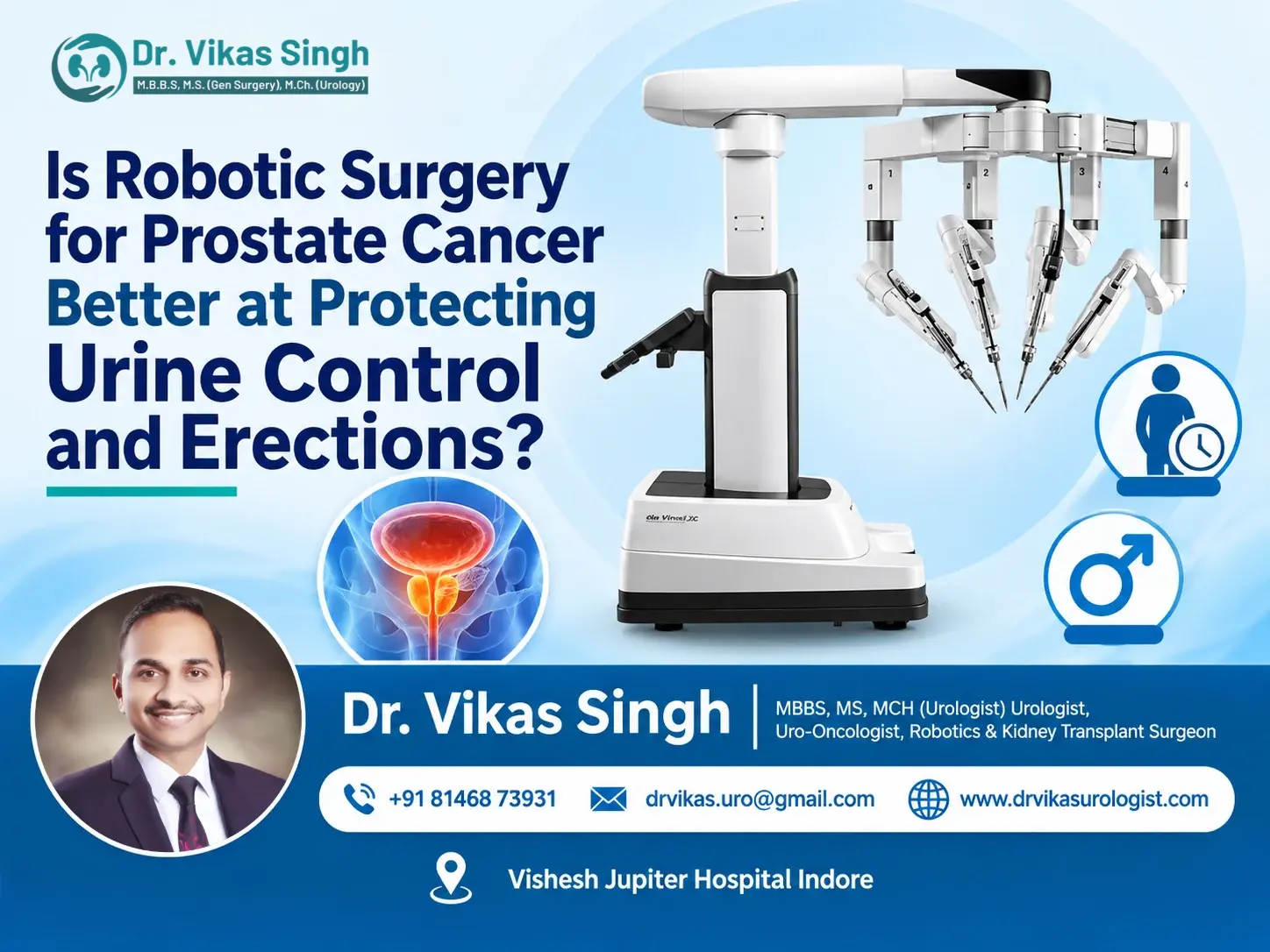
When you are facing prostate cancer surgery, two worries usually top the list: staying dry and keeping erections. So it is fair to ask, is robotic surgery for prostate cancer better at protecting both? The honest answer is that robotic surgery offers real advantages, but studies have not shown it automatically gives better urine control or erection recovery than skilled open surgery.
What matters most is your cancer, your health before surgery, and your surgeon’s experience. This guide explains what the robot does well, what the evidence shows, and how to make a confident decision.
Is Robotic Surgery for Prostate Cancer Better?
Robotic surgery is better in several practical ways: smaller cuts, less blood loss, less pain, and usually a shorter hospital stay. These benefits are well recognized.
For long-term urine control and erections, however, trials comparing robotic and open surgery have generally found similar results. The robot is a tool, and outcomes depend heavily on the surgeon using it.
What Is Robotic Prostate Cancer Surgery?
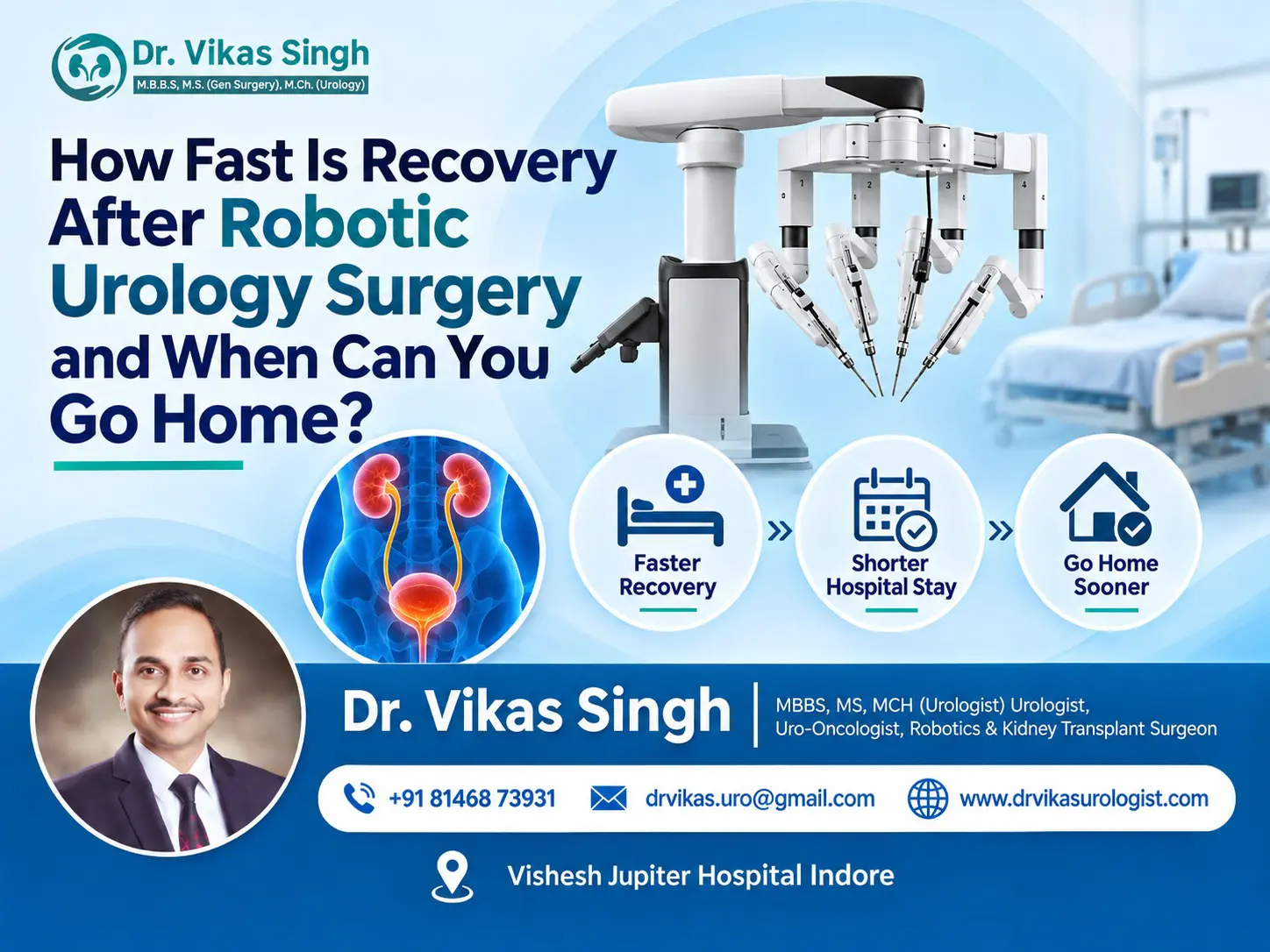
In robotic radical prostatectomy, the surgeon removes the prostate through several small keyhole cuts while seated at a console. The robotic arms hold tiny instruments that copy the surgeon’s hand movements with great precision.
A robotic prostate cancer surgeon works with a magnified, three-dimensional view of the area. The robot does not operate on its own; the surgeon controls every movement.
How Robotic Surgery Is Designed to Protect Urine Control and Erections
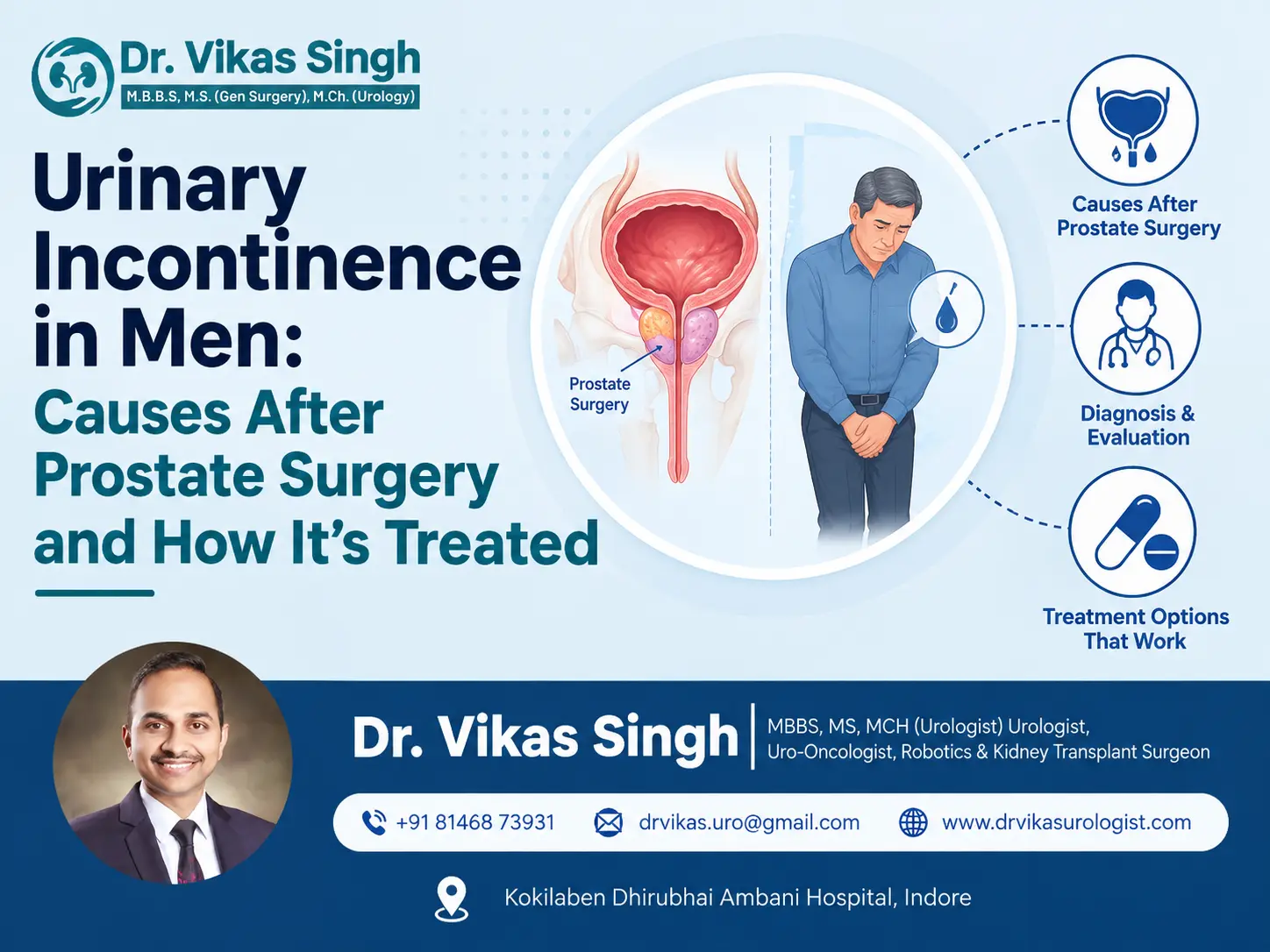
Two structures sit right next to the prostate: the urinary sphincter that holds urine in, and delicate nerve bundles that trigger erections. Protecting them while removing all the cancer is the central challenge of the operation.
Robotic technology helps in several ways:
- A magnified 3D view makes tiny nerves and muscle fibers easier to see.
- Wristed instruments move more freely than standard tools in a narrow pelvis.
- Steadier hands reduce tremor during delicate dissection.
- Less bleeding keeps the surgical field clear, which supports careful nerve-sparing.
Is Robotic Surgery for Prostate Cancer Better Than Open Surgery? What the Evidence Shows
Randomised studies that compared robotic and open prostate removal have found broadly similar results for cancer control, urinary leakage, and erectile function over the long run. In other words, the approach itself does not guarantee a better functional outcome.
What the robot does improve is the surgical experience. Patients typically lose less blood, need fewer transfusions, and go home sooner. An experienced urologist in Indore will explain these trade-offs honestly instead of promising results no surgery can guarantee.
Robotic vs Open Prostate Surgery: A Side-by-Side Comparison
| Factor | Robotic Surgery | Open Surgery |
| Incision | Several small keyhole cuts | One larger cut in the lower abdomen |
| Blood loss | Usually lower | Usually higher |
| Hospital stay | Often shorter | Often longer |
| Pain after surgery | Usually less | Usually more |
| Surgeon’s view | Magnified 3D view | Direct view through a larger opening |
| Cancer control | Similar when done by experienced surgeons | Similar when done by experienced surgeons |
| Urine control and erections | Similar long-term in most studies | Similar long-term in most studies |
What Really Decides Your Urine Control and Erection Outcomes
Several factors influence how well you recover function, and most of them have nothing to do with the type of surgery:
- Surgeon experience: higher case volume is linked to better results.
- Cancer stage and location: tumors near the nerves may make full nerve-sparing unsafe.
- Your age and general health before surgery.
- Erectile function and urinary control before the operation.
- Prostate size and body build.
- Pelvic floor exercises started before and after surgery.
Recovery Timeline: Urine Control and Erections
Some leakage right after surgery is normal, because the catheter, swelling, and temporary sphincter weakness all play a part. Most men see steady improvement over the first several months, with continued gains up to about a year.
Erections usually take longer to return, because nerves heal slowly. Recovery can continue for up to two years, and medicines or other treatments can help along the way. Individual results vary widely.
Who Is a Good Candidate for Robotic Prostate Surgery?
Robotic surgery suits many men with prostate cancer that is confined to the gland or only slightly beyond it. Some conditions need extra planning, such as previous pelvic surgery or very large prostates.
A robotic urology specialist will review your biopsy, PSA level, MRI findings, and overall health before recommending the safest approach. Some men do better with radiation or active surveillance, and an honest surgeon will say so.
Questions to Ask Before You Choose Surgery
Walking into your consultation with clear questions leads to better decisions. Consider asking:
- Is my cancer suitable for nerve-sparing surgery?
- How many robotic prostatectomies have you performed?
- What are your typical results for urine control and erections?
- What if the cancer is found to be more advanced during surgery?
- What rehabilitation will I need afterward?
Why Surgeon Experience Matters More Than the Robot
The robot is only as good as the hands guiding it. People searching for the best robotic prostate surgeon should focus on training, case volume, and honest communication, rather than on technology alone.
An experienced surgeon knows when to spare the nerves, when to be more aggressive, and how to manage complications, and that judgment shapes your outcome far more than the machine.
When to See a Urologist About Prostate Cancer Treatment
If you have a raised PSA, an abnormal biopsy, or a new prostate cancer diagnosis, early consultation lets you compare surgery, radiation, and monitoring calmly. A urologist doctor in Indore can review your reports and explain every option without pressure.
Robotic Prostate Cancer Surgery in Indore: Why Choose Dr. Vikas Singh
Dr. Vikas Singh (MBBS, MS, MCh) is a urologist, uro-oncologist, and robotic surgeon, widely regarded as the best urologist in Indore. Many patients also know him as a famous urologist in Indore for his careful, honest approach to cancer care.
He explains the evidence plainly, including where robotic surgery helps and where it does not, so that you can choose with confidence. Your plan is built around your cancer, your priorities, and the function you most want to protect.
Book Your Prostate Cancer Consultation in Indore
| Diagnosed with prostate cancer and weighing your options? Get a clear, honest second opinion from Dr. Vikas Singh, regarded as the best urologist in Indore for robotic and advanced prostate cancer care. Call +91 81468 73931 or book your appointment online today. |
Frequently Asked Questions
1. Is robotic prostate surgery better than open surgery?
Robotic surgery usually means smaller cuts, less blood loss, less pain, and a shorter hospital stay. Long-term cancer control and functional results are generally similar to open surgery, so surgeon experience matters most.
2. Does robotic prostatectomy cause incontinence or erectile dysfunction?
Some leakage and erection problems are common after any prostate removal, whether robotic or open. Most men improve over months, though erections can take up to two years, and results depend on cancer stage, nerve-sparing, and your health before surgery.
3. How long is recovery after robotic prostate surgery?
Most men leave the hospital within a day or two and return to light activity within a few weeks. The catheter usually stays for about one to two weeks, and full recovery of urine control and erections takes longer.