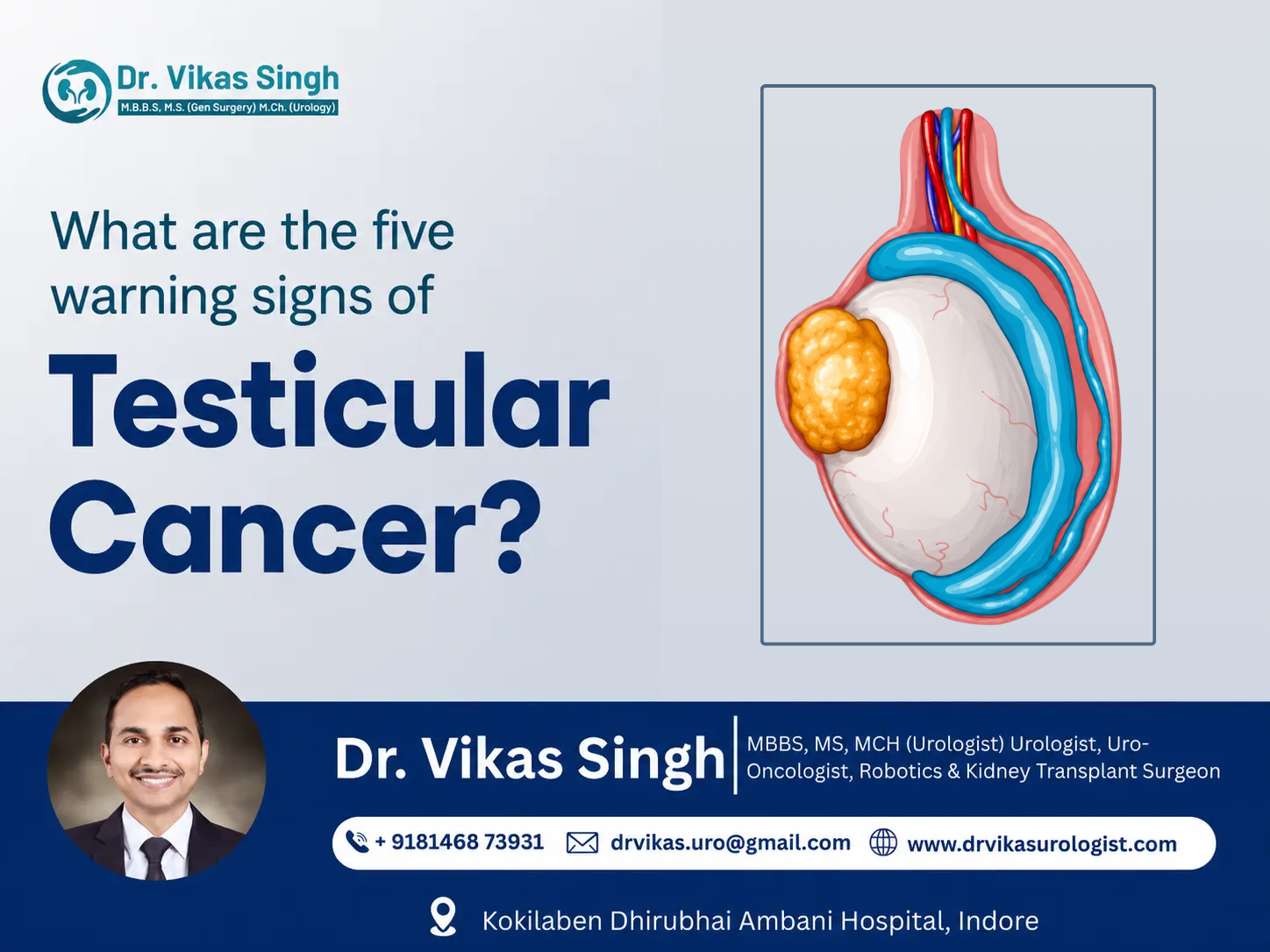
The signs of testicular cancer are often subtle and easy to ignore, especially because this cancer commonly affects younger and otherwise healthy men. Many people assume that a lump, swelling, or discomfort in the testicles is temporary and will go away on its own. However, early detection of testicular cancer significantly improves treatment outcomes and survival rates.
Testicular cancer is one of the most treatable cancers when diagnosed early. Knowing the warning signs and understanding when to seek medical attention can make a life-saving difference.
If you notice any unusual changes in your testicles, consulting a testicular cancer doctor indore promptly can help ensure timely diagnosis and effective treatment.
What Is Testicular Cancer?
Testicular cancer occurs when abnormal cells begin growing uncontrollably in one or both testicles. The testicles are part of the male reproductive system and are responsible for producing sperm and testosterone.
Although testicular cancer is relatively uncommon compared to other cancers, it is the most common cancer in young men between the ages of 15 and 45 years.
The encouraging news is that testicular cancer is highly curable, particularly when diagnosed at an early stage.
Why Recognising the Signs of Testicular Cancer Is Important
Many men delay seeking medical care because the symptoms are painless or seem minor. Unfortunately, postponing evaluation can allow the cancer to spread beyond the testicles.
Early diagnosis offers several advantages:
- Higher cure rates
- Less aggressive treatment
- Better preservation of fertility
- Faster recovery
- Lower risk of complications
Understanding the signs of testicular cancer can help men seek treatment before the disease progresses.
What Are the Five Warning Signs of Testicular Cancer?
1. A Painless Lump or Swelling in the Testicle
The most common early symptom is a painless lump or swelling in one of the testicles.
The lump may:
- Feel firm or hard
- Be as small as a pea
- Gradually increase in size
Because there is often no pain, many men ignore this symptom for weeks or months.
Any new lump in the testicle should be evaluated immediately.
2. A Feeling of Heaviness in the Scrotum
Many patients describe an unusual sensation of heaviness or fullness in the scrotum.
You may notice:
- A dragging sensation
- Increased weight on one side
- Mild discomfort while walking
This symptom can occur even before a lump becomes noticeable.
3. Change in the Size or Shape of a Testicle
A change in the appearance of one testicle is another important warning sign.
You may notice:
- Enlargement of one testicle
- Shrinkage of one testicle
- Uneven appearance
- Swelling without injury
Changes in testicular size should never be ignored.
This is one of the most overlooked signs of testicular cancer.
4. Dull Pain in the Lower Abdomen or Groin
Some men experience a persistent ache in the lower abdomen, pelvis, or groin.
The pain may:
- Be mild but continuous
- Come and go
- Feel like muscle strain
Although this symptom can have several causes, it may indicate a testicular problem that requires evaluation.
5. Pain or Discomfort in the Testicle
While many cases are painless, some men experience:
- Mild aching
- Tenderness
- Persistent discomfort
- Sudden pain in one testicle
Pain that lasts for several days should be assessed by a testicular cancer specialist indore.
Other Signs of Testicular Cancer That May Develop Later
If testicular cancer spreads, additional symptoms may occur.
These may include:
- Lower back pain
- Shortness of breath
- Chest pain
- Unexplained weight loss
- Fatigue
- Swollen lymph nodes
Advanced symptoms usually indicate that the cancer has spread beyond the testicle and requires prompt treatment.
Who Is at Higher Risk of Testicular Cancer?
Certain factors can increase the risk of developing testicular cancer.
Common risk factors include:
- Age between 15 and 45 years
- Family history of testicular cancer
- Previous history of testicular cancer
- Undescended testicle
- Certain genetic conditions
Having these risk factors does not mean you will develop cancer, but regular self-awareness is important.
How to Perform a Testicular Self-Examination
Regular self-examinations can help identify changes early.
Simple steps include:
- Perform the examination after a warm shower.
- Gently roll each testicle between your fingers.
- Look for lumps, swelling, or changes in size.
- Notice any heaviness or discomfort.
Early detection remains one of the best ways to improve outcomes.
How Are Signs of Testicular Cancer Diagnosed?
If testicular cancer is suspected, your doctor may recommend:
Physical Examination- Assessment of swelling, lumps, and tenderness.
Ultrasound- The most common imaging test used to evaluate the testicles.
Blood Tests- Tumor markers may help support the diagnosis.
CT Scan- Used to determine whether the cancer has spread.
These tests help your testicular cancer doctor indore develop an appropriate treatment plan.
Treatment Options for Testicular Cancer
Treatment depends on:
- Type of cancer
- Stage of disease
- Overall health
- Whether the cancer has spread
Common treatment options include:
Surgery- Removal of the affected testicle is often the first treatment.
Chemotherapy- Used when cancer has spread beyond the testicle.
Radiation Therapy- Primarily used for certain types of testicular cancer.
Active Surveillance- Some patients require careful monitoring after treatment.
Modern approaches to testicular cancer treatment indore provide excellent outcomes and high cure rates.
Can Testicular Cancer Be Cured?
Yes. Testicular cancer is one of the most curable forms of cancer.
The cure rate is particularly high when the disease is diagnosed early.
Even advanced cases often respond well to treatment.
This is why understanding the signs of testicular cancer and seeking timely medical care is so important.
Can Testicular Cancer Affect Fertility?
Some treatments may temporarily or permanently affect fertility.
Options such as sperm banking may be discussed before treatment begins.
Many men are still able to have children after successful treatment.
Your testicular cancer surgeon indore can guide you regarding fertility preservation options.
Living After Testicular Cancer Treatment
Most men return to normal lives after successful treatment.
Long-term follow-up may include:
- Regular physical examinations
- Blood tests
- Imaging studies
- Lifestyle modifications
Continued monitoring helps detect recurrence early and supports long-term health.
Frequently Asked Questions
1. What is usually the first sign of testicular cancer?
The most common first symptom is a painless lump or swelling in one of the testicles.
2. Does testicular cancer always cause pain?
No. Many men experience no pain at all, which is why regular self-examination is important.
3. Is testicular cancer curable?
Yes. Testicular cancer has one of the highest cure rates of all cancers, especially when detected early.
Conclusion
The signs of testicular cancer are often subtle, but early recognition can save lives. Symptoms such as a painless lump, heaviness in the scrotum, changes in testicle size, groin pain, and persistent discomfort should never be ignored.
Because testicular cancer commonly affects younger men, awareness and self-examination play a crucial role in early detection. Prompt diagnosis allows for highly effective treatment and excellent long-term outcomes.
If you notice any unusual changes or symptoms, consult a testicular cancer specialist indore or testicular cancer doctor indore for expert evaluation and personalized care.
Book an Appointment Today
Dr. Vikas Singh offers advanced diagnosis and comprehensive testicular cancer treatment indore, including minimally invasive surgery and long-term cancer care. Schedule your consultation today and take the first step toward better health and peace of mind.