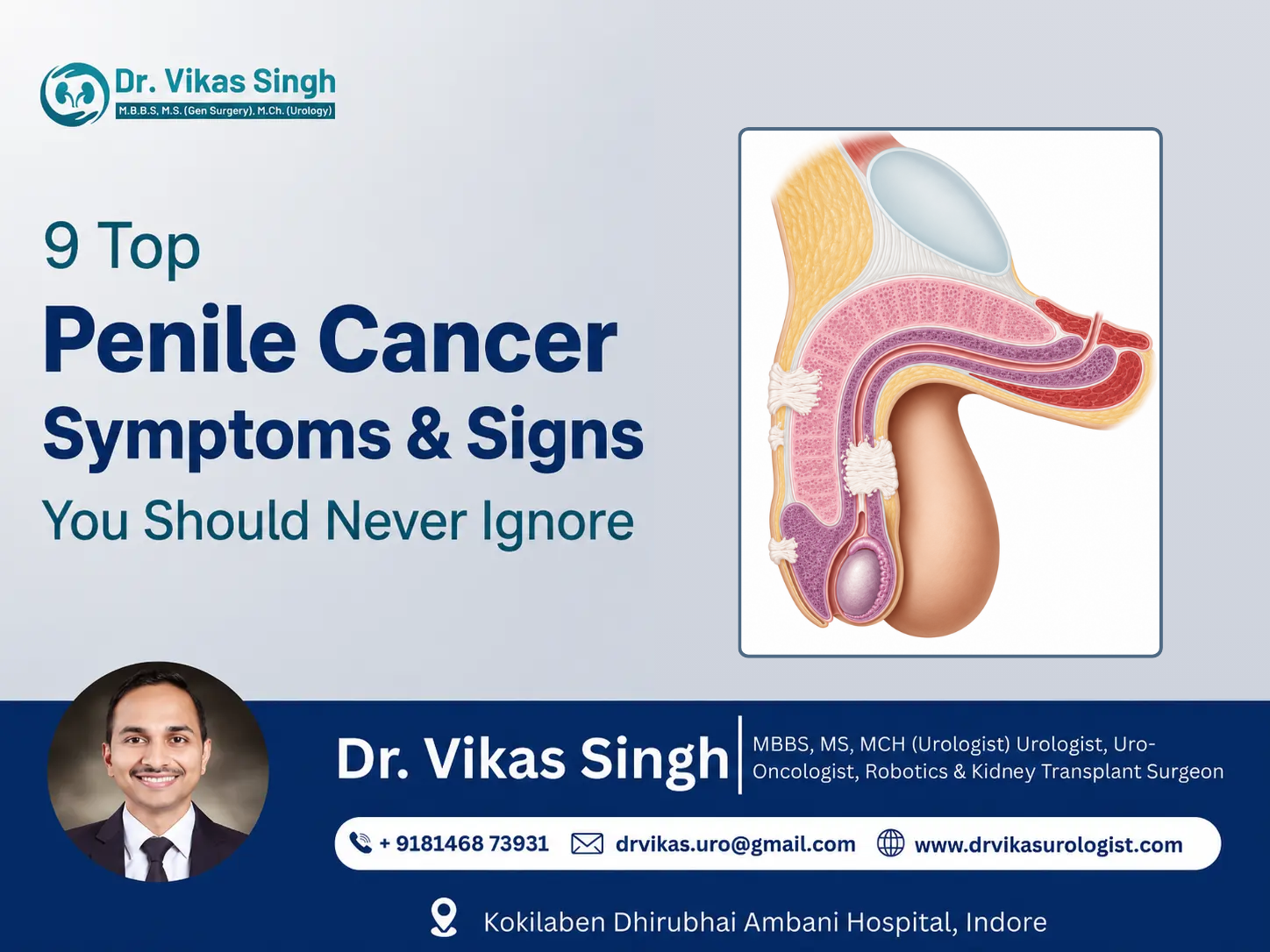
The phrase Penile Cancer Symptoms & Signs You Should Never Ignore may sound alarming, but awareness can save lives. Penile cancer is a rare form of cancer that develops in the tissues of the penis, most commonly affecting the skin or foreskin. Although it is uncommon, delaying diagnosis can make treatment more complicated and affect long-term outcomes.
Many early symptoms of penile cancer are painless and can easily be mistaken for infections, skin conditions, or minor injuries. Unfortunately, this often causes men to postpone seeking medical advice.
Understanding the warning signs and knowing when to consult a doctor can lead to earlier diagnosis, more treatment options, and better recovery rates. If you notice any unusual changes in your genital health, speaking with a penile cancer specialist indore is essential.
What Is Penile Cancer?
Penile cancer occurs when abnormal cells begin growing uncontrollably in the tissues of the penis. Most cases develop on the foreskin or the head of the penis, although cancer can affect other areas as well.
Several risk factors can increase the chances of developing penile cancer, including:
- Human papillomavirus (HPV) infection
- Smoking and tobacco use
- Poor genital hygiene
- Phimosis (tight foreskin)
- Increasing age
- Weakened immune system
The good news is that when diagnosed early, penile cancer is highly treatable.
Why Early Recognition of Penile Cancer Symptoms & Signs You Should Never Ignore Matters
Early detection plays a crucial role in successful treatment.
Recognizing the Penile Cancer Symptoms & Signs You Should Never Ignore can help:
- Improve survival rates
- Reduce the need for extensive surgery
- Preserve normal function
- Prevent the spread of cancer
- Improve quality of life
Ignoring symptoms can delay diagnosis and allow the disease to progress.
9 Top Penile Cancer Symptoms & Signs You Should Never Ignore
1. A Persistent Lump or Growth on the Penis
One of the most common early signs is the appearance of a lump or growth.
The lump may:
- Be painless
- Increase slowly in size
- Feel hard or irregular
- Develop on the foreskin or head of the penis
Any new growth that does not disappear should be evaluated by a penile cancer treatment doctor indore.
2. Changes in the Skin of the Penis
Changes in the skin may include:
- Thickening of the skin
- Redness
- Discoloration
- Velvety patches
Many men mistake these changes for simple skin irritation or infection.
Persistent skin changes should never be ignored.
3. A Sore or Ulcer That Does Not Heal
A non-healing sore is one of the important Penile Cancer Symptoms & Signs You Should Never Ignore.
The sore may:
- Bleed occasionally
- Become crusted
- Persist for several weeks
Any wound that does not heal requires medical attention.
4. Bleeding From the Penis
Unexpected bleeding from the penis can occur even in the absence of pain.
Bleeding may happen:
- From a sore or ulcer
- During cleaning
- During sexual activity
This symptom should always be evaluated promptly.
5. Foul-Smelling Discharge
A persistent discharge from under the foreskin can sometimes indicate infection, but it may also be associated with penile cancer.
The discharge may:
- Have an unpleasant odor
- Be yellow or blood-stained
- Persist despite treatment
This symptom should not be overlooked.
6. Thickening or Swelling of the Penis
Swelling can occur in the affected area and may gradually become more noticeable.
You may observe:
- Enlargement of a portion of the penis
- Thickened skin
- Localized swelling
Early evaluation by a best penile cancer doctor indore is important.
7. Pain or Tenderness in the Penis
Although many cases are painless initially, some men experience:
- Persistent discomfort
- Tenderness
- Pain during urination
- Pain during intercourse
Pain that continues without an obvious cause requires medical evaluation.
8. Difficulty Pulling Back the Foreskin
A condition called phimosis, where the foreskin becomes difficult to retract, can sometimes be associated with penile cancer.
Symptoms may include:
- Tight foreskin
- Pain during retraction
- Inflammation
- Difficulty cleaning the area
Persistent changes should be examined by a penile cancer surgeon indore.
9. Swollen Lymph Nodes in the Groin
As penile cancer progresses, it may spread to nearby lymph nodes.
You may notice:
- Swelling in the groin
- Firm lumps
- Tenderness
Enlarged lymph nodes should always be assessed, especially if other symptoms are present.
Other Symptoms of Penile Cancer
Additional symptoms that may occur include:
- Fatigue
- Unexplained weight loss
- Difficulty urinating
- Recurrent infections
- General weakness
These symptoms are usually seen in more advanced stages.
Who Is at Higher Risk of Developing Penile Cancer?
Certain factors can increase risk.
Common risk factors include:
- Smoking
- HPV infection
- Poor hygiene
- Multiple sexual partners
- Age over 50 years
- Weakened immunity
Understanding these risk factors can help promote early detection and prevention.
How Is Penile Cancer Diagnosed?
If penile cancer is suspected, your doctor may recommend:
Physical Examination
Assessment of skin changes and lesions.
Biopsy
A small tissue sample is removed and examined.
Imaging Tests
- Ultrasound
- CT scan
- MRI scan
Lymph Node Evaluation
To determine whether the cancer has spread.
Early diagnosis significantly improves treatment outcomes.
Treatment Options for Penile Cancer
Treatment depends on:
- Cancer stage
- Tumor size
- Location of the cancer
- Overall health
Common treatment options include:
Topical Treatments
Used in selected early cases.
Surgery
Removal of cancerous tissue while preserving as much healthy tissue as possible.
Laser Therapy
May be used for small superficial lesions.
Radiation Therapy
Used in specific situations.
Chemotherapy
May be necessary for advanced disease.
Patients seeking penile cancer treatment indore today benefit from advanced treatment approaches and improved outcomes.
Can Penile Cancer Be Prevented?
Although not all cases can be prevented, several steps may reduce risk.
Prevention Tips:
- Maintain good genital hygiene
- Avoid smoking
- Practice safe sex
- Seek treatment for foreskin problems
- Consider HPV vaccination where appropriate
- Attend regular health checkups
Early awareness remains one of the most effective preventive tools.
Life After Penile Cancer Treatment
Many men return to normal lives following successful treatment.
Long-term follow-up may include:
- Regular physical examinations
- Imaging tests
- Lifestyle modifications
- Monitoring for recurrence
Emotional support and counseling can also be helpful during recovery.
Frequently Asked Questions
1. What is usually the first sign of penile cancer?
A persistent lump, sore, or skin change on the penis is often one of the earliest signs.
2. Is penile cancer painful?
Not always. Many early cases are painless, which is why symptoms are often ignored.
3. Can penile cancer be cured?
Yes. When diagnosed early, penile cancer is highly treatable and often curable.
Conclusion
The Penile Cancer Symptoms & Signs You Should Never Ignore include persistent lumps, skin changes, non-healing sores, bleeding, foul-smelling discharge, swelling, pain, foreskin problems, and swollen lymph nodes.
Because many of these symptoms are painless in the early stages, men often delay seeking treatment. Early diagnosis can significantly improve treatment success and preserve quality of life.
If you notice any unusual changes in your genital health, consult a penile cancer specialist indore, penile cancer treatment doctor indore, or best penile cancer doctor indore for expert evaluation and personalized care.
Book an Appointment Today
Dr. Vikas Singh offers advanced diagnosis and comprehensive penile cancer treatment indore, including modern surgical and organ-preserving treatment options. Schedule your consultation today for expert care and peace of mind.