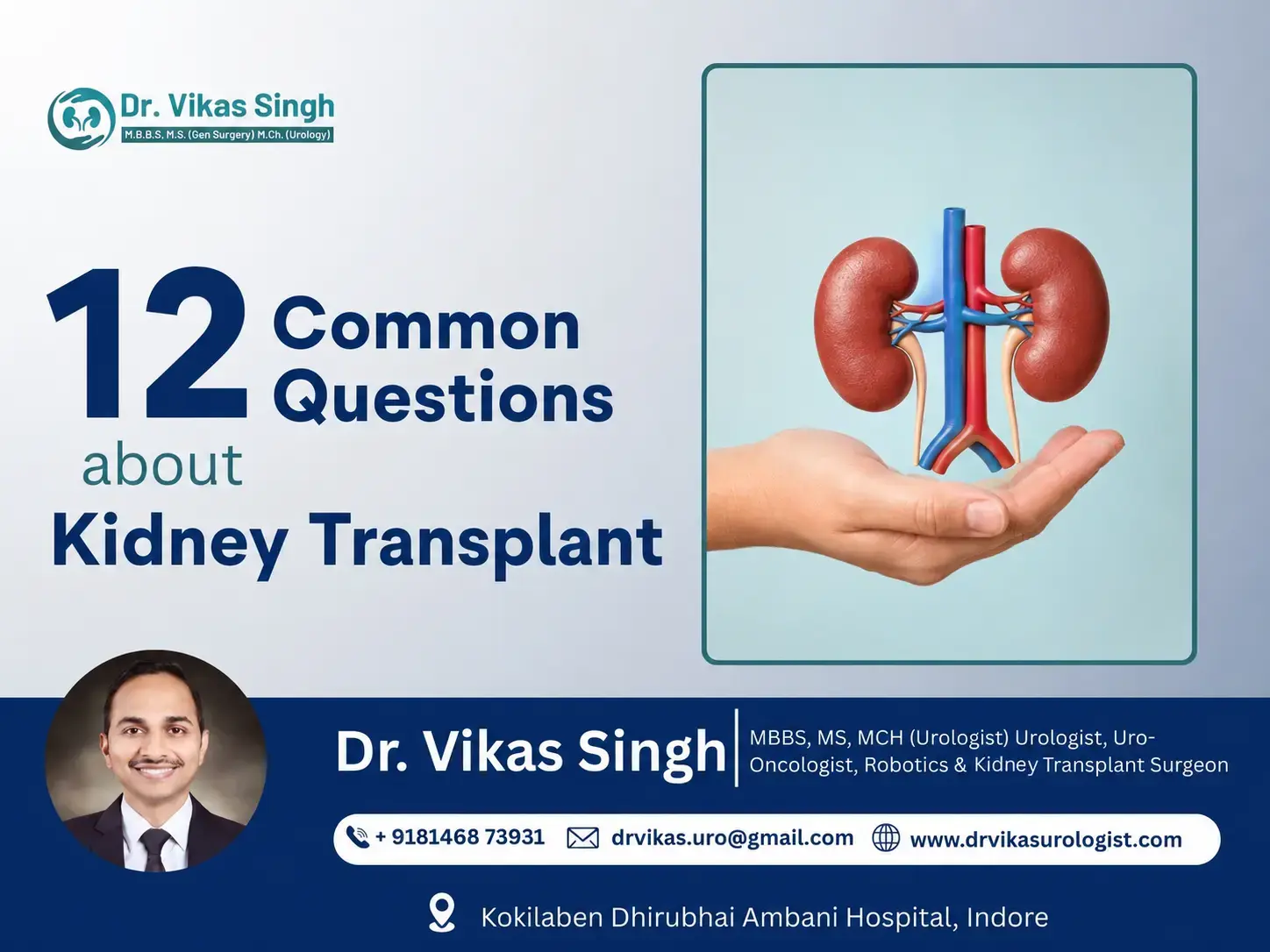
A kidney transplant can be a life-changing treatment for people with advanced kidney disease or kidney failure. However, patients and their families often have many concerns before undergoing the procedure. These Questions about Kidney Transplant usually revolve around eligibility, recovery, success rates, and life after surgery.
Understanding the answers to these questions can help reduce anxiety and prepare patients for the transplant journey. Modern kidney transplantation has excellent outcomes, and many people return to healthy, active lives after surgery.
If you or a loved one is considering a transplant, consulting a kidney transplant specialist indore can provide personalized guidance and help you make informed decisions.
What Is a Kidney Transplant?
A kidney transplant is a surgical procedure in which a healthy kidney from a donor is placed into a person whose kidneys are no longer functioning properly.
A transplant is usually recommended for patients with:
- End-stage kidney disease
- Chronic kidney failure
- Severe kidney damage that cannot be reversed
Compared to long-term dialysis, kidney transplantation often provides better quality of life and improved long-term health outcomes.
Why Understanding Questions About Kidney Transplant Is Important
A kidney transplant is a major medical decision. Patients often feel overwhelmed by information and uncertainty.
Learning the answers to common Questions about Kidney Transplant can help:
- Reduce fear and anxiety
- Prepare for surgery and recovery
- Improve treatment compliance
- Set realistic expectations
- Encourage early medical consultation
The more informed a patient is, the smoother the transplant journey becomes.
12 Common Questions About Kidney Transplant
1. Who Needs a Kidney Transplant?
A kidney transplant is usually recommended for individuals with advanced kidney failure whose kidneys can no longer remove waste and excess fluid effectively.
Common causes include:
- Chronic kidney disease
- Diabetes
- High blood pressure
- Genetic kidney disorders
- Polycystic kidney disease
A kidney transplant doctor indore can determine whether transplantation is the right treatment option.
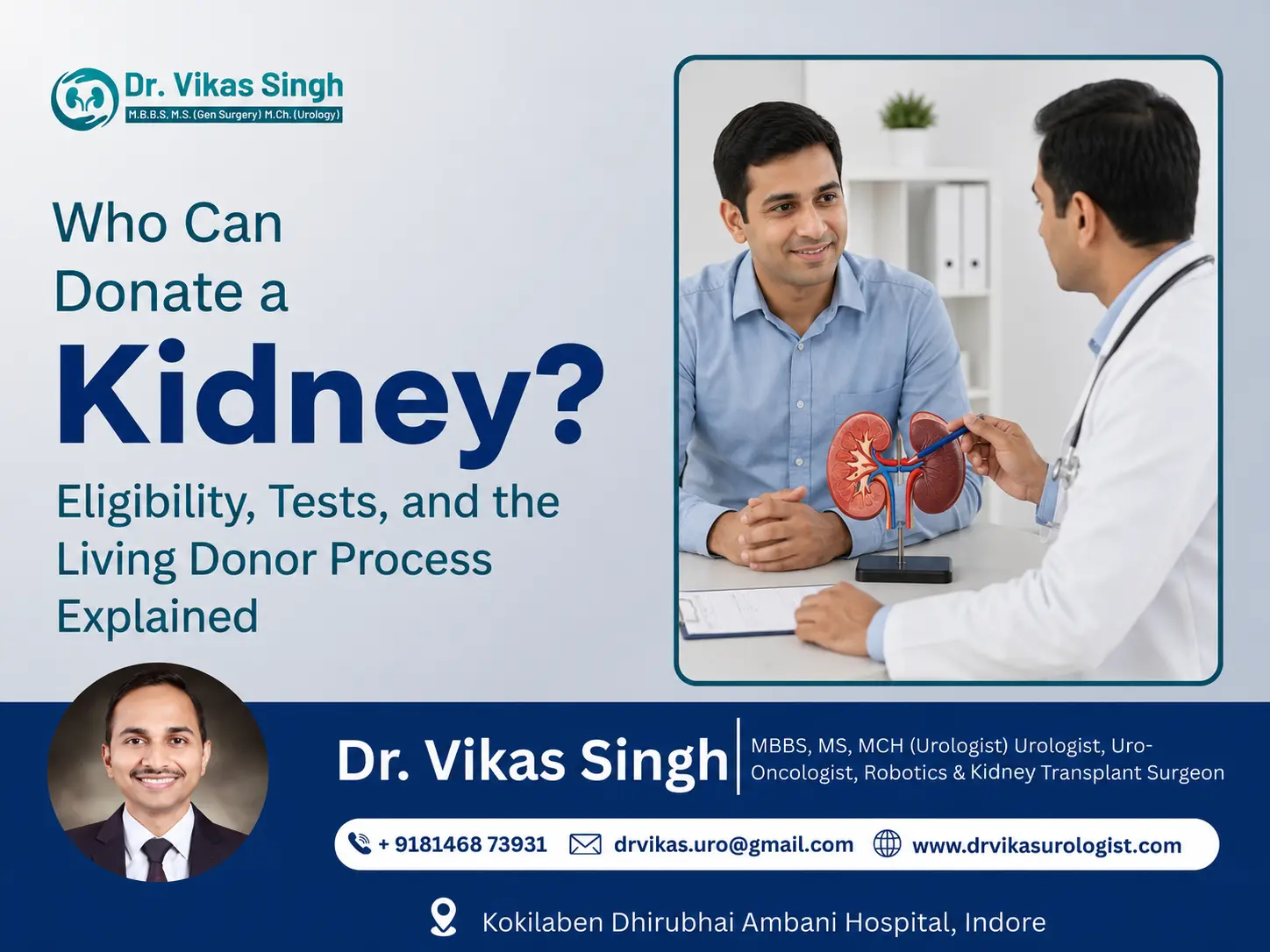
2. Who Can Donate a Kidney?
Kidneys can be donated by:
- Living related donors
- Living unrelated donors
- Deceased donors
A donor must undergo detailed medical evaluation to ensure donation is safe and appropriate.
3. Is Kidney Transplant Better Than Dialysis?
For many patients, yes.
A successful transplant often offers:
- Better quality of life
- Greater independence
- Improved energy levels
- Fewer dietary restrictions
- Longer life expectancy
However, each patient requires an individualized assessment.
4. How Long Does a Kidney Transplant Surgery Take?
The procedure generally takes several hours.
The exact duration depends on:
- Donor type
- Patient health condition
- Surgical complexity
A skilled kidney transplant surgeon indore can explain the procedure and expected timeline in detail.
5. How Long Does Recovery Take?
Most patients remain in the hospital for several days after surgery.
Recovery usually includes:
- Regular follow-up visits
- Medication adjustments
- Activity restrictions initially
Most patients gradually return to normal activities within a few months.
6. Will I Need Medications After the Transplant?
Yes.
Patients need lifelong medications called immunosuppressants to prevent the body from rejecting the new kidney.
Regular follow-up is essential to:
- Monitor kidney function
- Adjust medications
- Detect complications early
7. How Successful Are Kidney Transplants?
Modern kidney transplantation has excellent success rates.
Success depends on several factors:
- Overall health
- Donor compatibility
- Adherence to medications
- Regular medical follow-up
Many transplanted kidneys function successfully for many years.
8. Can the Body Reject the New Kidney?
Yes, rejection is possible.
However, modern medications have significantly reduced this risk.
Early signs of rejection may include:
- Fever
- Reduced urine output
- Swelling
- High blood pressure
Prompt treatment often controls rejection effectively.
9. Can I Live a Normal Life After a Kidney Transplant?
Yes.
Many people return to:
- Work
- Exercise
- Travel
- Family activities
A successful transplant often provides a better quality of life than long-term dialysis.
10. What Foods Should Be Avoided After a Kidney Transplant?
Diet recommendations may vary between patients.
Generally, patients are advised to:
- Avoid excessive salt
- Limit processed foods
- Follow food safety guidelines
- Maintain healthy hydration
Your transplant team will provide personalized nutritional guidance.
11. Can Women Have a Successful Pregnancy After a Kidney Transplant?
Many women have healthy pregnancies after transplantation.
However, pregnancy should be planned carefully and discussed with both the transplant and obstetric teams.
Regular monitoring is essential throughout pregnancy.
12. How Long Does a Transplanted Kidney Last?
A transplanted kidney can function for many years.
Longevity depends on:
- Donor type
- Medical follow-up
- Medication adherence
- Lifestyle habits
Regular care helps maximize the lifespan of the transplanted kidney.
Who Is Eligible for a Kidney Transplant?
Not everyone with kidney disease automatically qualifies for transplantation.
Eligibility depends on:
- Overall health
- Presence of serious infections
- Heart health
- Ability to tolerate surgery
- Commitment to long-term follow-up
A best kidney transplant doctor indore can evaluate each patient’s suitability individually.
Benefits of Kidney Transplant
A successful transplant offers numerous advantages.
Common benefits include:
- Better quality of life
- More energy
- Improved appetite
- Freedom from regular dialysis sessions
- Increased independence
- Improved long-term survival
For many patients, transplantation provides a new opportunity to enjoy daily life again.
Risks Associated With Kidney Transplant
Although kidney transplantation is highly successful, some risks exist.
Potential complications include:
- Infection
- Rejection
- Medication side effects
- Blood clots
- High blood pressure
Regular medical follow-up significantly reduces these risks.
Lifestyle Tips After Kidney Transplant
Healthy habits play an important role in protecting the new kidney.
Helpful lifestyle recommendations:
- Take medications exactly as prescribed
- Attend all follow-up appointments
- Stay physically active
- Maintain a healthy weight
- Avoid smoking
- Eat a balanced diet
Following medical advice can help preserve kidney function for many years.
Emotional Health After Transplant
Many patients experience emotional changes before and after surgery.
Common feelings include:
- Anxiety
- Excitement
- Fear of rejection
- Gratitude
Support from family, friends, and healthcare providers can make recovery easier.
Frequently Asked Questions
1. How long can someone live after a kidney transplant?
Many people live for decades after a successful kidney transplant, especially when they follow medical advice and attend regular checkups.
2. Is kidney transplant surgery painful?
Some discomfort is expected after surgery, but pain is usually well controlled with medications and improves gradually during recovery.
3. Can a person donate a kidney and still live normally?
Yes. Most kidney donors live completely normal, healthy lives with one kidney and can continue their usual activities after recovery.
Conclusion
These Questions about Kidney Transplant are common because transplantation is a major life decision for both patients and families. Fortunately, modern kidney transplant procedures are highly successful and offer many people a second chance at a healthier and more active life.
Understanding the process, knowing the benefits and risks, and following medical advice can significantly improve outcomes. The key to success lies in early evaluation, proper preparation, and long-term follow-up.
If you or a loved one is considering a kidney transplant, consult a best kidney transplant doctor indore, kidney transplant doctor indore, or kidney transplant specialist indore for expert guidance and personalized care.
Book Your Consultation Today
Dr. Vikas Singh provides comprehensive kidney transplant evaluation, advanced surgical care, and long-term transplant management. Schedule an appointment today and take the first step toward a healthier future.